
Rosemary's Baby
1968 psychological horror film directed by Roman Polanski, adapted from Ira Levin's novel. It follows a young wife in New York who becomes entangled in a sinister conspiracy surrounding her pregnancy.
Overview
Rosemary's Baby is a 1968 psychological horror film directed by Roman Polanski. Adapted from Ira Levin's novel, the story is set in New York City and centers on Rosemary Woodhouse, a young wife who becomes increasingly alarmed during her pregnancy. The picture blends domestic drama with supernatural suggestion, building suspense through atmosphere and ordinary urban detail rather than overt spectacle.
Image gallery
5 Images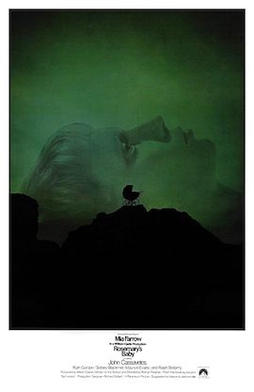




Plot and stylistic features
The film follows a domestic couple as they move into an old apartment building. Rosemary's experience of pregnancy—her hopes, anxieties and erosion of autonomy—forms the dramatic core. As strange neighbors and unexplained events accumulate, the narrative intimates that forces beyond the characters' control are at work, culminating in the revelation that the child's origin is linked to occult intent. References to the unborn baby and to supernatural agency such as the Devil are woven into a realist urban setting, which heightens the sense of intrusion into private life.
Production and adaptation
The screenplay transfers Levin's novel to the screen with a focus on psychological dread and meticulous mise-en-scène. Polanski's direction emphasizes close interiors and the claustrophobic corridors of the apartment building, using New York as a character that can feel both bustling and isolating. The film's score and editing support slow-building tension rather than jump scares, contributing to its reputation as an example of sophisticated, adult horror.
Themes and critical reception
Major themes include bodily autonomy, the vulnerability of pregnancy, urban alienation, and the dynamics of trust within marriage. On release the film was widely discussed for its unsettling subject matter and its ability to make the ordinary frightening; contemporary and later critics noted its influence on subsequent horror films that rely on psychological discomfort. For initial responses, see contemporary notices and retrospective assessments via critical archives.
Notable cast and legacy
- Mia Farrow as Rosemary Woodhouse, whose vulnerable, observant performance anchors the film.
- Ruth Gordon as a memorable neighbor, a role that drew significant attention from audiences and critics.
- Supporting players and ensemble work create the intimating social circle that surrounds the couple.
Rosemary's Baby remains a touchstone of late-1960s cinema: a film that fused contemporary anxieties with horror conventions and helped expand the genre's capacity for psychological and social commentary. Readers interested in production details, the original novel and performer biographies can consult dedicated resources and film studies collections for further study via the links above.
For more information on the film itself and related materials, see entries and archives identified here: film overview, detailed profiles, director background, and interviews or historical notes represented by location, source novel, pregnancy in fiction, occult motif, lead actor, supporting actor, and critical reception.
Related articles
Author
AlegsaOnline.com Rosemary's Baby Leandro Alegsa
URL: https://en.alegsaonline.com/art/84173