
John Barrymore: American stage and screen actor of the Barrymore dynasty
Concise encyclopedic overview of John Barrymore (1882–1942): life, theatrical and film career, major roles, family ties, personal struggles and lasting influence on American acting.
John Barrymore (born John Sidney Blyth, February 15, 1882 – May 29, 1942) was an American actor whose career spanned stage, silent cinema, sound film and radio. Celebrated in his day for a striking profile, a richly expressive voice and a flair for both tragic and comic parts, he became one of the most prominent dramatic performers of the early 20th century. His name is closely associated with a prominent American theatrical family that produced several generations of actors and shaped public ideas about stagecraft and film performance.
Image gallery
10 Images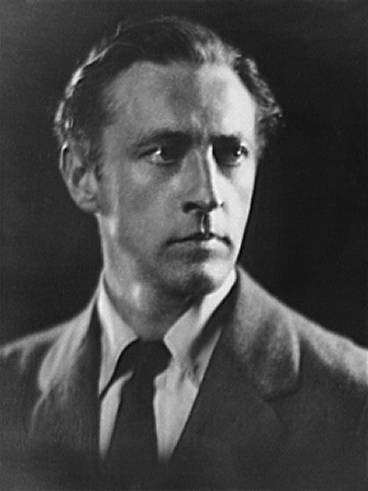


Family background and early life
Barrymore was born in Philadelphia, Pennsylvania, into a family long connected with the theatre. He adopted the Barrymore stage name and developed a public identity that both drew on and expanded the family reputation. His brother, the well-known actor Lionel Barrymore, won wide critical recognition during the same period, and later descendants include his granddaughter, actress Drew Barrymore. For a compact career overview and further context about his family, see general reference guides and theatrical histories.
Stage work and Shakespeare
Barrymore first established himself on the legitimate stage. He was noted for a commanding presence in both classical plays and contemporary dramas; his Shakespearean portrayals, especially his highly publicized performance as Hamlet, brought him lasting attention and made him a figure often discussed in commentaries on acting technique. Critics of the era frequently remarked on his ability to make declamatory verse feel theatrical and immediate, an approach that suited the tastes of early 20th‑century audiences.
Silent and sound films
Barrymore moved into motion pictures as the industry expanded, working in silent films and later adapting successfully to talking pictures. His screen roles ranged from romantic leads to comic character parts and darker dramatic turns. Notable films commonly cited in surveys of his work include Dr. Jekyll and Mr. Hyde (1920), Don Juan (1926), Grand Hotel (1932), Dinner at Eight (1933) and Twentieth Century (1934). Film historians note that his stage-honed projection and diction helped him during the transition to sound, even as the screen demanded more restrained acting techniques than the theatre. For discussions of his artistic range and screen legacy, consult specialized studies and archival film commentaries, which place his work within evolving studio and performance practices referenced in many biographies and reviews (further reading).
Public image, struggles and later years
Barrymore's public image combined admiration for his gifts with attention to personal excesses. Over time, alcohol-related problems and declining health affected his performances and public standing. Contemporary accounts and later biographical summaries attribute a marked decrease in consistency of his work to these difficulties, and his final years were punctuated by erratic appearances and diminishing professional opportunities. He was married several times and fathered three children. His known marriages included unions with Katherine Corri Harris, Blanche Oelrichs, Dolores Costello and Elaine Barrie; each marriage ended in divorce, and those relationships were often recorded in the press of the period. For information on his personal life and relationships, see biographical entries and period reporting (marriage and divorce records).
Death and cause
Barrymore died on May 29, 1942 in Los Angeles, California. Contemporary accounts and many later summaries record that his death followed prolonged health issues related to chronic liver disease, commonly reported as cirrhosis. Medical details in period obituaries and in subsequent biographies place his final illness in the context of long-term alcohol use and the stresses of a high-profile theatrical career.
Artistic legacy
John Barrymore is remembered for helping to shape American acting across two media: stage and screen. He is often cited in discussions of how performers adapted theatrical technique to the new possibilities of motion pictures, and for his role in popularizing a flamboyant, expressive style of stagecraft that was characteristic of the era. While his career ended amid personal difficulties, retrospective appraisals emphasize his influence on younger actors and the continuing interest in his most influential films and stage recordings. Scholarly work and museum or archive collections maintain materials related to his performances, correspondence and press coverage, which document both his achievements and the cultural environment in which he worked.
Selected notes and where to look next
- Surveys of early American film and theatre include discussions of Barrymore's transition from stage to screen and his most noted roles; see authoritative filmographies and theatre archives (career references).
- Family histories and genealogical summaries trace the Barrymore acting dynasty across generations and provide context for his siblings and descendants (Lionel Barrymore references, descendant profiles).
- Biographies and contemporary newspaper archives offer more detailed chronologies of his marriages and public life (marriage records).
- For studies of his film work and influence on screen acting, consult film history compendia and audiovisual archives (critical studies, Los Angeles film collections).
Readers seeking deeper research should consult specialized biographies, theatre programs, archived reviews and institutional collections that preserve playbills, scripts and film prints. These primary and secondary sources provide the fullest picture of Barrymore’s contribution to American theatre and cinema, and of the complex personal story that accompanied a public career lasting several decades (regional archives, state collections, medical and obituary summaries).
Related articles
Author
AlegsaOnline.com John Barrymore: American stage and screen actor of the Barrymore dynasty Leandro Alegsa
URL: https://en.alegsaonline.com/art/50547
Sources
- asp6new.alexanderstreet.com : North American Theatre Online: John Barrymore