
Robben Island: history, prison legacy, and cultural significance
Robben Island, off Cape Town in South Africa, is a historic island known for its long use as a penal site, its role in the anti-apartheid struggle and its current status as a museum and World Heritage site.
Overview
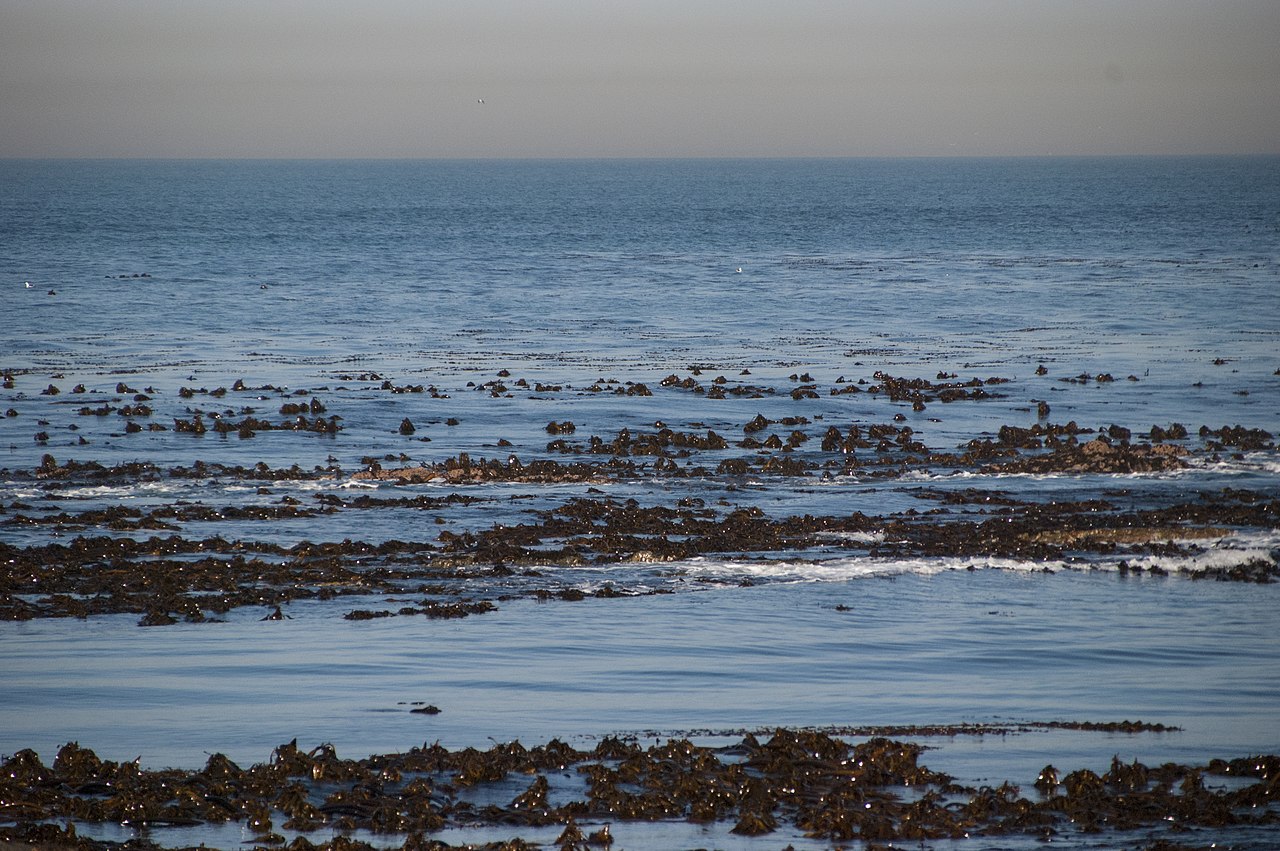
Robben Island is a low, windswept island in Table Bay off Cape Town, South Africa. Its exposed position and isolation have made it useful for many purposes over centuries: navigation aids, isolation of people and animals, and confinement.
Image gallery
10 Images




Origins and historical uses
The island's name derives from Dutch/Afrikaans words for seals and it was visited early by seafarers. Colonial and later governments used the site as a lighthouse station, a leper colony, an animal quarantine station and a military post. From the 17th century onward it also served as a place of punishment and exile.
Prison era and the anti-apartheid struggle
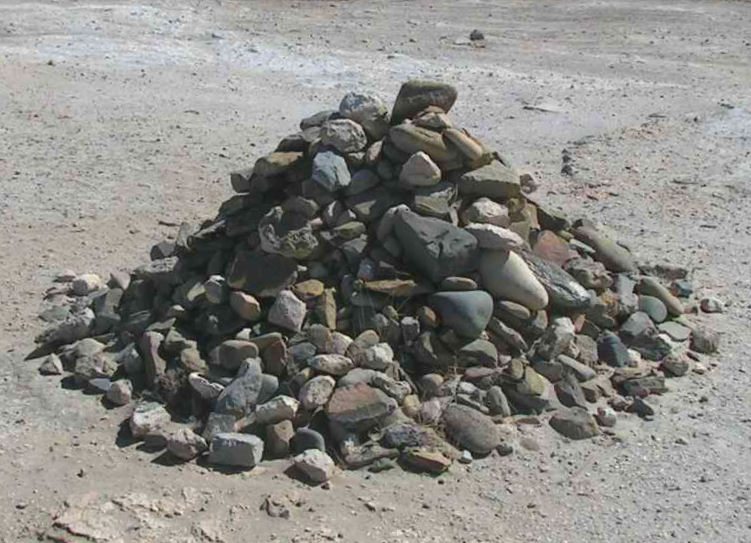
Robben Island became best known as a place of detention. Under successive administrations it functioned as a high-security prison where many opponents of the ruling order were held. Most famously Nelson Mandela spent many years there. Detainees included numerous political prisoners who endured hard labour in the island's limestone quarries and faced severe restrictions on movement and communication.
Conditions, community and resistance
Although prisoners experienced harsh treatment, the site was also a locus of political education and solidarity. Detainees exchanged ideas, taught one another and maintained cultural and legal study groups, activities that later helped shape the leadership of South Africa's transition.
After apartheid: museum, conservation and memory
Since the end of apartheid the island has been preserved as a place of memory and learning. It is managed as a museum and heritage landscape and was inscribed as a UNESCO World Heritage site. Visitors travel from the mainland to see prison cells, quarry ruins and interpretive exhibits that explain the island's layered past.
Notable facts and legacy
- Robben Island's isolation made it a practical site for containment and for maritime safety installations.
- It stands as an international symbol of resistance to racial oppression and a reminder of political imprisonment.
- The island's natural environment supports seabirds and marine life while its built remains document a difficult history.
- Tours and educational programs link the site to broader discussions about human rights, reconciliation and heritage conservation.
The story of Robben Island blends natural features, colonial and state practices of isolation, and the determined efforts of detainees whose experience helped transform a nation's politics. It remains both a physical place to visit and a powerful symbol in global conversations about justice and memory.
Related articles
Author
AlegsaOnline.com Robben Island: history, prison legacy, and cultural significance Leandro Alegsa
URL: https://en.alegsaonline.com/art/83248
Sources
- whc.unesco.org : "Robben Island"