
Roman Catholicism in Canada: history, organization, and cultural role
Overview of the Roman Catholic Church in Canada, its history from early settlement to modern institutions, organizational structure, social roles, and contemporary trends.
The Roman Catholic Church in Canada is the national presence of the worldwide Catholic communion within Canadian society. Historically one of the largest single Christian traditions in the country, it has shaped religious life, education, health care and public institutions across several provinces. For a general overview and resources, see the national Catholic body and affiliated organizations via Catholic Church in Canada.
Image gallery
10 Images
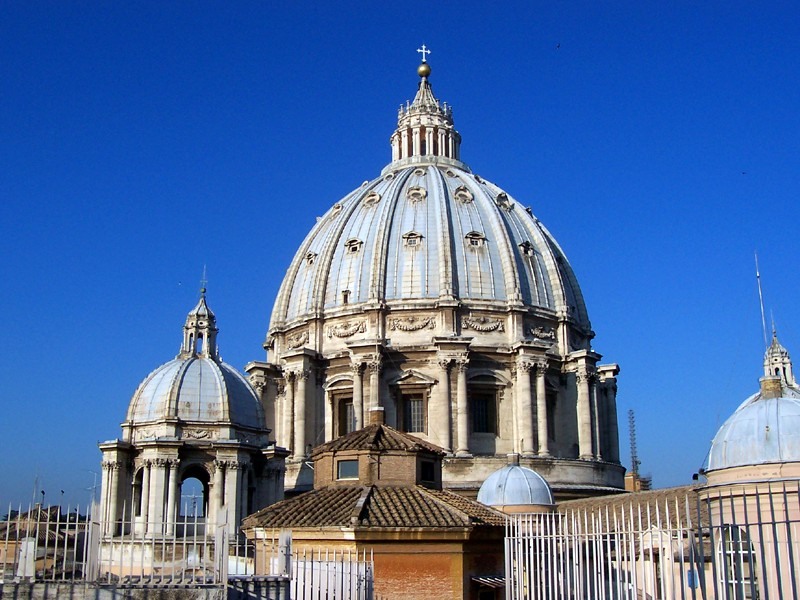


Organization and practice
The Church in Canada is organized into provinces, archdioceses and dioceses headed by bishops and archbishops, and is served at the parish level by priests and lay ministers. The oldest continuing episcopal see in what is now Canada is associated with Quebec City; the institutional evolution that began in the 17th century later became the Roman Catholic Archdiocese of Quebec. Most communities follow the Latin (Roman) rite, and services are celebrated in French, English and many immigrant and Indigenous languages depending on local congregations.
Historical development
Catholicism arrived with European settlers in the 17th century and became especially prominent in areas colonized by the French. Early structures included seminaries and missions; a seminary was founded in Quebec in the 1660s and the first formal diocese in the region was established by papal decree in the later 17th century. British Catholics were present as settlers in parts of Atlantic Canada from the early 1600s as well. Over the 18th and 19th centuries the single early diocese was subdivided repeatedly as colonial and later national populations grew and spread across the continent.
Social, cultural and institutional roles
The Catholic Church has been a major provider of social services in Canada. Through parish networks and religious orders it established and administered schools, hospitals and charitable agencies, and it played a formative role in shaping social policy and community life, particularly in francophone regions. Institutions founded by Catholic organizations continue to operate as hospitals, universities and community services.
- Education: numerous primary, secondary and post-secondary institutions with Catholic foundations.
- Health and social care: hospitals and charitable agencies historically affiliated with religious orders.
- Pastoral care: sacramental life, pastoral outreach and cultural celebrations across linguistic communities.
Challenges, controversies and contemporary trends
In recent decades the Church in Canada has experienced trends common to many Western countries: lower regular attendance, changing religious identification, and increasing diversity due to immigration. The Church has also been involved in public discussions and legal processes related to its historical administration of residential schools and relationships with Indigenous communities; many Catholic institutions and dioceses are participating in processes of reconciliation and public dialogue. At the same time, new immigrant communities and ongoing cultural ties maintain active Catholic congregations in many urban and rural areas.
Quebec City remains a symbolic and historical center of Catholicism in Canada; visitors and researchers can consult local historical sites and ecclesiastical resources for further study at Quebec City. For institutional information about the national church and its dioceses see the national and provincial directories and educational institutions linked through Catholic Church in Canada, or consultation with the Archdiocese of Quebec for archival and historical material.
Related articles
Author
AlegsaOnline.com Roman Catholicism in Canada: history, organization, and cultural role Leandro Alegsa
URL: https://en.alegsaonline.com/art/83846