
Romsey Abbey, Romsey (Hampshire)
Romsey Abbey is a large medieval former Benedictine nunnery church in Romsey, Hampshire, now a Church of England parish church notable for its architecture, history and community role.
Overview
Romsey Abbey stands at the heart of the market town of Romsey in Hampshire, England. It serves today as a parish church of the Church of England while retaining the scale and character of a medieval monastic church. After the suppression of the monastic community at the Dissolution, the building continued in use for parish worship and has remained an active religious and cultural centre.
Image gallery
9 Images





History and development
The church began as the principal church of a Benedictine (Benedictine) nunnery founded in the medieval period. Over centuries the fabric of the building was enlarged, repaired and adapted to changing liturgical needs. The national policy of the Dissolution transformed many religious houses into parish churches; Romsey is a clear example where monastic property was repurposed rather than demolished.
Architecture and notable features
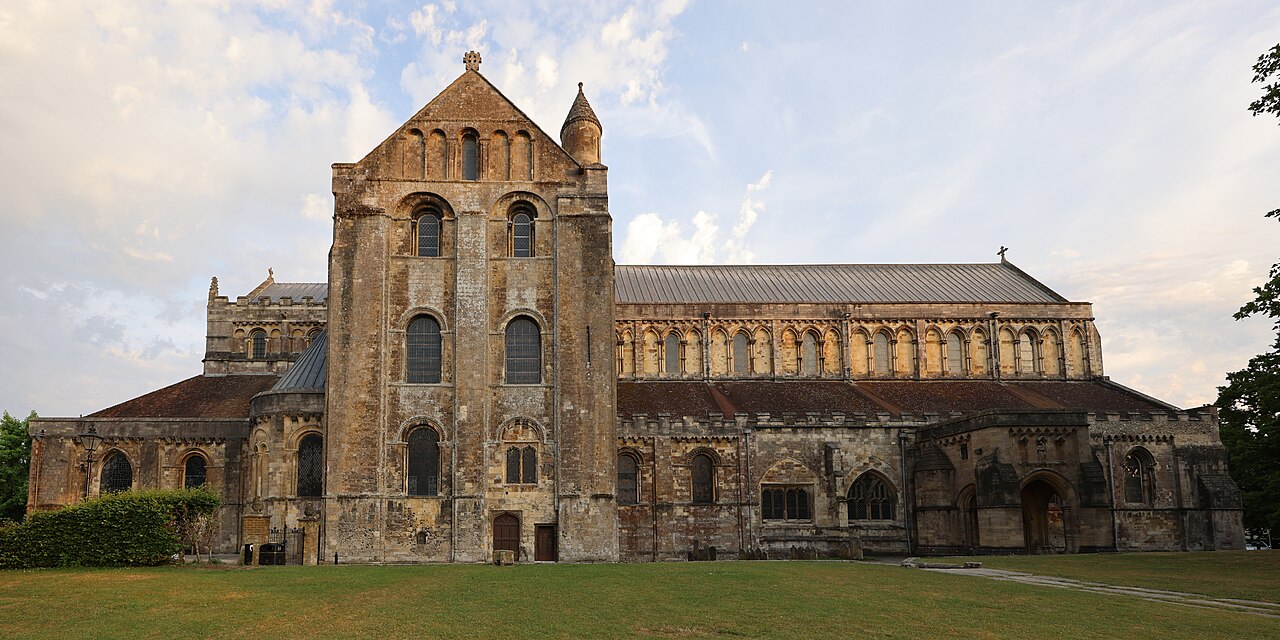
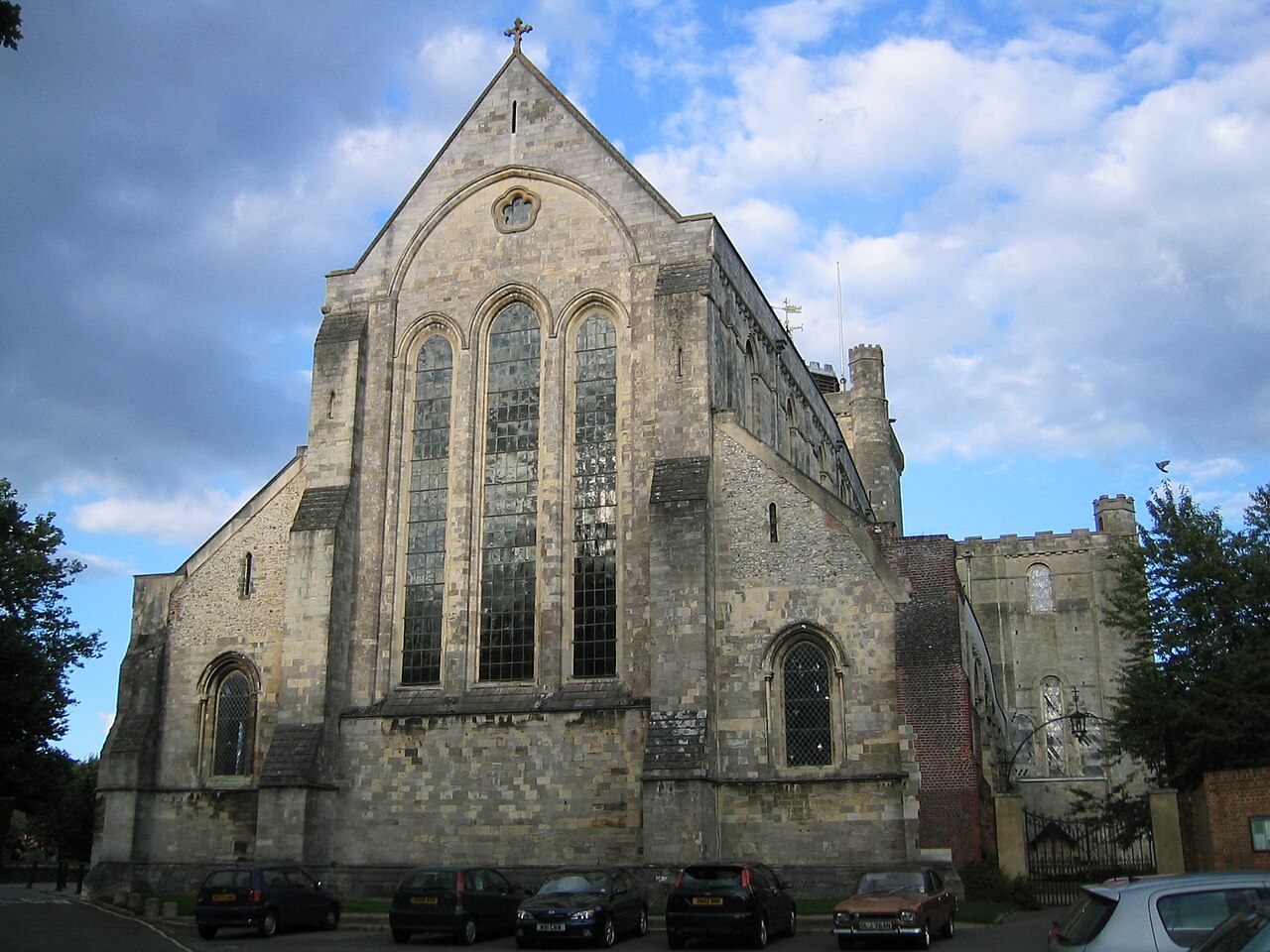
Romsey Abbey is distinguished by a large, essentially medieval structure with stone walls, buttresses and a substantial tower visible from the surrounding town. The church combines phases of construction and restoration reflecting Norman and later medieval craftsmanship: a spacious nave, aisles, transepts and a long chancel are among its principal elements. Interior details include carved stonework, memorials to local families and stained glass that illustrate the church’s long history.
Functions, music and community role
As a parish church it hosts regular worship, baptisms, weddings and funerals, and it is a venue for choral and organ music, civic ceremonies and community events. The abbey’s size and acoustics make it suitable for concerts and festivals, while guided visits and open days allow visitors to explore its historic fabric and learn about its past.
Importance and distinctions
Romsey Abbey is noted locally and regionally for being one of the largest parish churches in the historic county—an outcome of its monastic origins. It is often mentioned alongside other major ecclesiastical buildings such as Christchurch Priory, and it contributes to the architectural and cultural heritage of Hampshire.
Visitor information and conservation
- Visitors typically find interpretive displays and guided tours that explain the abbey’s monastic past and later adaptations.
- Conservation work has focused on preserving stonework, stained glass and historic fittings while accommodating modern needs for accessibility and community use.
- The church continues to balance active parish life with responsibilities as a heritage site, welcoming worshippers and visitors alike.
For more detailed historical and practical information, local parish resources and heritage groups provide schedules, research materials and event listings.
Related articles
Author
AlegsaOnline.com Romsey Abbey, Romsey (Hampshire) Leandro Alegsa
URL: https://en.alegsaonline.com/art/83947