
Roman Catholic Archdiocese of Quebec
Metropolitan Catholic jurisdiction based in Quebec City; founded as a vicariate in 1658, made a diocese in 1674 and elevated to an archdiocese in 1819. Seat: Notre-Dame de Québec.
The Roman Catholic Archdiocese of Quebec is a historic ecclesiastical territory centered on Quebec City. As one of the oldest Catholic jurisdictions in North America, it has served as a religious, cultural, and administrative center for French-speaking Catholics in the region. The archdiocese functions as a metropolitan see and continues to influence pastoral life, heritage conservation and public memory within the province.
Image gallery
4 Images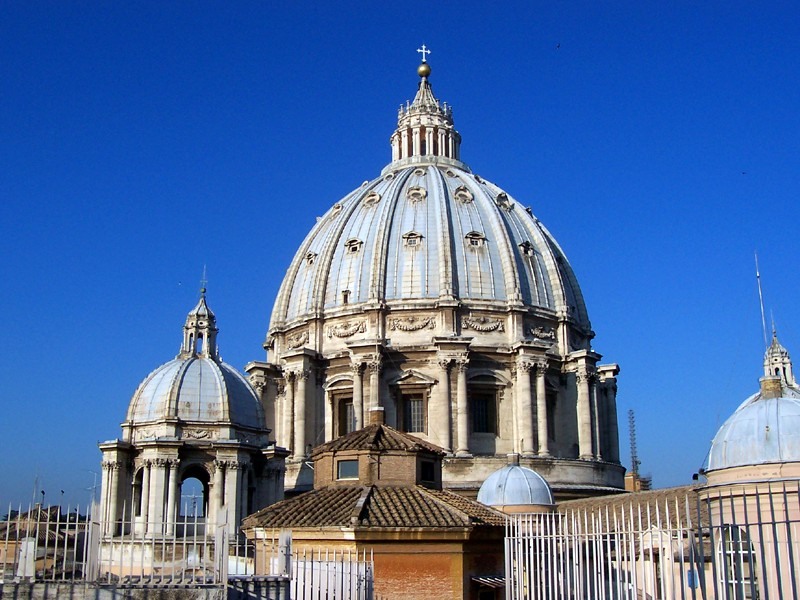


History and development
The community now organized as the Archdiocese of Quebec began as an apostolic vicariate in 1658. It was raised to the rank of a diocese in 1674, at which time its jurisdiction extended across much of what was then called New France. Over the 18th and 19th centuries the diocese gradually ceded territory as new dioceses were created to serve growing and dispersed Catholic populations. In 1819 the see was elevated to an archdiocese, becoming the metropolitan center for surrounding dioceses in the province.
Territory, structure and leadership
The archdiocese covers an area around Quebec City within the province of Quebec, Canada. It is the metropolitan for several suffragan dioceses, and its administrative responsibilities include coordinating regional pastoral work, supporting parish life and overseeing seminarian formation. Current leadership reflects modern pastoral priorities; the archbishop appointed in 2011 provides both liturgical and administrative direction for the local church.
- Suffragan dioceses: Chicoutimi, Sainte-Anne-de-la-Pocatière, Trois-Rivières
- Cathedral: Basilique-cathédrale Notre-Dame de Québec (the archbishop's seat)
The cathedral in Quebec City is one of the oldest cathedral churches in North America and functions as the liturgical heart of the archdiocese. Its buildings and adjacent religious sites are important elements of the region's architectural and cultural heritage, attracting both worshippers and visitors interested in history.
Role and notable aspects
Historically the archdiocese played a major role in education, health care and social services through religious congregations and parish networks. Over time the public role of the Church has evolved as society has secularized, but the archdiocese remains a key institution for sacramental ministry, pastoral outreach, preservation of religious art and architecture, and engagement in ethical and social debates in Quebec.
For further context about the geographic and historical terms used here, consult resources linked to local and national histories or ecclesiastical references: Quebec, Canada, New France.
Related articles
Author
AlegsaOnline.com Roman Catholic Archdiocese of Quebec Leandro Alegsa
URL: https://en.alegsaonline.com/art/83844