
Rio Grande do Norte (Brazilian state)
Rio Grande do Norte is a northeastern Brazilian state known for its coastline, dunes, wind energy, salt and fruit production, colonial history, and the cities of Natal and Mossoró.
Overview
Rio Grande do Norte is a state in the northeastern region of Brazil and one of the country's 26 federative units. Its long Atlantic coastline gives it a distinct maritime character: sandy beaches, coastal dunes and lagoons are central to its identity. The state capital, Natal, is the largest city and a focal point for tourism, commerce and transport.
Image gallery
8 Images


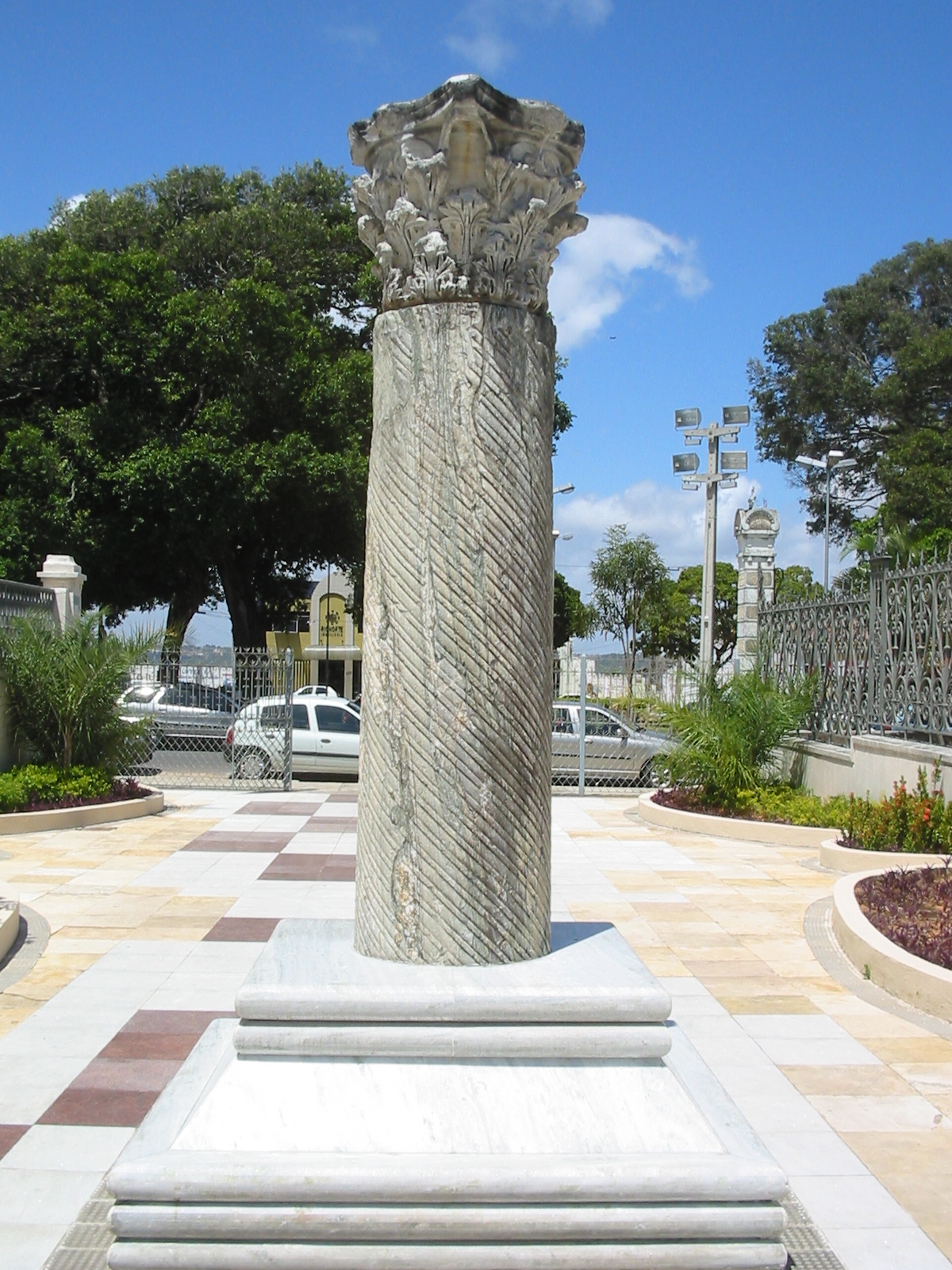
Geography and environment
The state combines a narrow coastal plain with interior highlands and semi-arid zones. Vegetation ranges from coastal mangroves and dunes to patches of Atlantic Forest and the drier Caatinga biome inland. Natural features include extensive beaches, wind-sculpted dunes, salt flats and small lagoons that attract visitors and support local fisheries.
History and culture
Before European arrival the region was inhabited by Indigenous groups such as the Potiguara. Portuguese colonization established coastal settlements, and the area experienced European conflicts in the colonial era, including periods of Dutch presence in the 17th century. Cultural life blends Indigenous, African and Portuguese influences, visible in cuisine, religious festivals and popular music. Natal and other towns celebrate traditional June festivals (Festas Juninas) and Carnival activities.
Economy and uses
The economy relies on tourism, agriculture and energy. Coastal resorts and natural dunes draw domestic and international tourists. Agriculturally, the state produces fruits, cashews and other tropical crops suited to local conditions. Salt extraction from coastal flats and oil and gas activity offshore are important; in recent decades the state has also become notable for wind energy generation, thanks to consistent coastal winds.
Cities and transport
Major urban centers include Natal and Mossoró, which serve as hubs for commerce, services and industry. Natal's airport and port facilities historically made the city an important staging point for transatlantic air and sea routes. Local infrastructure supports tourism circuits to well-known beaches and dune systems.
Notable facts and distinctions
- The state is widely recognized for its scenic dunes and long beaches, which are major tourism assets.
- It is a significant producer of salt and an emerging leader in wind power within Brazil.
- Its coastal position on the eastern edge of the South American continent gives it a strategic maritime and historical role.
For administrative context, Rio Grande do Norte is one of Brazil's states; more information about the country's federal structure is available here. For geographic context on the continent, see South America.
Related articles
Author
AlegsaOnline.com Rio Grande do Norte (Brazilian state) Leandro Alegsa
URL: https://en.alegsaonline.com/art/83000
Sources
- ibge.gov.br : ibge.gov.br/