
Richard Francis Burton: explorer, translator and cultural observer
19th-century British traveller, linguist and writer known for wide-ranging explorations, secret pilgrimage to Mecca, and influential translations of Arabic and other texts.
Summary
Richard Francis Burton (1821–1890) was a British officer, explorer, linguist, ethnologist and prolific writer. He gained wide attention for long and often dangerous journeys in Asia, Africa and the Americas, for translations that introduced many Western readers to non‑European literature, and for accounts of cultures and customs that challenged Victorian assumptions.
Image gallery
10 Images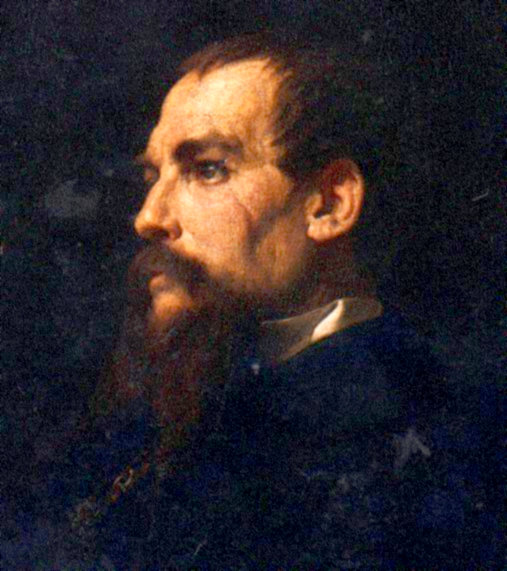
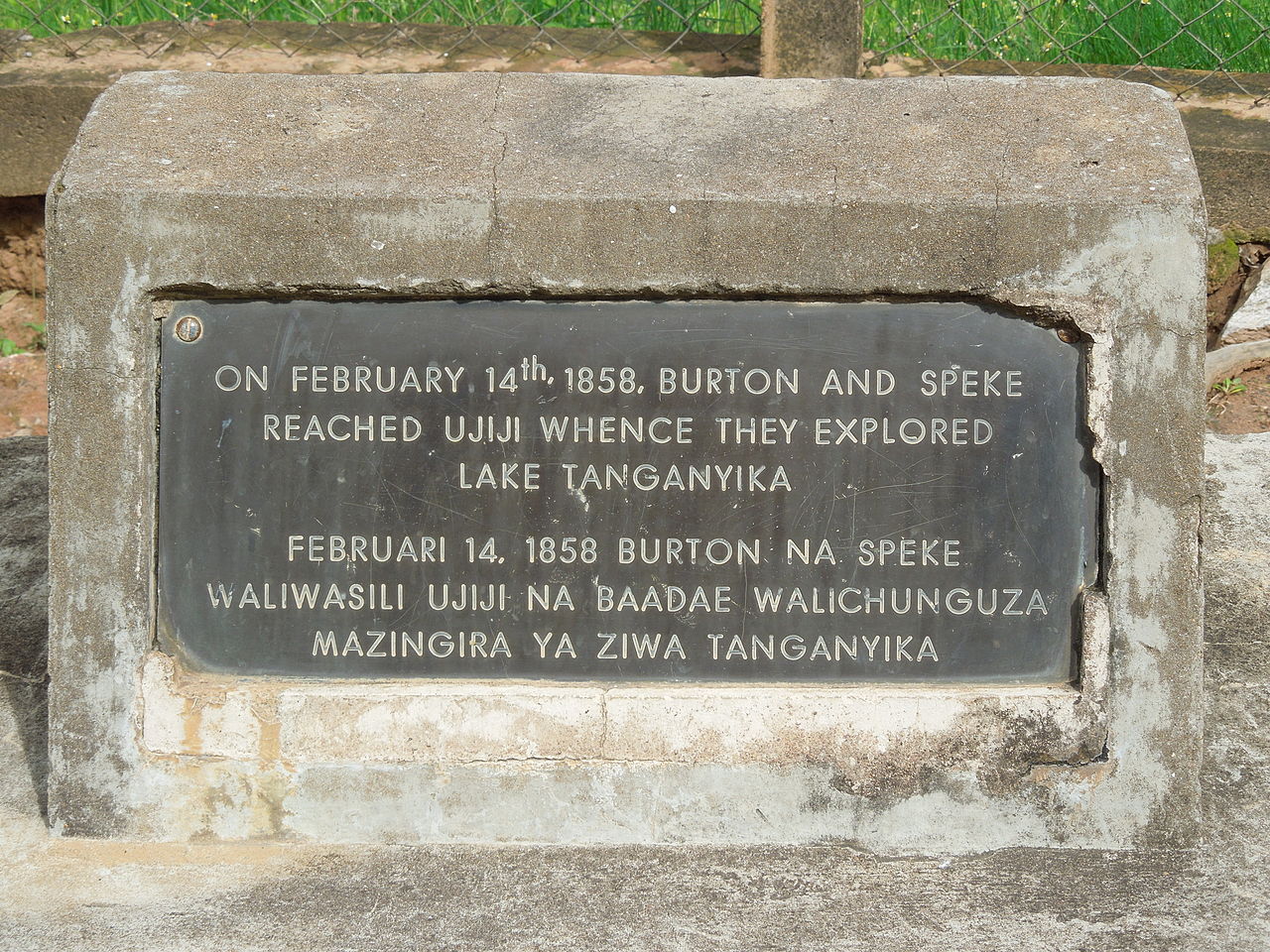
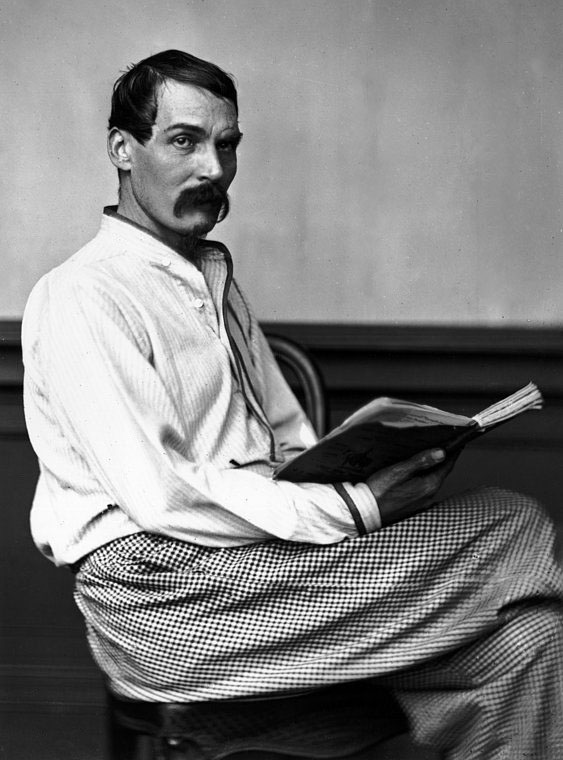


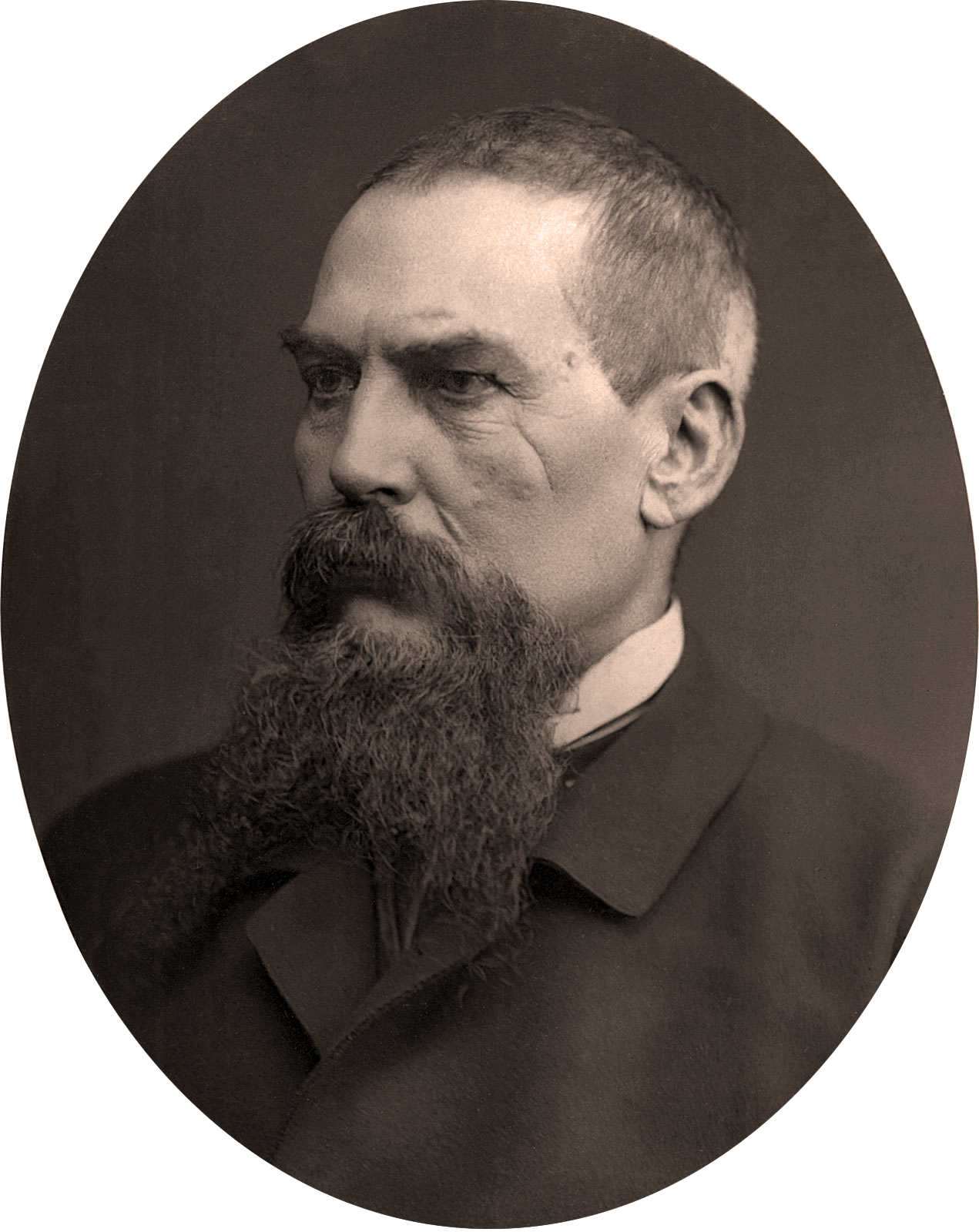
Early life and career
Born in 1821 in England, Burton entered military service and spent many early years in south Asia, where he became fluent in several languages and absorbed local customs. He served in colonial postings and combined official duties with private exploration. His training and temperament led him to a hands‑on approach to travel: he learned local tongues, lived amid the peoples he studied and often adopted local dress and practices to gain access that other Europeans could not.
Languages, methods and writing
Burton prided himself on linguistic skill and is widely reported to have known many languages and dialects; contemporary accounts commonly say he spoke two dozen or more, a claim he and his supporters sometimes emphasised. His publications mixed travel narrative, detailed description of local rites and customs, and comparative observations. He practised what later scholars would call participant observation, though his interpretations were shaped by the assumptions and limits of his time.
Pilgrimage to Mecca and clandestine travel
One of Burton’s most famous feats was his covert journey to the Islamic holy city of Mecca during the Hajj, undertaken while posing as a Muslim pilgrim. At that time the pilgrimage was largely closed to non‑Muslims; his account, published after his return, was read with fascination and scepticism in Europe. His ability to pass as a local and to document rites from the inside made this episode a central part of his reputation.
Major translations and publications
Burton produced numerous translations and editions that brought works of the Middle East and South Asia to English readers. His English rendering of the Arabic collection commonly called One Thousand and One Nights was notable for its scholarship and for attempting to preserve aspects of the original that Victorian readers often found exotic. He also worked on texts in Persian, Sanskrit and other languages and published travel narratives such as accounts of East Africa and other regions.
Controversies and reception
Many of Burton’s writings provoked controversy. He published material on sexuality, folk beliefs and religious practices that clashed with Victorian morals and attracted censorship and criticism. He sometimes argued with contemporary explorers and officials over precedence, interpretation and credit for discoveries. Late in life he received honours from learned societies and a knighthood, but debate over his methods and attitudes continued among contemporaries and later scholars.
Legacy
Burton’s influence is visible in travel writing, comparative anthropology and the popular reception of non‑European literatures. His translations widened access to Arabic and South Asian texts and stimulated discussion about translation practice, fidelity and censorship. Modern scholars typically praise his descriptive detail while also reappraising his interpretations from postcolonial and critical perspectives.
Further notes and resources
- For biographical sketches and collections of his letters and narratives consult standard library and academic resources; his life touches biography, imperial history and the history of scholarship.
- Readers interested in specific aspects of his work can find editions and critical studies addressing his translation of Arabic texts, his African travels and his ethnographic observations.
- Online and print resources range from scholarly biographies to digitised editions of his travel narratives and translations; for general reference see library catalogues and specialised studies.
Throughout his career Burton operated at the intersection of exploration, diplomacy and scholarship: he was an adventurous field worker, an ambitious translator of texts from languages including Arabic, and a controversial public figure whose accomplishments and attitudes continue to attract attention. He moved within a world of empire in which access and authority were contested, and his writings remain a complex source for historians of the 19th century and students of cultural contact. He was often described in European accounts as a Western and nominally Christian traveller who adopted local identities when necessary.
Related articles
Author
AlegsaOnline.com Richard Francis Burton: explorer, translator and cultural observer Leandro Alegsa
URL: https://en.alegsaonline.com/art/82664