
Richard G. Hewlett (1923–2015)
American public historian who served as the first official Chief Historian of the U.S. Atomic Energy Commission and produced the Commission's authoritative multi-volume history.
Overview
Richard Greening Hewlett (February 12, 1923 – September 1, 2015) was an American public historian noted for creating the official historical record of the United States Atomic Energy Commission. As the AEC's first formally appointed Chief Historian, he organized documentary research programs and produced a sustained, scholarly account of early U.S. nuclear development that has been widely used by scholars, policymakers, and the public.
Image gallery
1 Image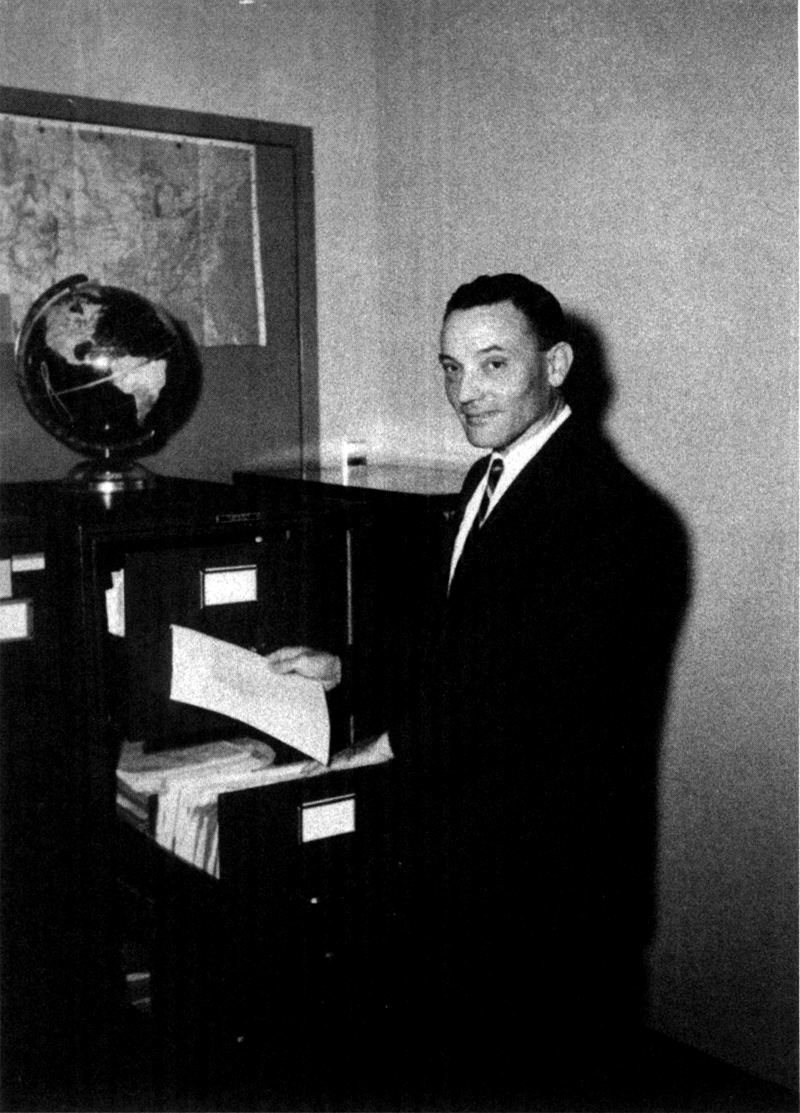
Early life and military service
Hewlett was born in Toledo, Ohio, United States, on February 12, 1923. After the attack on Pearl Harbor, he joined the United States Army Air Corps during World War II. His wartime service exposed him to military institutions and technical programs that later shaped his interest in documenting government science and technology.
Career at the Atomic Energy Commission
Hewlett's professional reputation rests primarily on his work with the United States Atomic Energy Commission (AEC). Appointed as the agency's first official historian, he assembled archival collections, guided declassification and access to records where possible, and produced a systematic, multi-volume history that treated organizational change, policy decisions, and scientific developments in a single narrative framework. Colleagues and readers have credited him with bringing professional historical methods into a government setting.
Work and methodology
Hewlett combined documentary research, interviews, and analysis of declassified material to construct his histories. His approach emphasized institutional continuity and the relationship between civilian and military applications of nuclear science. While focused on the AEC, his work also illuminated broader questions about government research management, secrecy, and the public role of science in the mid-20th century.
Significance and legacy
- Established a model for government-sponsored historical scholarship and official histories.
- Provided an accessible, well-documented account of early U.S. nuclear policy for historians and policymakers.
- Helped set standards for preserving agency records and supporting scholarly access to them.
Later life and recognition
Hewlett continued to be consulted by researchers and institutions interested in nuclear history and the practice of public history. He authored and edited the AEC's historical volumes and related studies that remain reference points for the field. Richard G. Hewlett died on September 1, 2015, at the age of 92. Obituaries and professional memorials acknowledge his central role in documenting one of the most consequential chapters of American science and public policy. For further reading and archival guides see selected resources and institutional collections (primary resource, professional profile, regional connection, biographical data, military background, historical context, agency materials).
Related articles
Author
AlegsaOnline.com Richard G. Hewlett (1923–2015) Leandro Alegsa
URL: https://en.alegsaonline.com/art/82667
Sources
- blog.nuclearsecrecy.com : "In Memoriam: Richard G. Hewlett (1923-2015)"