
Riccardo Drigo — Italian composer and conductor associated with the Mariinsky
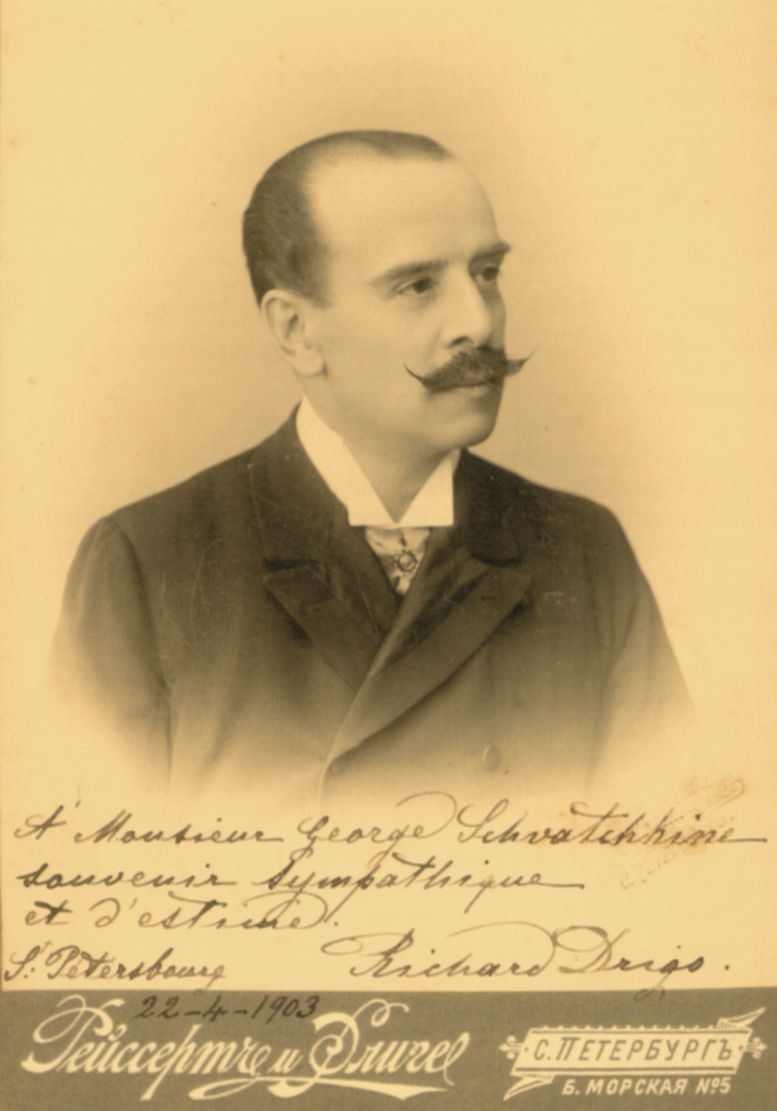
Italian composer Riccardo Drigo (1846–1930) was a pianist, conductor and prolific writer of ballet music, best known for his long service as kapellmeister and Director of Music at the Mariinsky Theatre in St. Petersburg.
Overview
Riccardo Eugenio Drigo (30 June 1846 – 1 October 1930) was an Italian composer, conductor and pianist whose career is chiefly remembered for its long association with Russian ballet. He wrote original score material and small-scale dances for theatrical productions, and he prepared arrangements and revisions for many revivals. In addition to composing, Drigo worked as a conductor and musical director at one of the leading imperial stages of his time. He is most often described as a leading figure in the production of late 19th- and early 20th-century ballet.
Drigo’s principal professional identities included roles as a composer of ballet and opera, and as a celebrated pianist. He served for many years as kapellmeister and Director of Music of the Mariinsky Ballet in St. Petersburg, where his work became closely linked with the choreography of leading residents of that theatre such as Marius Petipa and Lev Ivanov.
Image gallery
6 Images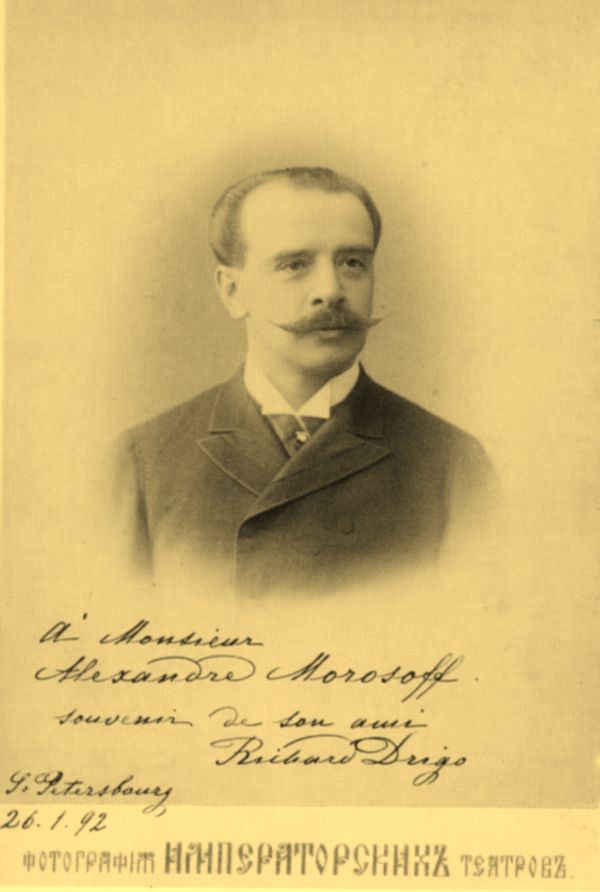




Musical style and contributions
Drigo’s music is noted for its clear sense of danceable rhythm, elegant melody and practical orchestration suited to stage demands. Rather than producing large symphonic scores, he excelled in writing short divertissements, variations and character dances that fit into extensive balletic productions. His ability to craft music that matched choreographic needs and theatrical pacing made him a valued collaborator for ballet masters who needed reliable musical material for new works or restagings.
Career at the Mariinsky and collaborations
During his tenure at the Mariinsky Theatre Drigo conducted premieres and countless performances of ballets and Italian operas mounted at the imperial stage. He prepared new musical arrangements, supervised orchestral playing, and supplied additions when productions required fresh numbers or altered tempi. He also acted as Chef d’orchestre for Italian opera performances with the Mariinsky Theatre orchestra, so his influence extended across both dance and operatic repertory.
Reputation and legacy
Contemporary observers admired Drigo’s finesse as a theatrical conductor and his skill in bringing theatrical scores to life. Critics and colleagues regarded him as one of the most reliable musical leaders on the European stage of his era. While not as widely known today as some of his composer-contemporaries, his contributions survive in the repertory of classical ballet through familiar divertissements and orchestrations that continue to be performed in revived productions.
Notable aspects and context
- Practical craftsmanship: he often wrote short, tailored pieces that met the exact needs of choreographers and stage directors.
- Collaborative role: worked closely with choreographers to ensure synchronization of music and movement.
- Dual function: combined duties as composer, arranger and principal conductor, a common model for theatre music directors of his time.
Drigo’s career highlights the importance of adaptable, theatrical composition in the development of late Imperial Russian ballet. His work exemplifies the specialised skill set required to support grand choreography and large-scale theatrical production, and he remains an instructive example of a composer whose craft was deeply integrated with the practical demands of dance and opera staging.
Related articles
Author
AlegsaOnline.com Riccardo Drigo — Italian composer and conductor associated with the Mariinsky Leandro Alegsa
URL: https://en.alegsaonline.com/art/82614