
Richard Adams (1920–2016): English novelist and author of Watership Down
Richard Adams was an English novelist best known for Watership Down. A WWII veteran and civil servant who became a full‑time writer, he created animal-centred myths and won major children's literature prizes.
Overview
Richard George Adams (9 May 1920 – 24 December 2016) was an English novelist whose storytelling reached both children and adult readers. He is best known for Watership Down, a tale of wild rabbits that began as a bedtime story for his daughters and grew into a modern classic. Adams combined keen observation of nature with invented myth, language and social conflict to explore themes of survival, leadership and community.
Image gallery
2 Images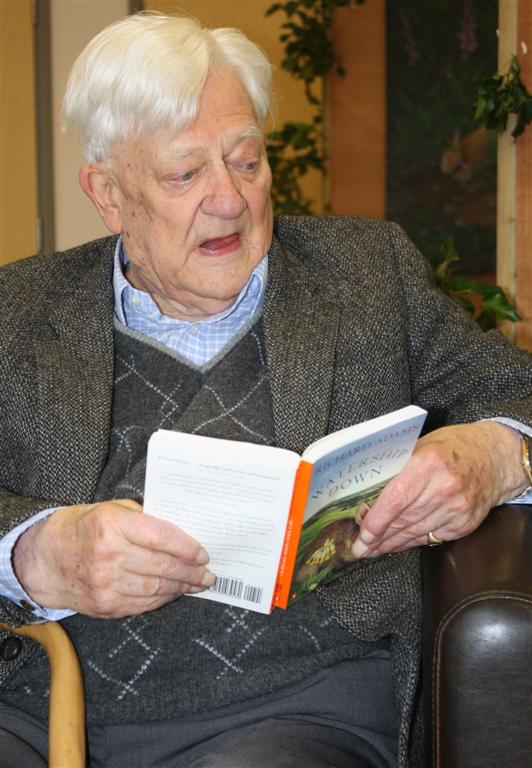

Life and career
Adams served in the British Army during World War II, an experience that marked the generation from which he drew much of his later work's stoicism and moral questioning. After the war he entered the British Civil Service, working in administrative roles while writing in his spare time. His breakthrough came when Watership Down was published; two years after its success he left the civil service to write full time. In recognition of his literary contribution he was elected a Fellow of the Royal Society of Literature in 1975.
Major works and themes
Adams wrote both animal-centred novels and stories set among humans. Major titles include:
- Watership Down — a fable-like adventure that blends natural history, invented language (the Lapine tongue) and folklore to tell of a group of rabbits seeking a new home.
- Shardik — a novel that explores religion, power and guilt through the story of a lost godlike bear and its human followers.
- The Plague Dogs — a darker animal fable addressing science, ethics and public fear about escaped research animals.
- The Girl in a Swing and later short fiction and collections that show his range beyond animal allegory.
Across these works Adams often balanced humane sympathy for animals with philosophical questions about leadership, exile and the responsibilities of communities. His prose mixes deceptively simple narration with moments of formal invention, such as songs, proverbs and the Lapine lexicon in Watership Down.
Adaptations, reception and legacy
Watership Down achieved wide popular and critical success, winning major children's literature awards and inspiring adaptations in film and television. A feature animation in the late 1970s and later television versions introduced the story to new audiences and kept it in the public eye. Adams's books have been translated into many languages and remain in print; they are frequently cited for their influence on animal stories, nature writing and the use of myth and constructed language in fiction.
Notable facts
- He won both the Carnegie Medal and the Guardian Children's Fiction Prize for Watership Down, distinguishing him among children's authors.
- His background in wartime service and civil administration informed a disciplined approach to research and structure in his novels.
- Adams spent his later years in England and died in Oxford on 24 December 2016 from complications related to a blood disorder; he was 96.
Richard Adams remains remembered for bringing the natural world and human moral dilemmas into close conversation, crafting stories that are accessible to young readers yet layered enough to engage adults. His inventive use of language and fable continues to be taught, adapted and discussed in studies of modern children's and speculative fiction.
Related articles
Author
AlegsaOnline.com Richard Adams (1920–2016): English novelist and author of Watership Down Leandro Alegsa
URL: https://en.alegsaonline.com/art/82630
Sources
- independent.co.uk : "Richard Adams: Forever animated by the life of animals"
- rslit.org : "Current RSL Fellows"
- washingtonpost.com : "Richard Adams, best-selling British author of 'Watership Down,' dies at 96"