
Mariinsky Theatre (Saint Petersburg)
Historic Russian opera and ballet theatre in Saint Petersburg, founded 1860. Home to the Mariinsky Ballet, Opera and Orchestra; noted for 19th‑century premieres, a major Soviet-era identity as the Kirov, and modern expansion.
Overview
The Mariinsky Theatre is a renowned company and historic performing arts complex in Saint Petersburg, Russia. Founded in the mid-19th century, the Mariinsky became the principal stage for Russian opera and ballet. It remains one of the country's leading institutions, combining a permanent orchestra, opera company and ballet company under one artistic roof.
Image gallery
9 Images



Companies, stages and facilities
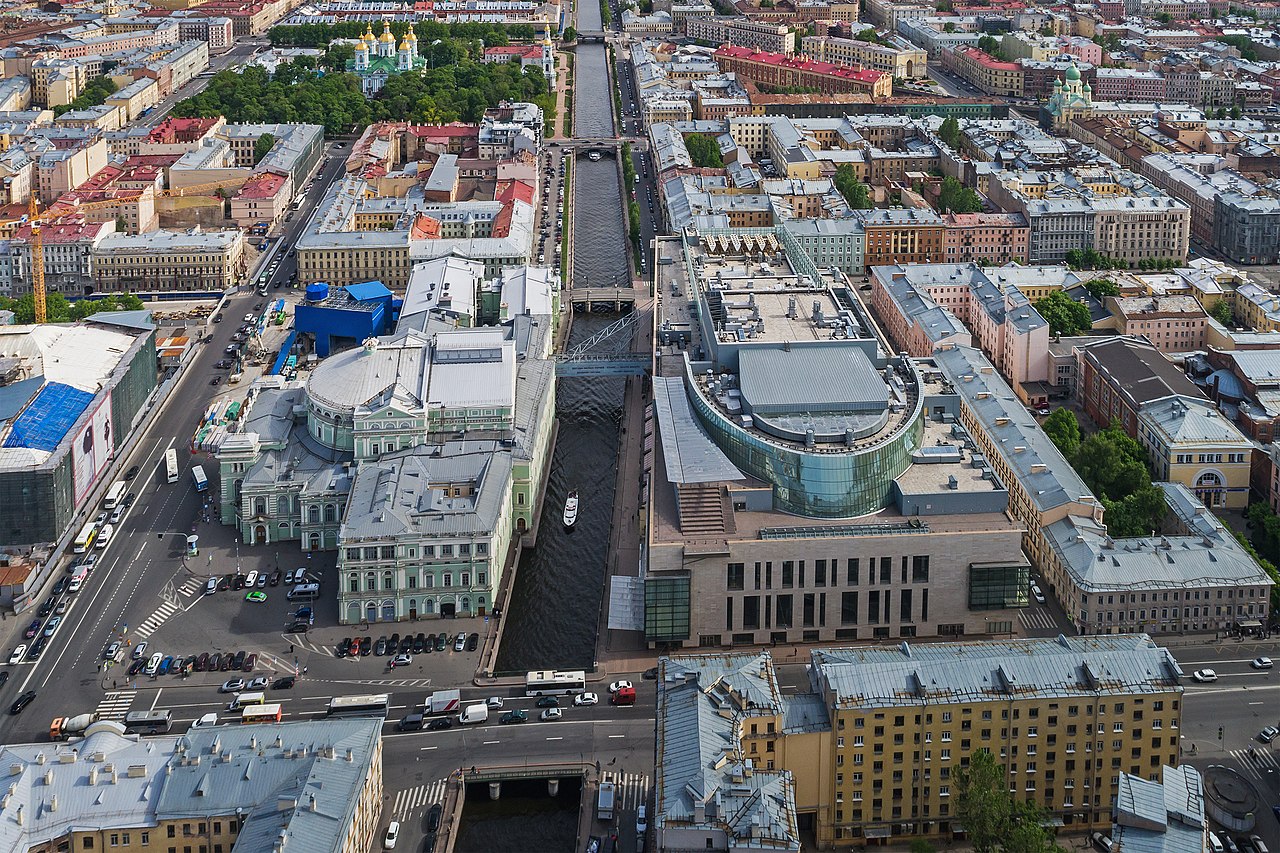
The institution supports three main resident ensembles: a symphony and opera orchestra, a ballet company often called the Mariinsky Ballet, and a dramatic opera troupe. The theatre complex now includes the historic 19th‑century auditorium and a modern additional stage completed in the 21st century. Together these venues allow simultaneous productions, rehearsals and touring preparations.
History and development
Opened in 1860 and named for Empress Maria, the theatre quickly established itself as the Empire’s principal stage for large-scale musical drama and ballet. During the Soviet period it was widely known as the Kirov Theatre, and its ballet company was internationally renowned as the Kirov Ballet. Across its history the house premiered and championed many important 19th- and early 20th-century Russian works by composers such as Tchaikovsky, Mussorgsky and Rimsky-Korsakov.
Repertoire, training and influence
The Mariinsky maintains a broad repertory that ranges from classic 19th-century ballets and operas to contemporary creations and revivals. Its ballet tradition is supported by strong links with leading Russian training institutions, and generations of dancers and conductors who trained or rose to prominence with the company have gone on to international careers. The theatre regularly tours abroad and collaborates with other major houses.
Notable facts and leadership
- The theatre has been associated with major artistic figures in Russian music and dance; it was pivotal in shaping the national operatic and choreographic canons.
- In recent decades the company’s artistic life has been shaped by a long-serving director and conductor, Valery Gergiev, who helped expand its international profile and oversee new stages and recordings.
- Its contemporary expansion, often referred to as the second stage or Mariinsky II, increased seating and technical capabilities while preserving the historic main auditorium.
Further reading and resources
For more on the Mariinsky’s repertoire and current season see resources on opera and ballet, or consult institutional materials from cultural organisations in Saint Petersburg and across Russia. Archival recordings and historical studies document its central role in Russian performing arts.
Questions and answers
Q: What is the Mariinsky Theatre?
A: The Mariinsky Theatre is a famous theatre of opera and ballet in Saint Petersburg, Russia.
Q: When was the Mariinsky Theatre opened?
A: The Mariinsky Theatre was opened in 1860.
Q: What did the Mariinsky Theatre become soon after it opened?
A: The Mariinsky Theatre soon became the most important theatre for opera and ballet in Russia.
Q: Which great operas and ballets were first performed at the Mariinsky Theatre?
A: Many great operas and ballets of the 19th century were first performed at the Mariinsky Theatre, including the greatest stage works by Tchaikovsky, Mussorgsky, and Rimsky-Korsakov.
Q: What are the three companies that call the Mariinsky Theatre their home?
A: The Mariinsky Ballet, Mariinsky Opera and Mariinsky Orchestra call the Mariinsky Theatre their home.
Q: Who has been the general director of the Mariinsky Theatre since 1988?
A: The conductor Valery Gergiev has been the general director of the Mariinsky Theatre since 1988.
Q: What is the significance of the Mariinsky Theatre for the history of Russia's performing arts?
A: The Mariinsky Theatre has a significant role in the history of Russia's performing arts, having hosted many famous performances and serving as the home of prominent companies.
Related articles
Author
AlegsaOnline.com Mariinsky Theatre (Saint Petersburg) Leandro Alegsa
URL: https://en.alegsaonline.com/art/61897