
Marius Petipa: architect of Classical ballet in Imperial Russia
French-born choreographer Marius Petipa (1818–1910) shaped Russian classical ballet as long-serving Ballet Master of the Imperial Theatres and created enduring works including The Sleeping Beauty and Raymonda.
Marius Petipa (1818–1910) was a French-born dancer and choreographer who became the central creative force behind classical ballet in Imperial Russia. Best known for his long tenure as Ballet Master of the Imperial Ballet in St. Petersburg, Petipa staged and revised many works that now form the core of the classical repertory. His career bridged important stylistic changes in 19th-century dance and left a lasting institutional and aesthetic imprint.
Image gallery
10 Images

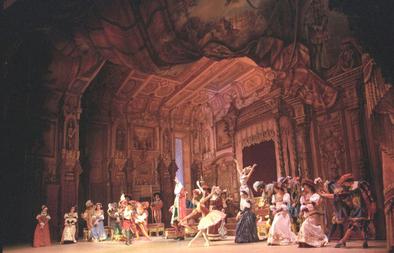


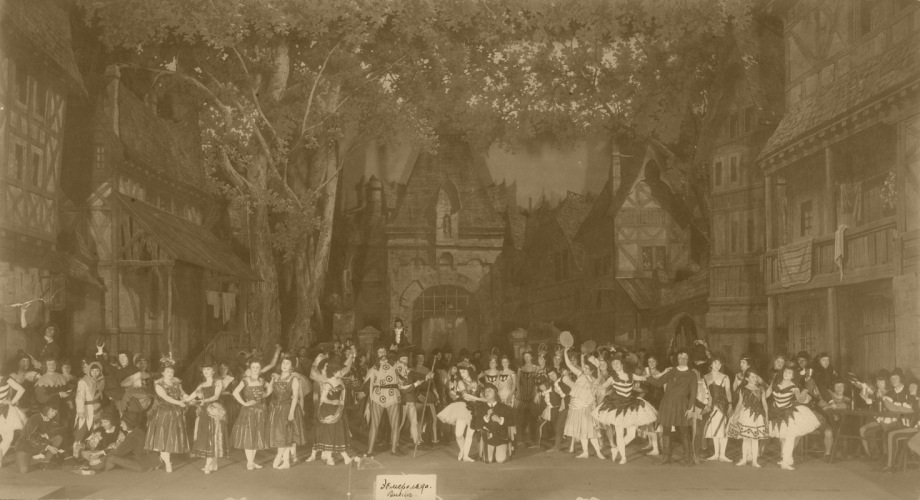
Career and positions
Petipa trained and began his career in Western Europe before moving to Russia, where he rose to prominence. He served as the principal Ballet Master of the Imperial Ballet from 1869 until 1903, supervising both choreography and company training at the imperial theatres. For a concise biographical overview see biographical note, and for the historical context of the company he led see Imperial Ballet.
Major works
Petipa created and revised a number of ballets that are still staged today. His hallmark works combine formal structure, scenic spectacle, and virtuoso dancing. Notable examples include:
- La Bayadère (1877) — a narrative ballet notable for its dramatic solos and the famous "Kingdom of the Shades" scene.
- Giselle (revised 1884) — Petipa prepared a new production of this Romantic-era classic; see the revised edition Giselle (1884).
- The Sleeping Beauty (1890) — a landmark full-length ballet created with music by Tchaikovsky; frequently cited as a pinnacle of classical structure and choreography (Sleeping Beauty).
- Swan Lake (revised 1895) — Petipa and his colleagues prepared an influential revival, often referenced as the standard version in later productions (Swan Lake (1895)).
- Raymonda (1898) — another full-length work that showcases his compositional skill for group dances and variations.
Style, innovations and influence
Petipa is widely credited with shaping a distinctly classical vocabulary for ballet by combining the bravura technique of the Italian school with the lyrical traditions of the French method. Dance historians note that under his direction Russian ballet moved from the late-19th-century Romantic idiom toward a more formal Classicism, refining ensemble work, codifying grand pas sequences, and elevating the technical demands on principal dancers and soloists. Discussions of the broader stylistic shift often refer to differences between Romanticism and later classical models; see a short note on Romanticism for context.
Legacy and continuing relevance
Petipa's choreographic structures — pas de deux, divertissements, and elaborated corps de ballet sequences — became templates for later generations. His collaborations with composers and designers helped establish the large-scale narrative ballet as both a theatrical spectacle and a vehicle for technical display. Scholars such as Lynn Garafola have argued that Petipa played a decisive role in turning what had been a largely Western-oriented art form into an expression associated with Russian cultural life; his repertory remained central to companies worldwide.
Notable facts and later reconstructions
Many of Petipa's original stagings were altered, cut, or reinterpreted in the decades after his retirement and death. During the 20th and 21st centuries there have been sustained efforts by historians and choreographers to study archival notations and contemporary accounts to reconstruct his intentions. Petipa's works continue to be revived, adapted, and debated by companies and scholars, ensuring that his influence on technique, repertory, and ballet pedagogy remains a living subject of performance and research.
For further reading and archival resources, consult the linked references above to explore biographical materials, company histories, and critical studies that trace Petipa's career and enduring impact.
Related articles
Author
AlegsaOnline.com Marius Petipa: architect of Classical ballet in Imperial Russia Leandro Alegsa
URL: https://en.alegsaonline.com/art/62061