
Rijksmuseum — National Museum of the Netherlands
The Rijksmuseum in Amsterdam is the Dutch national museum for art and history, founded in 1800. Its collection includes masterpieces by Rembrandt, Vermeer and Hals, with about 8,000 works on display.
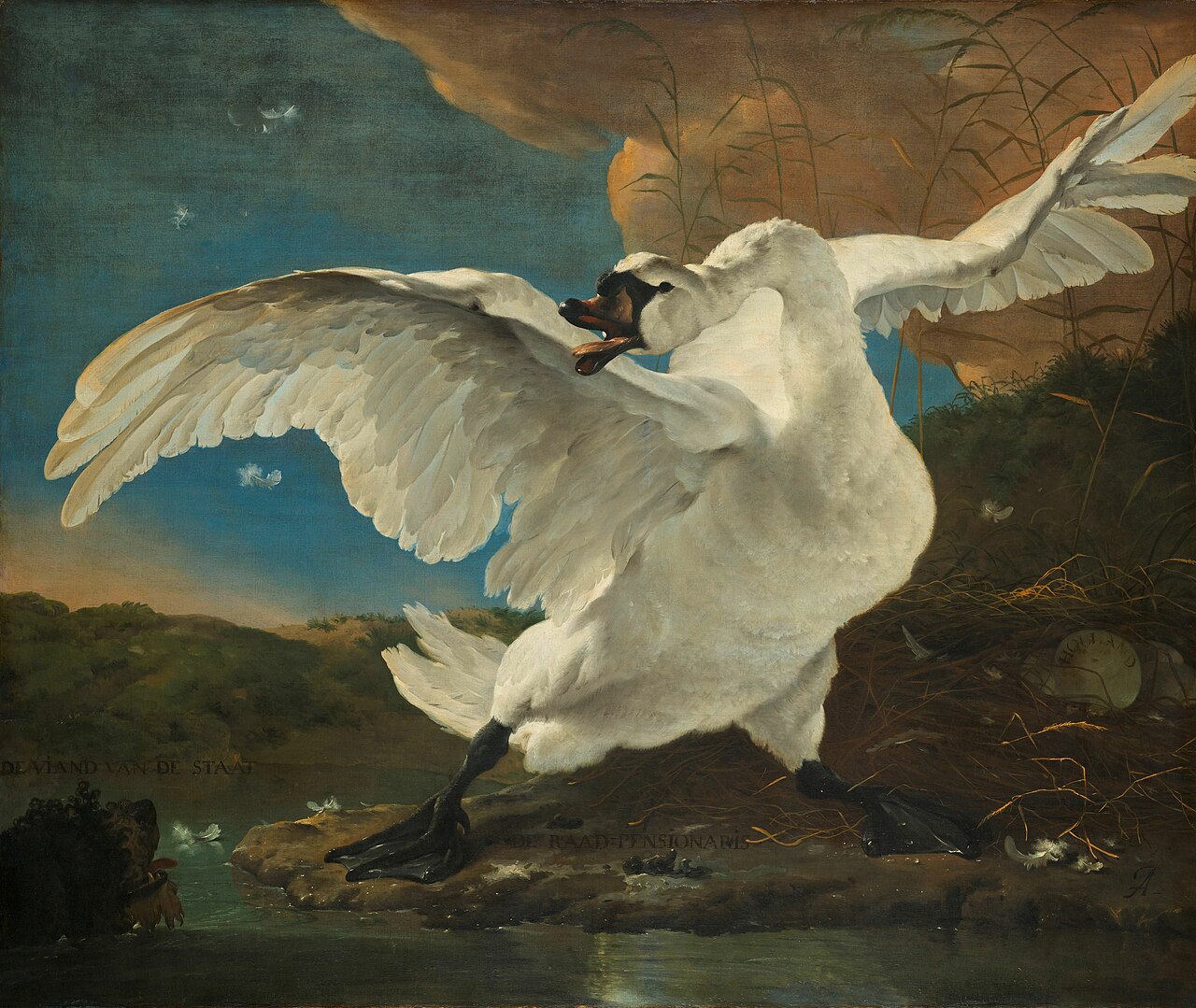
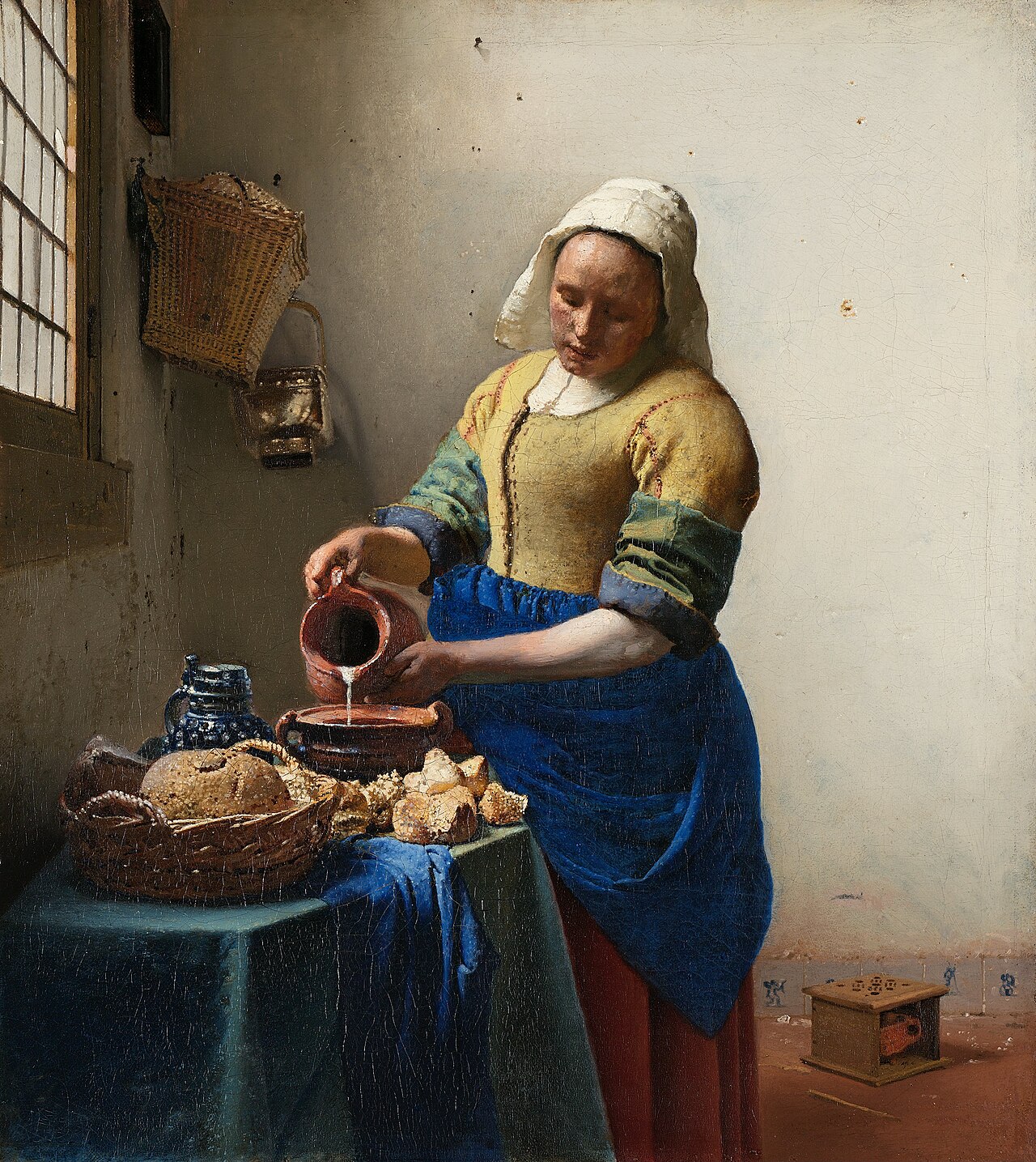
The Rijksmuseum is the national museum of the Netherlands, dedicated to Dutch art and historical artifacts. It stands in Amsterdam on the Museumplein and is run as a public cultural institution. The museum traces its origins to a state collection established in 1800 and today holds one of the country’s most important and broad-ranging assemblies of paintings, decorative arts, historical objects and prints. Many visitors come specifically to see iconic works by leading Dutch masters.
Image gallery
10 Images




History and development
The institution began in The Hague in 1800 and was transferred to Amsterdam in 1808. Its present main building was completed in 1885, the design of Dutch architect Pierre Cuypers, and combines Gothic and Renaissance revival styles. The Rijksmuseum underwent a major restoration and reorganization in the early 21st century, a long-term project that culminated in a comprehensive reopening in 2013. During the 2013–2014 period the museum was the most visited in the Netherlands.
Collections and highlights
The museum’s total holdings comprise roughly one million objects, of which about 8,000 are on public display in the galleries. The collection spans centuries and media: large-scale oil paintings, drawings, prints, silver, ceramics, textiles, ship models and archaeological material. A notable small collection of Asian art is also preserved and shown alongside European works.
- Paintings: masterpieces by Dutch Golden Age painters, including works by Rembrandt, Johannes Vermeer and Frans Hals.
- Decorative arts: silver, furniture and ceramics that illustrate everyday life and wealth in past centuries.
- Historical objects: items reflecting naval history, colonial trade and the development of the modern Dutch state.
Building, display and visitor experience
The Cuypers building is itself part of the museum’s appeal: its architecture, restored interiors and reworked exhibition layout were intended to make the collections more accessible and better preserved. Galleries are arranged by theme and period to help guide visitors through art and cultural history. Practical visitor information such as opening hours, ticketing and current exhibitions is provided by the museum’s official channels and guides.
Significance and distinctions
The Rijksmuseum functions both as a national repository for Dutch cultural heritage and as an active research and conservation institution. Its holdings provide key reference material for the study of the Dutch Golden Age, European decorative arts and the Netherlands’ overseas connections. As a public museum it balances the display of major masterpieces with rotating exhibitions and educational programs intended for a broad audience.
For further authoritative details and resources, consult the museum’s institutional pages and scholarly catalogues. This article mentions the museum as a museum supported by government structures (public institution) that focus on arts and history in Amsterdam. The original foundation began in The Hague, and the museum also maintains collections of Asian objects.
Questions and answers
Q: What is the Rijksmuseum?
A: The Rijksmuseum is a Dutch museum focused on the arts and history of Amsterdam.
Q: Who runs the Rijksmuseum?
A: The Rijksmuseum is run by the government.
Q: Where is the Rijksmuseum located?
A: The Rijksmuseum is located in Amsterdam.
Q: When was the Rijksmuseum opened and where was it originally located?
A: The Rijksmuseum was originally opened in The Hague in 1800.
Q: When did the Rijksmuseum move to Amsterdam and who designed the current main building?
A: The Rijksmuseum moved to Amsterdam in 1808, and the current main building was designed by Pierre Cuypers and opened in 1885.
Q: What is the size of the Rijksmuseum's collection and how many of these items can be seen by visitors?
A: The museum has a total of 1 million items, but visitors can see 8,000 of them.
Q: Which famous artists' work can be found at the Rijksmuseum?
A: The museum's collection includes items by famous artists such as Rembrandt, Frans Hals, and Johannes Vermeer.
Related articles
Author
AlegsaOnline.com Rijksmuseum — National Museum of the Netherlands Leandro Alegsa
URL: https://en.alegsaonline.com/art/82923
Sources
- rijksmuseum.nl : Address and route
- rijksmuseum.nl : History of the Rijksmuseum
- rijksmuseum.nl : The renovation
- parool.nl : Van Gogh Museum zit Rijks op de hielen als populairste museum
- rijksmuseum.nl : Jaarverslag 2015
- rijksmuseum.nl : Jaarverslag 2014
- nrc.nl : Musea trokken dit jaar opnieuw meer bezoekers
- museus.gov.br : Top 100 Art Museum Attendance
- rijksmuseum.nl : Board of Directors
- iamsterdam.com : Museumplein
- retro.nrc.nl : Schatkamer met veel gezichten
- bma.amsterdam.nl : "Stadhouderskade 42. Rijksmuseum (1876/85)" · web.archive.org