
Renzo Piano: Italian architect and engineer
Renzo Piano (born 1937) is an Italian architect and engineer known for projects such as the Centre Pompidou, The Shard and the New York Times Building; he received the 1998 Pritzker Prize and serves as a Senator for life.
Renzo Piano (born 14 September 1937) is an Italian architect and engineer whose work combines technical precision with careful attention to materials, light and urban context. Trained in Italy and active internationally, he rose to global prominence after a series of high-profile collaborations and public commissions. His practice is frequently cited for its emphasis on transparency, environmental performance and the integration of structure with building systems.
Image gallery
10 Images


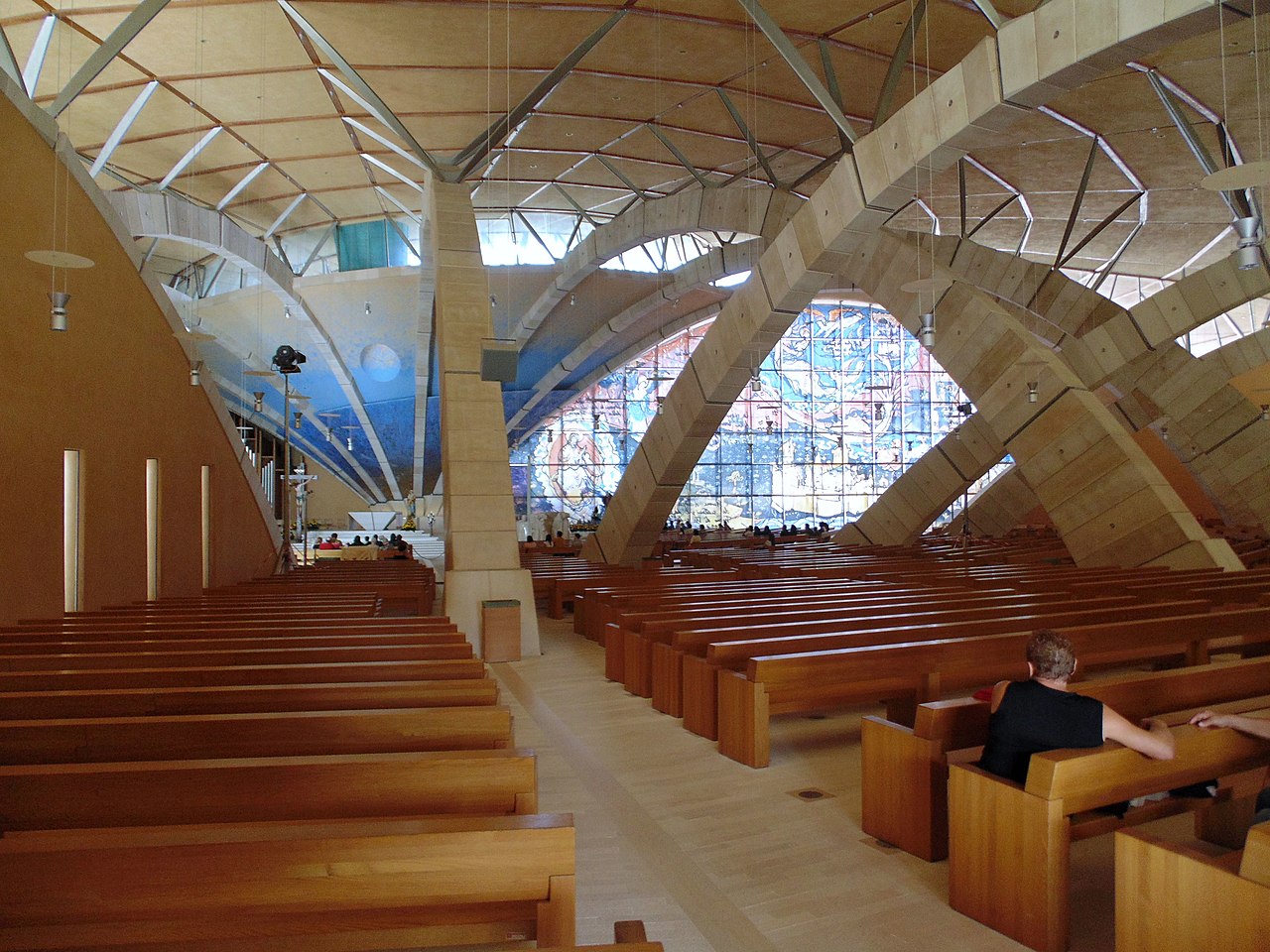

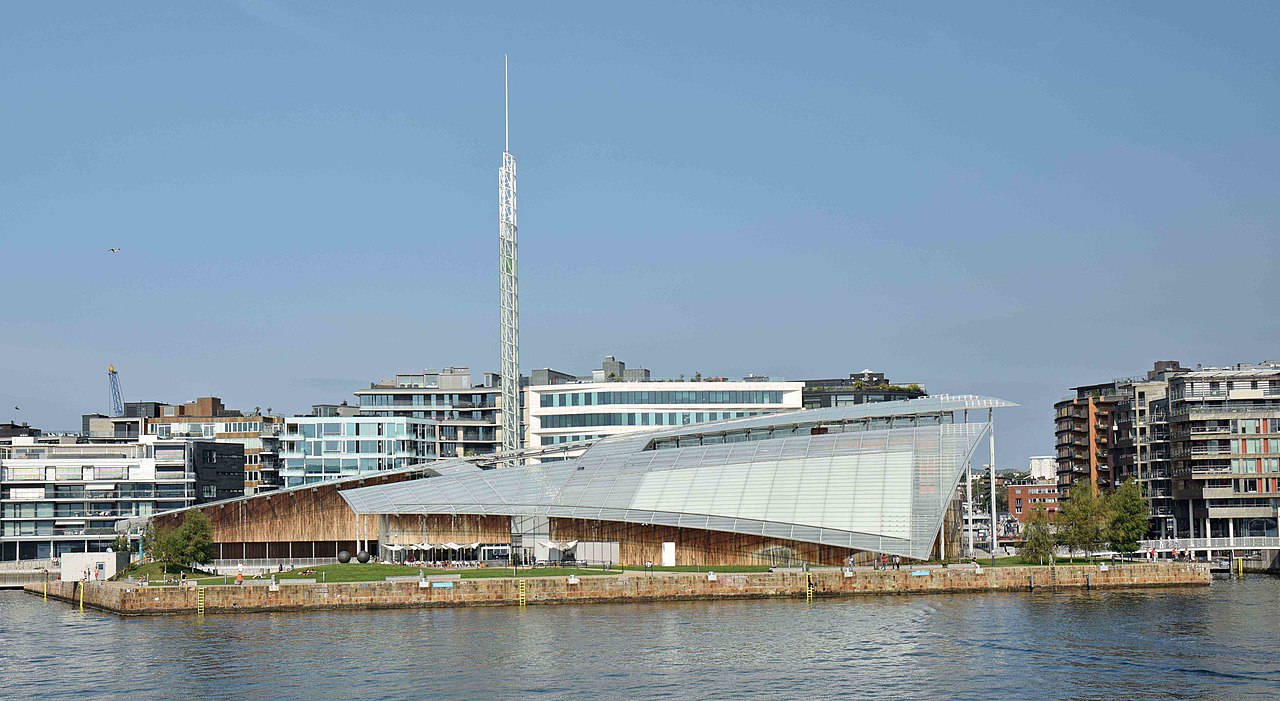
Early life and training
Piano was born in Genoa, Italy, a port city whose maritime and industrial traditions influenced his practical interest in craft and engineering. He studied architecture in Italy and began a career that would bridge design and technical problem-solving. Over time he developed a collaborative studio model that brings together architects, engineers and specialists to address the complex demands of large public projects.
Design approach and studio
Piano leads the Renzo Piano Building Workshop, a studio that emphasizes iterative design, prototyping and the close coordination of structural, mechanical and envelope systems. His buildings often expose parts of their structure and services in a controlled way, using steel, glass and high-performance cladding to achieve both lightness and robustness. He is widely described as both an architect and an engineer, reflecting the hybrid nature of his practice.
Major projects
- The Centre Georges Pompidou in Paris, a landmark cultural complex that brought international recognition to his work and to collaborative approaches in architecture.
- The New York Times Building in Manhattan, a tower noted for its use of ceramic screens and daylighting strategies; see the project link: New York Times Building.
- The Shard in London, a mixed-use glass spire that transformed the skyline and city centre; see The Shard and its relation to London planning debates.
- Numerous museums, concert halls, research centres and civic projects across Europe and beyond, often focused on public access, acoustics and conservation.
Other notable works include cultural campuses and urban regeneration schemes that prioritize sustainability, adaptability and long-term maintenance. His office develops technical details to support energy efficiency, daylighting and occupant comfort, integrating those goals into overall architectural composition. Contemporary projects continue to test new materials and façade technologies, some of which are documented in professional monographs and institutional reports.
Recognition, awards and public roles
Piano received the Pritzker Architecture Prize in 1998, one of the highest honors in the field; more on that award is available via Pritzker Prize. In 2006 he was named among the 100 most influential people by TIME, recognized for his impact on the built environment and public life. In August 2013 he was appointed a Senator for Life in the Italian Senate by President Giorgio Napolitano, reflecting his national standing. He also holds national honors such as the title referenced by OMRI.
Piano's public profile spans teaching, lectures and advisory roles on cultural and urban projects. His work is studied in architecture schools for its combination of technical clarity, human scale and sensitivity to context. Critics and admirers alike note the way his projects attempt to balance innovation with respect for existing urban fabric.
Further reading and resources
For summaries and project lists, consult institutional sources and reputable architectural publications. Biographical entries and career retrospectives often describe the collaborative methods used by his studio and the technical strategies behind signature projects; see additional references such as profiles on professional sites and museum publications, for example entries and archives at project resources and curated collections. Interviews and essays provide insight into his priorities, including sustainability, adaptability and cultural programming, while technical analyses explore the engineering solutions that underpin his buildings.
Piano's work continues to shape contemporary debates about urban design, conservation and environmental performance. Whether designing large civic buildings or smaller public facilities, his practice emphasizes craft, clarity of systems and the long-term stewardship of buildings within their cities.
Readers interested in primary sources, monographs and official project pages can follow institutional links and archives to learn more about individual commissions, honours and publications.
Additional resources: honors, professional profile, technical background, awards, city context, project resources, landmark projects, project case studies, birthplace, national context, media recognition, public office, national appointment.
Related articles
Author
AlegsaOnline.com Renzo Piano: Italian architect and engineer Leandro Alegsa
URL: https://en.alegsaonline.com/art/82191
Sources
- time.com : "The 2006 Time 100"
- quirinale.it : "Il Presidente Napolitano nomina Abbado, Cattaneo, Piano e Rubbia senatori a vita"