
Giorgio Napolitano: Italian statesman and two-term president
Overview of Giorgio Napolitano (born 1925), his political career, presidency (2006–2015), re-election in 2013, major actions during crises, political background and legacy.
Giorgio Napolitano (born June 29, 1925) was an Italian statesman who served as the 11th President of the Italian Republic. A long‑time figure in national politics, he became widely known for guiding Italy through several moments of political and economic difficulty. He combined a background in parliamentary life and party politics with a reputation for institutional conservatism and pragmatic leadership.
Image gallery
10 Images

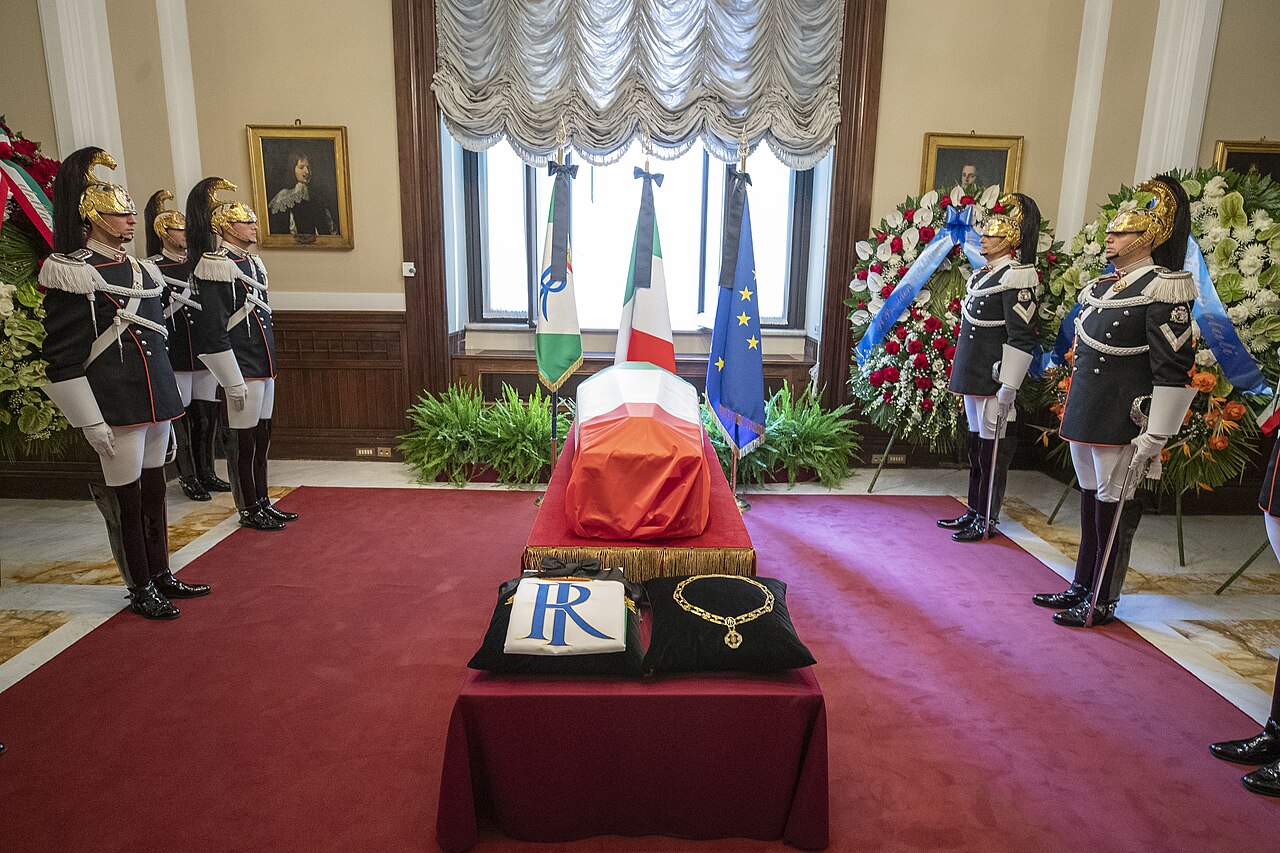


Early life and political background
Napolitano was born in Naples and pursued a career in law and politics in Italy. He came to prominence within the post‑war political landscape and was associated for many years with parties on the left that evolved from the Italian Communist tradition into social‑democratic formations. Over decades he held parliamentary seats, contributed to constitutional debates, and acquired a profile as an experienced negotiator within Italian institutions.
Presidency (2006–2015)
Napolitano was elected President of the Republic on May 10, 2006, and formally took office on May 15, succeeding Carlo Azeglio Ciampi (Ciampi). His first election reflected the support of center‑left forces and a coalition led by Romano Prodi (Prodi). His nine‑year tenure encompassed a series of national challenges including electoral stalemates, government collapses and the European sovereign debt crisis.
- 2006: elected President by parliamentary vote and regional delegates.
- 2011: played a leading role in the transition of government amid the euro‑area financial emergency.
- 2013: asked to remain in office during a political impasse and re‑elected for a second term.
- 2015: resigned from the presidency, citing advanced age and the need for renewal.
Actions and significance
Throughout his presidency Napolitano was noted for using the constitutional prerogatives of the office to maintain stability: he consulted widely, appointed technocratic and coalition prime ministers when parliamentary majorities fractured, and sought compromises to preserve governance. Observers often described him as a stabilizing force whose interventions were aimed at preventing institutional paralysis. His critics sometimes faulted him for an assertive style that appeared to stretch traditional conventions for the presidential role; supporters argued those steps were necessary in exceptional circumstances.
Legacy and notable facts
Napolitano occupies a distinctive place in modern Italian history. He was the first president of the Republic to be re‑elected to a second term, an outcome driven by political deadlock in 2013. His lengthy public career earned him the informal nickname "King George" in some media accounts. He resigned the presidency on January 14, 2015, and in later years remained a respected elder statesman whose judgments continued to be consulted in public debates.
His life and work illustrate the role of the presidency in Italy as a constitutional safeguard and an instrument for managing crises when partisan politics cannot deliver steady government. For more detailed timelines of his parliamentary and ministerial roles, consult comprehensive political biographies and archives that document Italy's postwar parliamentary history.
Related articles
Author
AlegsaOnline.com Giorgio Napolitano: Italian statesman and two-term president Leandro Alegsa
URL: https://en.alegsaonline.com/art/119839
Sources
- quirinale.it : quirinale.it/qrnw/statico/lingue/en/en-nap-biografia.htm