
Renaud Gagneux (1947–2018): French contemporary composer
Renaud Gagneux, Paris-born composer (1947–2018). Studied with Cortot, Dutilleux, Stockhausen and Messiaen; member of GRM; recipient of multiple SACEM and other French composition prizes.
Renaud Gagneux (15 May 1947 – 24 January 2018) was a French composer active in the late 20th and early 21st centuries. Born in Paris, he developed a career in the contemporary classical tradition and was recognised for chamber works as well as larger-scale compositions. For a concise overview of his life and work see this summary entry: Renaud Gagneux.
Image gallery
1 Image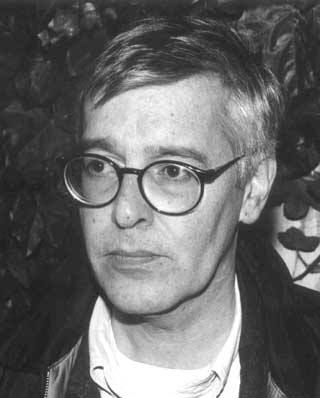
Education and formative influences
Gagneux received early piano training from the distinguished pedagogue Alfred Cortot at the École Normale in Paris, and studied composition there with Henri Dutilleux. In 1966 he spent time in Cologne studying with Karlheinz Stockhausen, an experience that exposed him to avant-garde techniques and contemporary approaches to sound. He later continued studies at the Conservatoire de Paris with André Jolivet and Olivier Messiaen, grounding his work in several important strands of French modernism and post-war European composition. Further institutional context is available via the Conservatoire: Conservatoire de Paris.
Career and recognition
In 1972 Gagneux joined the Groupe de Recherches Musicales de l'ORTF, an important centre for research in electronic music and sound exploration, where composers and technicians developed new techniques for live and recorded music. Over the following decades his output earned a steady stream of honours from French musical organisations.
- SACEM Grand Prix for chamber music (1977)
- Prix Georges Enesco (1983)
- SACD Prize for New Talent (1989)
- Composers' Prize of SACEM (1990)
- SACEM Grand Prix for his complete works (1993)
Musical style and contributions
Gagneux's music is generally placed within contemporary classical practice. Influences from his teachers and from the French modernist lineage informed a concern with timbre, texture and refined instrumental colour. His association with research institutions like the GRM also suggests an interest in sound production and the possibilities of acoustic and electroacoustic techniques, while retaining a commitment to expressive clarity. Performers and ensembles have programmed his works in concert series and recordings, helping maintain his presence in late-20th-century French music.
Legacy and notable facts
Gagneux remained active in composition and in the French musical world until his death in Paris on 24 January 2018; his passing was attributed to complications related to amyotrophic lateral sclerosis (ALS). His career illustrates a mid-century trajectory in French composition: rigorous conservatory training, encounters with international avant-garde figures, participation in state-supported research laboratories, and recognition through national prizes. For readers seeking further references and biographical notes, the linked institutional pages and biographical entries provide starting points: biographical entry, birthplace and early life, studies with Cortot, time in Cologne with Stockhausen, later study with Messiaen, and conservatory affiliation Conservatoire de Paris.
Related articles
Author
AlegsaOnline.com Renaud Gagneux (1947–2018): French contemporary composer Leandro Alegsa
URL: https://en.alegsaonline.com/art/82108
Sources
- francemusique.fr : "Disparition du compositeur Renaud Gagneux"