
Renaissance art: origins, styles, and influence
Renaissance art, emerging in 15th–16th century Europe, revived classical ideas, developed perspective and naturalism, and shaped Western art through innovations in technique, patronage, and subject matter.
Overview
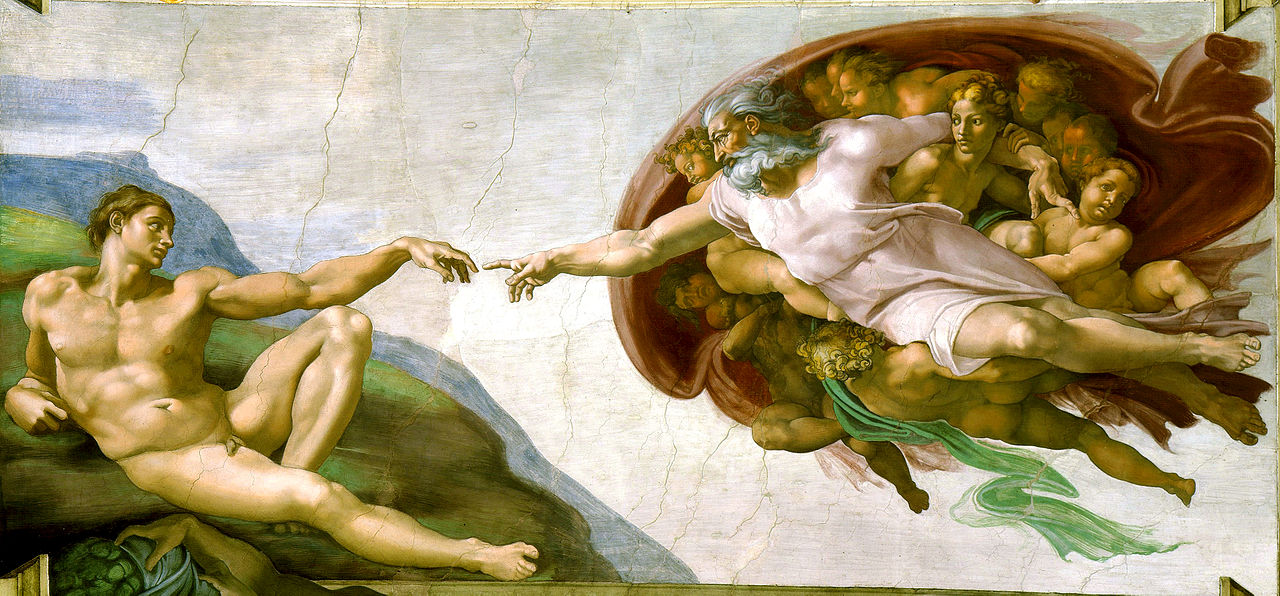
The Renaissance was a period of renewed interest in the culture, literature, and art of classical antiquity that began in Italy about 1400 and extended through the 16th century. It produced many works now regarded as masterpieces and changed artistic priorities: observation of the natural world, the study of human anatomy, and the use of mathematical perspective to create believable space. The movement is frequently linked to cities in Italy such as Florence and to broader European developments in the Low Countries and beyond. For more context see Renaissance overview.
Image gallery
10 Images




Characteristics and techniques
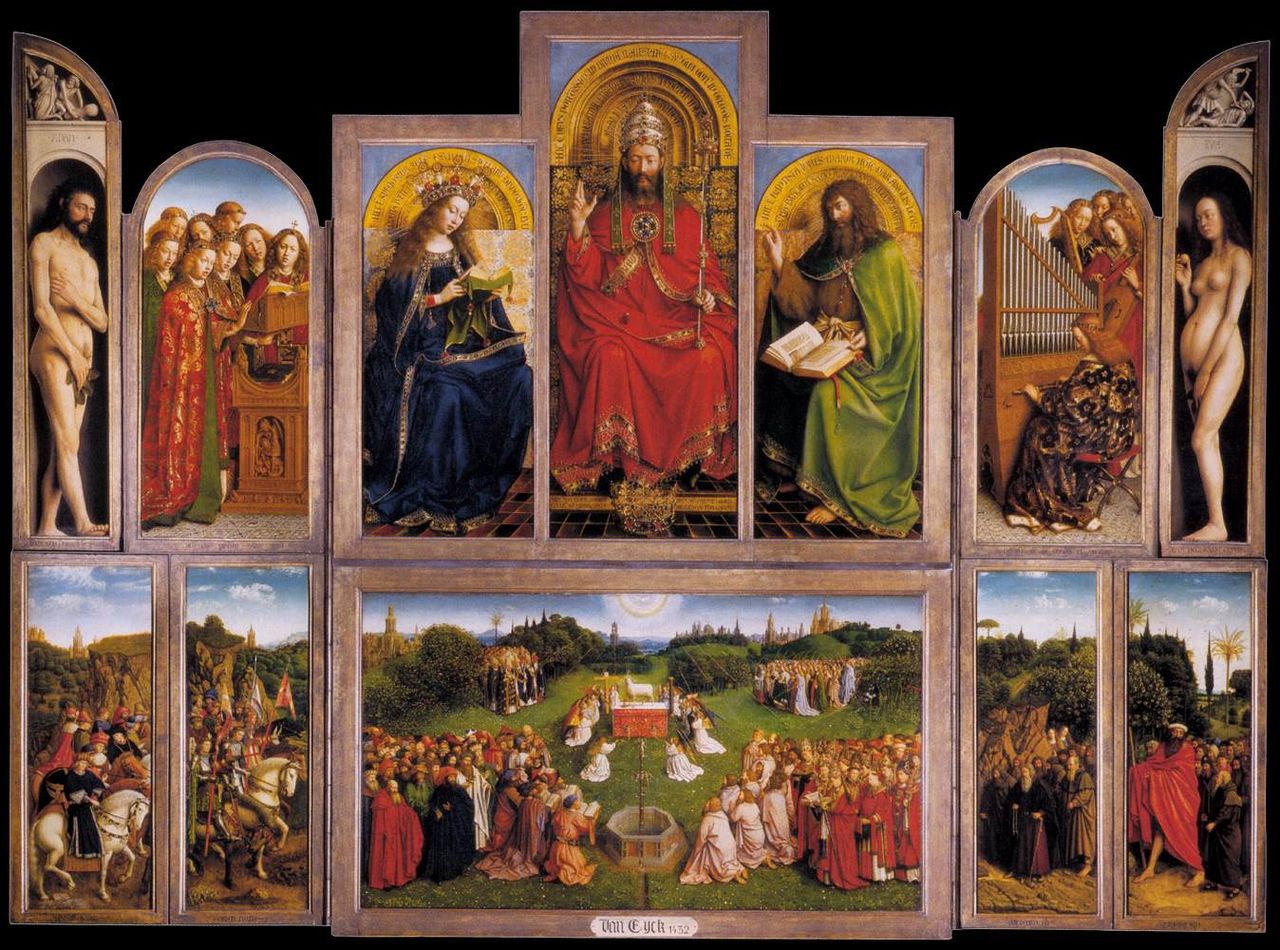
Renaissance artists pursued realism and clarity. They refined linear perspective to depict three-dimensional space on a flat surface, employed chiaroscuro (contrasts of light and shadow) to model form, and studied anatomy for accurate figure construction. Oil painting, which allowed richer color and subtle glazing, became increasingly important: techniques developed in the North influenced Italian practice. Learn about technical advances at Northern art and oil painting.
History and regional development
The movement is often divided into phases: an early period that established new approaches to composition and naturalism, a High Renaissance peak where artists balanced harmony and idealized beauty, and later developments that led into Mannerism. Florence is widely recognized as an incubator because of its civic institutions, workshops, and patrons. Northern Europe, especially the Flemish regions, developed a parallel flowering with detailed panel painting and a strong oil-paint tradition. See regional summaries at Italy and Florence.
Notable subjects and functions
Renaissance works included religious altarpieces and fresco cycles, civic commissions, private portraits, mythological scenes, and scientific sketches. Art served devotional, political, and educational purposes: churches, guilds, courts, and wealthy patrons commissioned works that conveyed piety, power, or erudition. Many surviving paintings and sculptures were created for public display in chapels, palaces, and civic buildings.
Legacy and importance
- Set technical and compositional standards for Western art for centuries.
- Integrated artistic practice with scientific observation and humanist learning.
- Inspired later revivals and continues to be central in art education and museum collections worldwide.
For introductions and further reading, consult general resources and museum overviews that address the period's artists, techniques, and social context. Related topics include patronage, workshop practice, and the exchange of ideas between Italian and Northern European artists via travel, prints, and trade. Additional reference links: period summary, Italy's role, Florentine art, Flemish influence.
Related articles
Author
AlegsaOnline.com Renaissance art: origins, styles, and influence Leandro Alegsa
URL: https://en.alegsaonline.com/art/82096