
Regurgitation: biological process, causes, and ecological roles
Regurgitation is the return of partly digested food from the digestive tract to the mouth. It occurs in many species for feeding, cleaning, communication, or as a medical sign and differs from vomiting.
Overview
Regurgitation is the act of expelling material that has entered the digestive tract back into the mouth without the forceful retching typical of vomiting. It occurs in humans and many animals, and the expelled matter can include food, indigestible fragments, or occasionally blood when an injury or disease affects the upper digestive tract. The term covers a range of behaviors that differ in purpose and mechanism across species.
Image gallery
5 Images



Mechanism and medical aspects
Physiologically, regurgitation often involves reverse movement through the esophagus or crop driven by changes in pressure or muscle tone rather than the coordinated abdominal contractions of vomiting. In clinical settings, persistent or recurrent regurgitation can signal conditions such as gastroesophageal reflux, impaired esophageal motility, or anatomical problems like a hiatal hernia. In infants, "spitting up" is a common benign form of regurgitation, while in adults it may require investigation.
Common causes and clinical notes
- Acid reflux and gastroesophageal reflux disease (GERD)
- Motility disorders such as achalasia or scleroderma
- Mechanical obstruction, strictures, or post-surgical changes
- Neurological impairment or impaired swallowing reflex
Ecological and behavioral roles
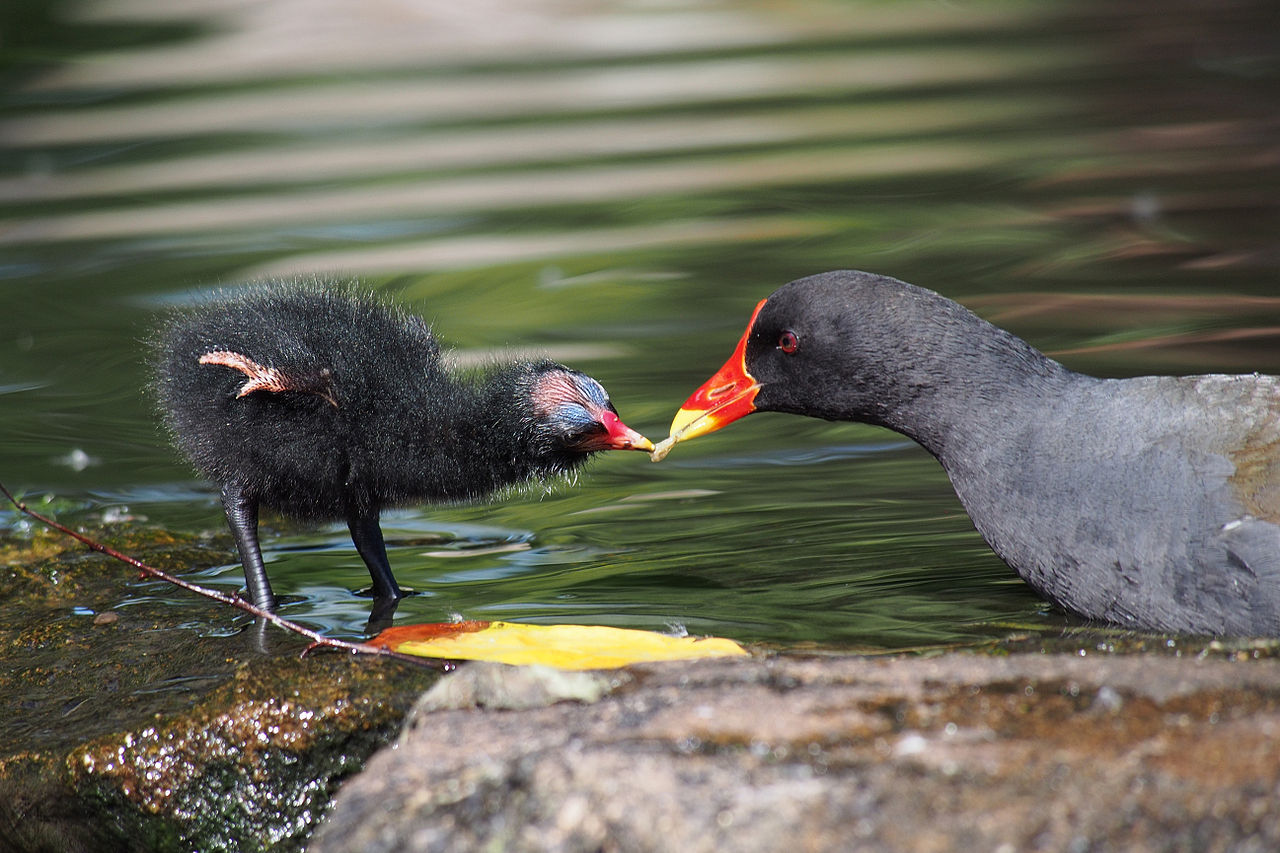
Outside medicine, regurgitation is an important adaptive behavior. Many bird species feed nestlings by returning softened prey from the stomach or crop to the chick's beak. Social insects and some birds also transfer food between individuals by regurgitation as part of communal feeding. For predators that cannot digest fur, bone, or feathers, regurgitation removes indigestible material and produces compact pellets.
Examples and notable facts
- Pigeons produce nutrient-rich "crop milk" and deliver it to young by regurgitation; see crop feeding.
- Owls and other raptors regularly cast pellets containing bones and feathers; these pellets are used in education and ecological study.
- Honey bees pass nectar mouth-to-mouth via regurgitation when working in the hive.
- Some species use regurgitation as a defensive response or to distract predators.
Distinctions and final notes
Regurgitation differs from vomiting by being less violent and often lacking nausea. It can be voluntary or reflexive and may be adaptive (feeding, hygiene, food processing) or pathological (sign of disease). For further reading on specific aspects, consult general references on digestive physiology and veterinary behavior or see entries linked here: indigestible material, feather and fur processing, human health, and animal behavior.
Related articles
Author
AlegsaOnline.com Regurgitation: biological process, causes, and ecological roles Leandro Alegsa
URL: https://en.alegsaonline.com/art/81927