
Red-light district: overview, regulation, history, and social issues
Urban areas where sex work is visibly concentrated and often tolerated or regulated. Covers definitions, typical features, legal models, public-health responses, notable examples and contemporary debates.
Overview
A red-light district is an identifiable part of a city where commercial sex work is concentrated and visible. Such districts are commonly associated with related businesses (bars, clubs, massage parlours) and a degree of public recognition. The term is used in discussions about urban planning, law enforcement, public health and tourism. The concept connects to the broader idea of the urban area in which particular activities cluster and to the practice of sex work specifically. Red-light districts exist across the world, varying widely in scale and regulation.
Image gallery
10 Images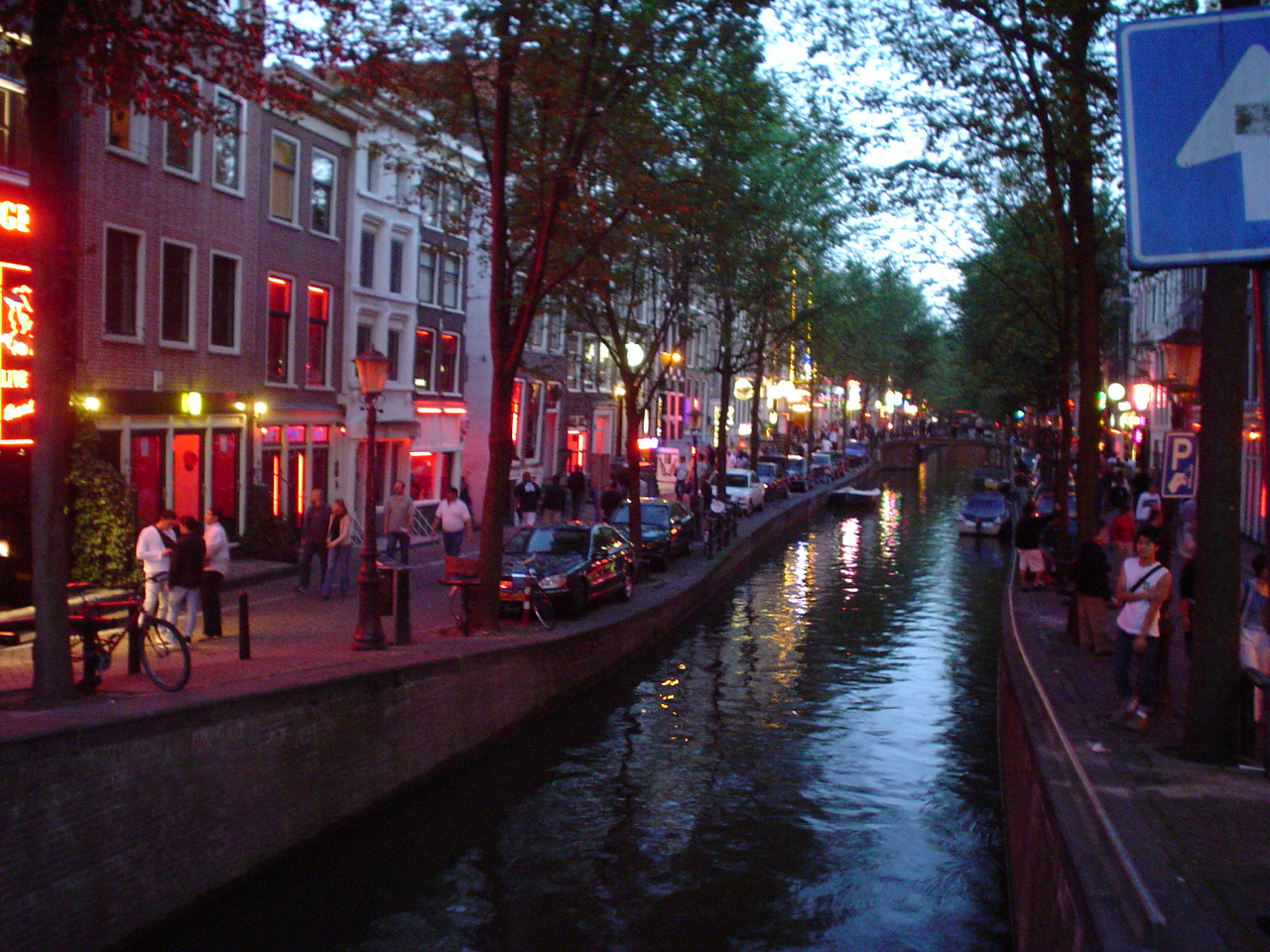


Typical characteristics
Physical features can include streets lined with windows or small storefronts, designated entertainment zones, and areas where street-based sex work is common. In many places authorities or non-governmental organisations provide health outreach, such as free condoms and clinical visits aimed at preventing sexually transmitted infections. Some districts are integrated with mainstream nightlife, while others are segregated by zoning or social practice.
Legal status and public-health approaches
Red-light districts reflect different legal models. In some cities sex work is legal and regulated: workers may register, be subject to health checks, and pay taxes. In other settings sex work is formally illegal, but enforcement is selective and authorities tolerate activity in particular zones. Where sex work is criminalised, workers are more likely to operate on the street or to be driven underground, increasing vulnerability to exploitation and violence. Public-health programmes and harm-reduction strategies are often concentrated in recognized districts to improve safety and reduce disease transmission.
History, origins and examples
The phrase "red-light" is commonly understood to derive from the historic use of red lamps to mark establishments; the practice and the urban clustering of sex services have long ties to port cities, military towns and transport hubs. Well-known contemporary examples include Amsterdam's regulated area around Amsterdam and its historic core, De Wallen. Other famous districts have developed in European and Asian cities, and in some regions — including certain parts of Africa — social or economic pressures have produced concentrated communities where sex work is the dominant livelihood.
Services and governance
- Health outreach: clinics, testing and condom distribution.
- Regulation: licensing, inspections and taxation in some jurisdictions.
- Safety measures: police patrols, lighting, and community organisations.
- Economic and zoning policies: designated zones, tourism management.
Contemporary debates and distinctions
Red-light districts prompt debates about public order, human rights and economic impacts. Supporters argue that designated districts can improve worker safety, enable health services and reduce crime by making activity visible and accountable. Critics raise concerns about exploitation, the commodification of bodies, and the effects of gentrification when formerly tolerated zones are redeveloped. Distinctions between tolerance, decriminalisation and full legal regulation shape both policy and everyday conditions for people who work in the sex industry.
As urban areas change, so do red-light districts: some shrink under redevelopment, others adapt through formal regulation or sustained civil-society advocacy. Understanding these areas requires attention to law, public health, local economy and the lived experiences of sex workers themselves.
Related articles
Author
AlegsaOnline.com Red-light district: overview, regulation, history, and social issues Leandro Alegsa
URL: https://en.alegsaonline.com/art/81674