
Regina, Saskatchewan — capital city on the Canadian prairies
Regina is the capital and second-largest city of Saskatchewan, Canada, known for its government institutions, prairie setting, cultural life, and CFL team the Roughriders.
Overview
Regina is the capital city of the Province of Saskatchewan and the second-largest urban centre in the province. Located on the open plains of the eastern prairie region of Western Canada, the city serves as a regional hub for government services, education, and culture. Its civic identity blends public institutions, university life and sport with a landscape shaped by agriculture and natural-resource industries.
Image gallery
10 Images


Origins and development
The community was formally named Regina in the 19th century in honour of Queen Victoria; the name comes from the Latin for queen, Regina. The site grew in importance as a center for the administration of the surrounding territories and later became the capital of Saskatchewan. Railways, immigration and prairie settlement during that era accelerated its growth, and public buildings such as the provincial legislative assembly established Regina as an administrative centre.
Characteristics and notable places
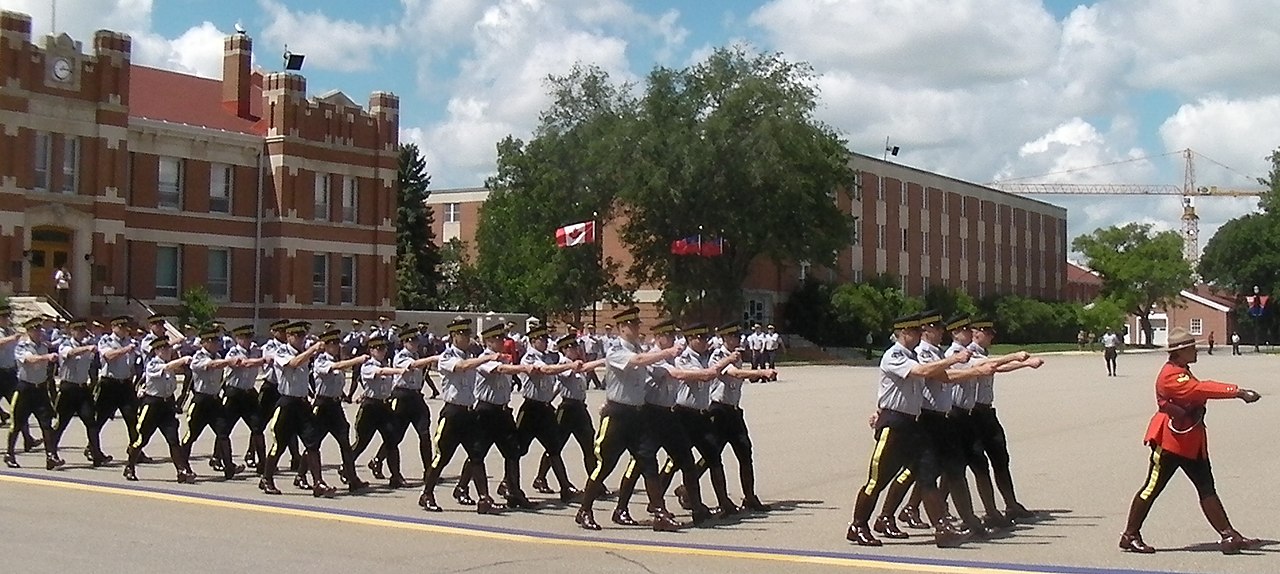
Regina features a compact downtown dominated by government and cultural institutions, parks and planned green space. A prominent municipal landmark is Wascana Centre, a large urban park built around a central lake and used for recreation, events and conservation. The Saskatchewan Legislative Building and surrounding grounds are focal points of civic life. The city also hosts a national policing college, a number of museums and performance venues, and educational institutions led by the University of Regina.
Economy and environment
The local economy connects to agriculture on the surrounding prairies and to provincial resource sectors such as potash, uranium and oil and gas. Regina functions as a service centre for farming communities and for industries that process and export commodities. The city experiences a continental climate with cold winters and warm summers, and planning has emphasized parks and civic spaces suited to year-round use.
Sports, culture and institutions
Sport plays a prominent role in civic identity. The city is home to the professional Canadian football club the Saskatchewan Roughriders, members of the Canadian Football League, who play at Mosaic Stadium. Amateur and junior hockey is represented by the Regina Pats of the Western Hockey League, and university teams add to the local sporting scene. Cultural life includes festivals, galleries and music venues that reflect prairie traditions and contemporary artistic practice.
Why Regina matters
As a provincial capital, Regina houses the core administrative functions of Saskatchewan and acts as a bridge between urban decision-making and rural economies. It is a regional centre for health care, education and the arts, and its public spaces and institutions make it a focal point for provincial ceremonies and celebrations. While its setting on the plains defines much of its character, the city's institutions — from government to university to sports franchises — shape a civic profile that extends across the province and beyond.
Quick facts and points of interest
- Government: Provincial legislative institutions and administrative offices.
- Parks: Wascana Centre and other public green spaces.
- Sports: Mosaic Stadium; teams including the Roughriders and Pats.
- Education: University of Regina and regional colleges.
- Economy: Agriculture and mineral resources; service and cultural sectors.
For more general context about the province and country see the provincial page Saskatchewan and national information for Canada. For regional context explore resources on the prairie region of the eastern prairies and on Western Canada. Sports and league references include the CFL, the Saskatchewan Roughriders, the WHL and the Regina Pats.
Related articles
Author
AlegsaOnline.com Regina, Saskatchewan — capital city on the Canadian prairies Leandro Alegsa
URL: https://en.alegsaonline.com/art/81867
Sources
- esask.uregina.ca : The Encyclopedia of Saskatchewan | Details
- rbc.com : rbc.com