
Condom (barrier contraceptive and STI prevention)
A condom is a barrier sheath used during sexual activity to reduce pregnancy and lower the risk of sexually transmitted infections; available in several materials and designs and intended for single use.
Overview
A condom is a flexible sheath designed to be worn over the penis or inserted into the vagina to provide a physical barrier during sexual activity. Condoms are a widely used form of barrier contraception and are also important for reducing the transmission of many sexually transmitted infections (STIs). They are intended for single use, are inexpensive, and are sold over the counter and distributed free in many public health programs. For more general background, see anatomical reference and basic sexual health resources such as sexual health guides.
Image gallery
10 Images


Materials and types
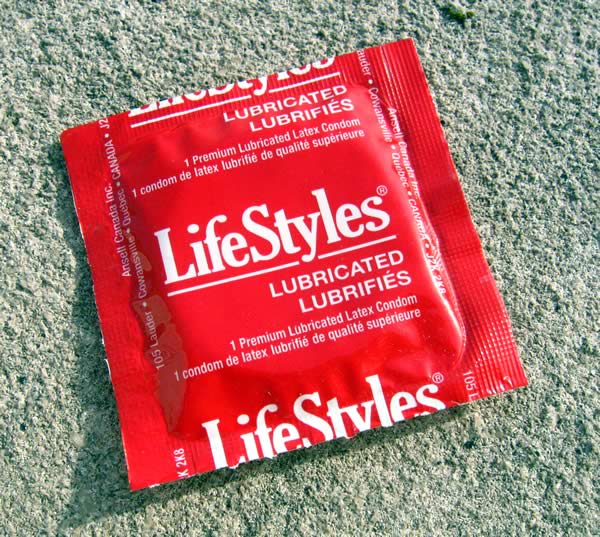
Modern condoms are produced from several materials. Latex rubber is common because it is elastic and effective at stopping both semen and many pathogens. Alternatives for people with latex sensitivity include polyurethane and polyisoprene, which are synthetic and provide similar barrier protection. Natural membrane condoms — often made from lamb or sheep intestine — can prevent pregnancy but are more porous and do not reliably block viruses, so they are not recommended when STI protection is required. Female condoms (worn internally) are another barrier option and are made from synthetic film. Condoms may be lubricated, textured, or shaped for fit and sensation, and some are pre-treated with spermicide; however, spermicidal agents can irritate some users. For product comparisons see contraceptive options and material differences.
History and development
Barrier methods to reduce conception and infection have a long history. Early forms were made from cloth, leather, or animal membranes in various societies. The development of rubber processing and vulcanization in the 19th century led to reusable rubber condoms, and later advances produced thin, disposable latex condoms that became widespread in the 20th century. Continued material science improvements produced thinner synthetic films and female condoms. For historical overviews and museum collections, consult resources such as history of contraception and educational exhibits at major public health institutions cited at historical collections.
How condoms are used and how effective they are
When used consistently and correctly, condoms substantially reduce the risk of pregnancy and lower transmission of many STIs, including bacterial infections and viruses that transmit via genital fluids. Effectiveness depends on correct application: check the expiration date, open the package carefully, pinch the tip to leave space for semen, unroll to the base of the erect penis or insert an internal condom according to instructions, and use appropriate lubrication. Avoid oil-based lubricants with latex. After ejaculation, hold the condom at the base during withdrawal to prevent slippage and dispose of it in waste. Incorrect use, slippage, or breakage reduces effectiveness. For step-by-step guidance and safety tips see user instructions and product leaflets referenced at safety information.
Advantages, limitations and public health role
Condoms are widely valued for dual protection: they help prevent pregnancy and reduce transmission of many STIs. They are nonhormonal, reversible (fertility returns immediately after stopping use), accessible without a prescription, and found in diverse commercial and public distribution channels. Limitations include the need to apply them before intercourse begins, the possibility of decreased sensation for some users, and a lower degree of contraception compared with some long-acting methods when used imperfectly. Natural membrane condoms provide less STI protection, and improper storage or use can lead to failure. Public health programs emphasize condom availability, education, and combination use with other contraceptives when appropriate; see public health guidance and research summaries at evidence reviews.
Practical considerations and further reading
- Storage: keep condoms in a cool, dry place away from direct sunlight; heat and friction can damage them. See storage advice.
- Allergies: users with latex sensitivity can choose polyurethane or polyisoprene products; consult healthcare guidance at medical resources.
- Environmental impact: natural latex is biodegradable, while some synthetic materials are not; disposable single-use practice affects waste.
- Access: condoms are widely available from pharmacies, vending machines, clinics, and community programs; many organizations provide free supplies and information — for sources see access and support.
Condoms remain a foundational tool in sexual and reproductive health because of their versatility, accessibility, and role in preventing both unintended pregnancy and the spread of many infections. Choosing the right type and learning correct use maximizes their benefits for individuals and communities.
Questions and answers
Q: What is a condom?
A: A condom is a thin cover that is put on a man's penis and used during sexual intercourse. It is normally made of latex and can be used as a form of birth control to prevent pregnancy or the spread of certain sexually transmitted infections.
Q: What other names are there for condoms?
A: Another name for condoms is prophylactic sheath.
Q: What materials are condoms typically made from?
A: In 2009, most condoms were made of latex. For people with latex allergy, plastic condoms are available. The first condoms were made of tissue paper, while later models were made from the intestines of animals such as sheep.
Q: What advantages do condoms have?
A: Condoms are popular for several reasons; they are inexpensive and can be bought without a prescription by either a man or woman, they have no health-related side effects for either partner, and they reduce the spread of infections. If the couple decides to have a baby, they can stop using them at any time with no delay in trying to get pregnant.
Q: Are there any disadvantages to using condoms?
A: During sex, the couple must stop to put on the condom just before beginning intercourse which interrupts their excitement; it also reduces physical feelings during intercourse especially for the man who cannot feel as much heat and sensation from his partner's vagina; it can also reduce emotional closeness between partners because there is something between them; finally it may become more expensive if couples are having sex very often in comparison to other types of birth control like pills which may be more effective than using only condoms.
Q: Is there an alternative material option for those with allergies?
A: Yes, plastic condoms are available for those with latex allergies.
Related articles
Author
AlegsaOnline.com Condom (barrier contraceptive and STI prevention) Leandro Alegsa
URL: https://en.alegsaonline.com/art/22440
Sources
- buzzfeed.com : buzzfeed.com/tomphillips/42-incredibly-weird-facts-youll-want-to-tell-people-down-the
- contraceptivetechnology.com : Contraceptive Technology