
Redfield, Arkansas — city overview, history, and community
Redfield is a small city in the U.S. state of Arkansas. This article summarizes its setting, history, climate, local economy, and civic life, with links to primary municipal and state resources.
Overview
Redfield is a small incorporated city in the U.S. state of Arkansas. Like many small municipalities in the region, it serves as a local center for residential life and community activities while remaining connected to larger nearby towns and regional roads. Redfield is commonly described as a close-knit community with local institutions such as churches, schools, and volunteer organizations.
Image gallery
3 Images
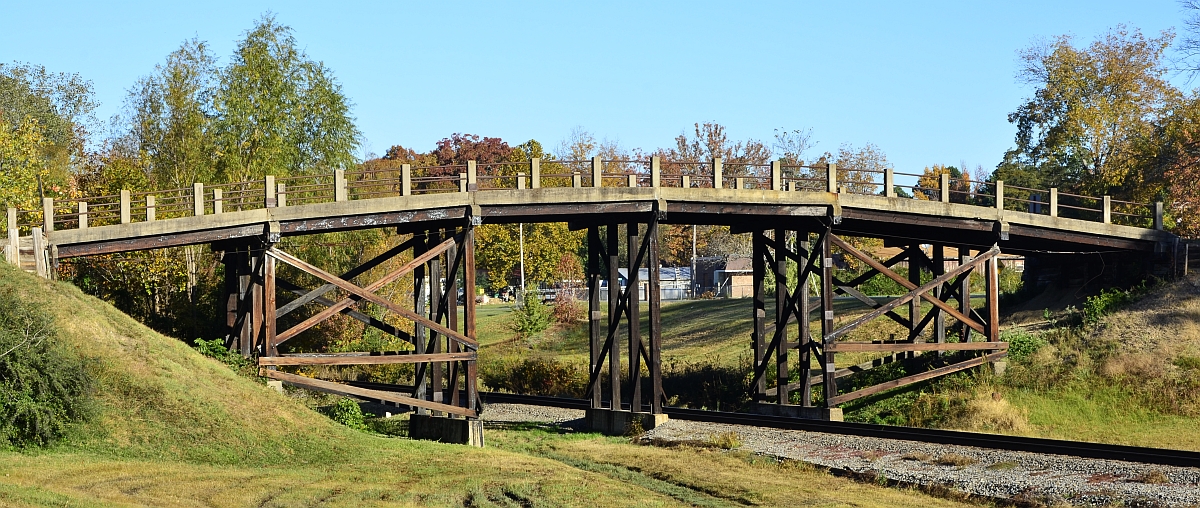
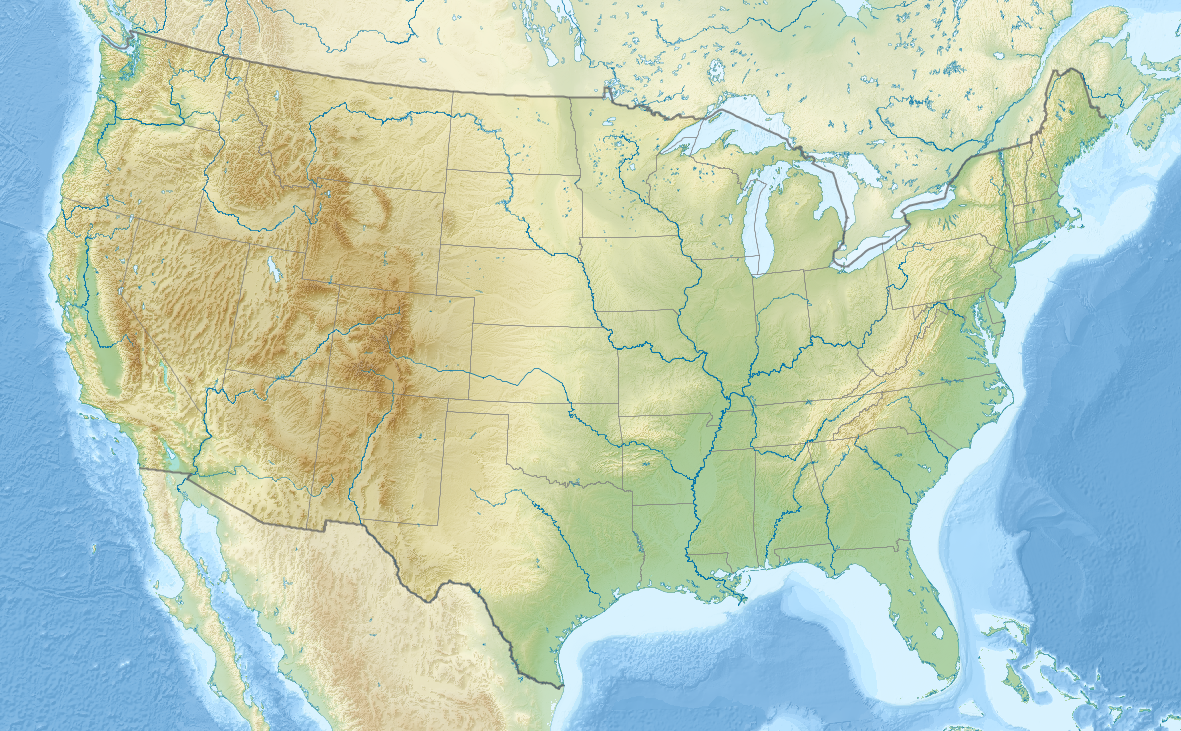
History and development
The community grew through patterns typical of rural Arkansas settlements: agriculture, transportation links, and gradual residential development. Over time, Redfield evolved from a sparsely settled area into an incorporated municipality with basic civic services. Local histories often note the role of family farms, small businesses, and community institutions in shaping the town’s character.
Geography and climate
Redfield lies within the geographic and climatic zone common to much of Arkansas. The area experiences a humid subtropical climate, with hot summers, mild to cool winters, and significant annual rainfall that supports crops, woodlands, and waterways. Surrounding landscapes typically include farmland, mixed hardwood forests, and lowland waterways.
Economy and community life
The local economy tends to reflect a mix of agriculture, small commerce, and commuter employment. Many residents work in nearby larger towns or in service and public-sector jobs, while local enterprises support daily needs. Community life centers on schools, civic clubs, and seasonal events that reinforce local identity and social ties.
Transportation and services
Transportation access is usually by regional highways and county roads, providing links to medical centers, retail hubs, and employment centers in the broader region. Municipal services often include local road maintenance, volunteer emergency services, and coordination with county or state agencies for utilities and public works.
Notable facts and further information
- Redfield exemplifies many small Arkansas cities in its scale and community orientation.
- Local landmarks are typically civic buildings, schools, and religious institutions.
- For official information, municipal and state resources can provide up-to-date details on governance, services, and events: visit the city and state pages linked above.
For more specifics about demographics, elected officials, or local ordinances, consult official municipal records or state repositories of local government information through the links provided.
Related articles
Author
AlegsaOnline.com Redfield, Arkansas — city overview, history, and community Leandro Alegsa
URL: https://en.alegsaonline.com/art/81734