
Red Bull (energy drink)
Red Bull is a global energy drink brand inspired by a Thai tonic. Known for its caffeine/taurine formula and high‑profile sports marketing, it has a complex history of ownership, product variants and health debates.
Overview
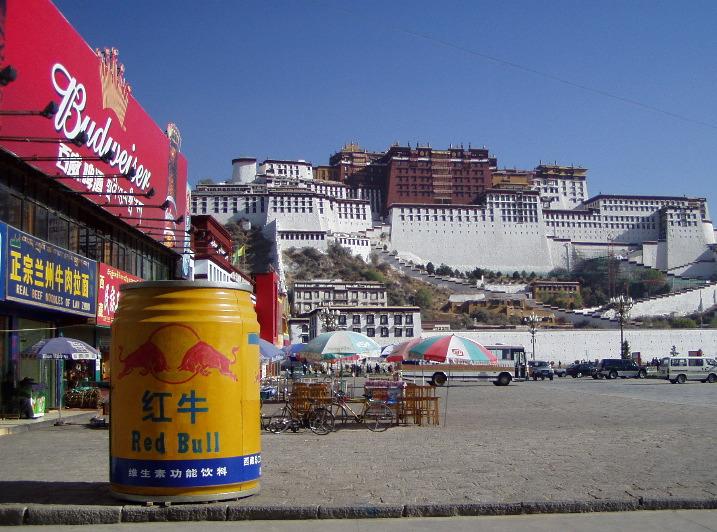
Red Bull is a widely distributed energy drink brand built around a compact, highly caffeinated beverage and a global marketing machine. The product traces its origin to a Thai functional tonic called Krating Daeng (literally “Red Bull”), which was adapted for international markets in the 1980s. Today Red Bull is identified by its slim cans, a formula combining caffeine, amino acids and B vitamins, and a distinctive advertising strategy that emphasizes extreme sports, music and youth culture.
Image gallery
4 Images

Composition and product variants
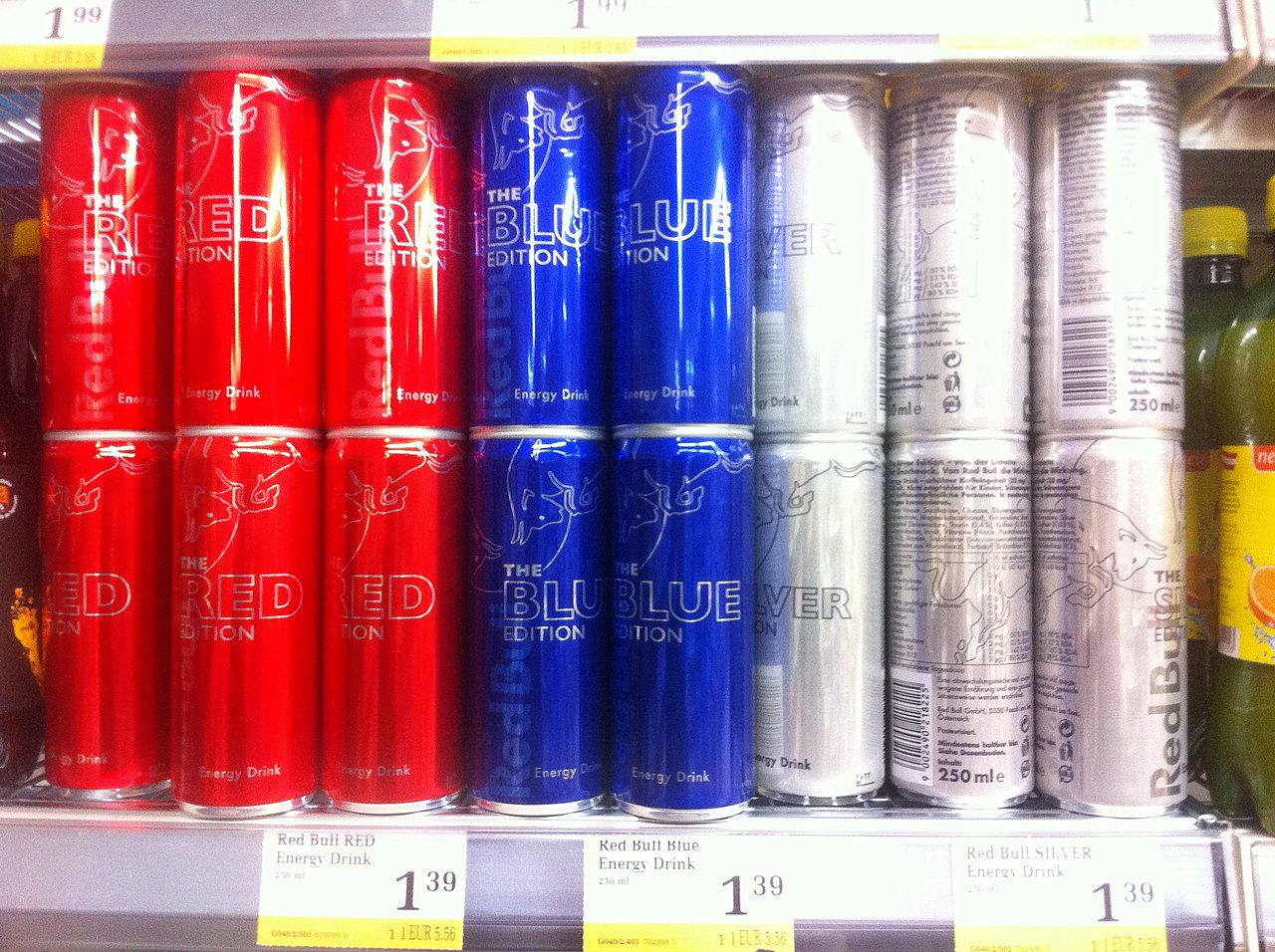
The core formulation has historically contained caffeine, taurine, glucuronolactone and a mixture of B vitamins, with sugar in the original version and sugar‑reduced or sugar‑free options introduced later. Over time the brand expanded from a single flavor to multiple editions and sizes—some sugar‑free, some with alternative sweeteners or added flavoring. Nutritional profiles differ across these variants and by country, reflecting local regulations and consumer preferences.
Origins, founders and corporate structure
The international company grew from a partnership between the Thai creator of Krating Daeng and an Austrian entrepreneur. The business arrangement combined the recipe and local brand with a new international marketing and distribution strategy led by Dietrich Mateschitz, an Austrian businessman, who helped establish the product for Western consumers. The beverage is manufactured and distributed by the privately held company Red Bull GmbH, whose ownership structure historically involved the Thai family that developed Krating Daeng and partners responsible for global operations.
Marketing, sports and cultural presence
Red Bull is as well known for its promotional activities as for its drink. The company’s slogan—"it gives you wings"—became widely recognizable and was supported by a mix of traditional and unconventional advertising. Red Bull invests heavily in event sponsorship, athlete endorsements and media production, operating its own record label, Red Bull Records, and creating branded competitions and content series. It also owns and sponsors numerous sports teams and events, notably in motorsport and football. Examples include:
- Red Bull Racing (Formula One team)
- Scuderia Toro Rosso (a sister Formula One team, later rebranded)
- Red Bull New York (a Major League Soccer franchise)
- Other teams and events in ice hockey, soccer and air racing
Controversies and safety considerations
Red Bull has been the subject of public and regulatory attention around health effects associated with caffeine and mixing energy drinks with alcohol. In one notable incident involving a cola product exported from Austria, small trace amounts of cocaine were detected in 2009, prompting recalls and investigations; that event related to a specific formulation and supply chain issue rather than the mainstream energy drink formula. Independent and governmental bodies have reviewed ingredient safety; for example, assessments concluded that typical levels of taurine and glucuronolactone used in mainstream energy drinks do not pose a safety concern for the general population when consumed in moderation. Nonetheless, medical advice commonly warns vulnerable groups—such as children, pregnant people and individuals with certain heart conditions—to limit intake.
Significance and distinctions
Red Bull played a major role in creating the global energy‑drink category, combining a stimulant formulation with heavy branding and event marketing to build one of the most recognizable beverage labels worldwide. Its business model emphasizes lifestyle association and direct ownership of sponsored sporting assets, which sets it apart from many conventional beverage companies. As a consumer product, it is often compared with other caffeinated drinks, but its market position is distinctive because of the integrated promotional ecosystem around the brand.
For further reading on corporate history, product variants and sponsorships, consult manufacturer materials and independent market analyses via the company’s official channels and third‑party reports: energy drink overview, Krating Daeng history, Red Bull GmbH, and pages associated with the teams and properties listed above.
Questions and answers
Q: What is Red Bull?
A: Red Bull is an energy drink based on the Thai soda Krating Daeng, which translates as "Red Bull". It is the most popular energy drink in the world.
Q: Who founded Red Bull?
A: Red Bull was founded by Thai national Chaleo Yoovidhya and Austrian national Dietrich Mateschitz.
Q: How much of the company does Chaleo Yoovidhya and his son own?
A: Chaleo Yoovidhya and his son own 51 percent interest in the company.
Q: What is Red Bull's slogan?
A: The slogan for Red Bull is "it gives you wings".
Q: What sports teams does Red Bull sponsor or own?
A: Red Bull sponsors or owns a number of sports teams including, but not limited to, Red Bull Air Race, Red Bull Crashed Ice, Red Bull Racing, Scuderia Toro Rosso, EC Red Bull Salzburg, FC Red Bull Salzburg, RB Leipzig and more.
Q: Does cocaine appear in any of their products?
A: In 2009 it was discovered that some exported versions of their product called 'Red Cola' contained trace amounts of cocaine.
Q: Are there any health risks associated with drinking this beverage?
A: There have been criticisms about possible health risks associated with drinking this beverage; however the European Food Safety Authority (EFSA) concluded that levels of taurine and glucuronolactone used in this product are safe.
Related articles
Author
AlegsaOnline.com Red Bull (energy drink) Leandro Alegsa
URL: https://en.alegsaonline.com/art/81640
Sources
- energydrink-us.redbull.com : "Who makes Red Bull? Red Bull Company - Origin & founder :: Energy Drink :: Red Bull USA"
- businessweek.com : "Energy Drinks Build Their Buzz"
- biz.yahoo.com : "Red Bull GmbH Company Profile"
- energyfiend.com : "The Top 15 Energy Drink Brands"
- nypost.com : "Pump the Music: Red Bull Eyes Starting Branded Music Label - NYPost.com"
- msnbc.msn.com : "Red Bull pulled in Germany after cocaine test - Europe- msnbc.com"
- newsmeat.com : "Newsmeat ▷ Traces of Cocaine Found in Red Bull in Hong Kong"
- enuws.com : "Cocaine test prompts Red Bull removal in Germany (AP)"
- abc.net.au : "Taiwan confiscates cocaine-laced energy drinks - ABC News (Australian Broadcasting Corporation)"
- patrickhenrypress.info : "Red Bull Cola's Secret Ingredient: Cocaine!"
- sciencedirect.com : "Heart, Lung and Circulation : Acute Effects of Red Bull on Platelet and Endothelial Function"
- doi.org : 10.1016/j.hlc.2008.05.055
- economist.com : "Face value | Selling energy"
- forbes.com : "Magazine Article"
- fundinguniverse.com : "Red Bull GmbH Company History"