
Relish: Definition, Varieties, History and Culinary Uses
Relish is a condiment made from chopped, cooked or pickled vegetables or fruits. This article explains types, preparation, cultural variations, culinary uses, and how it differs from pickles and chutneys.
Overview
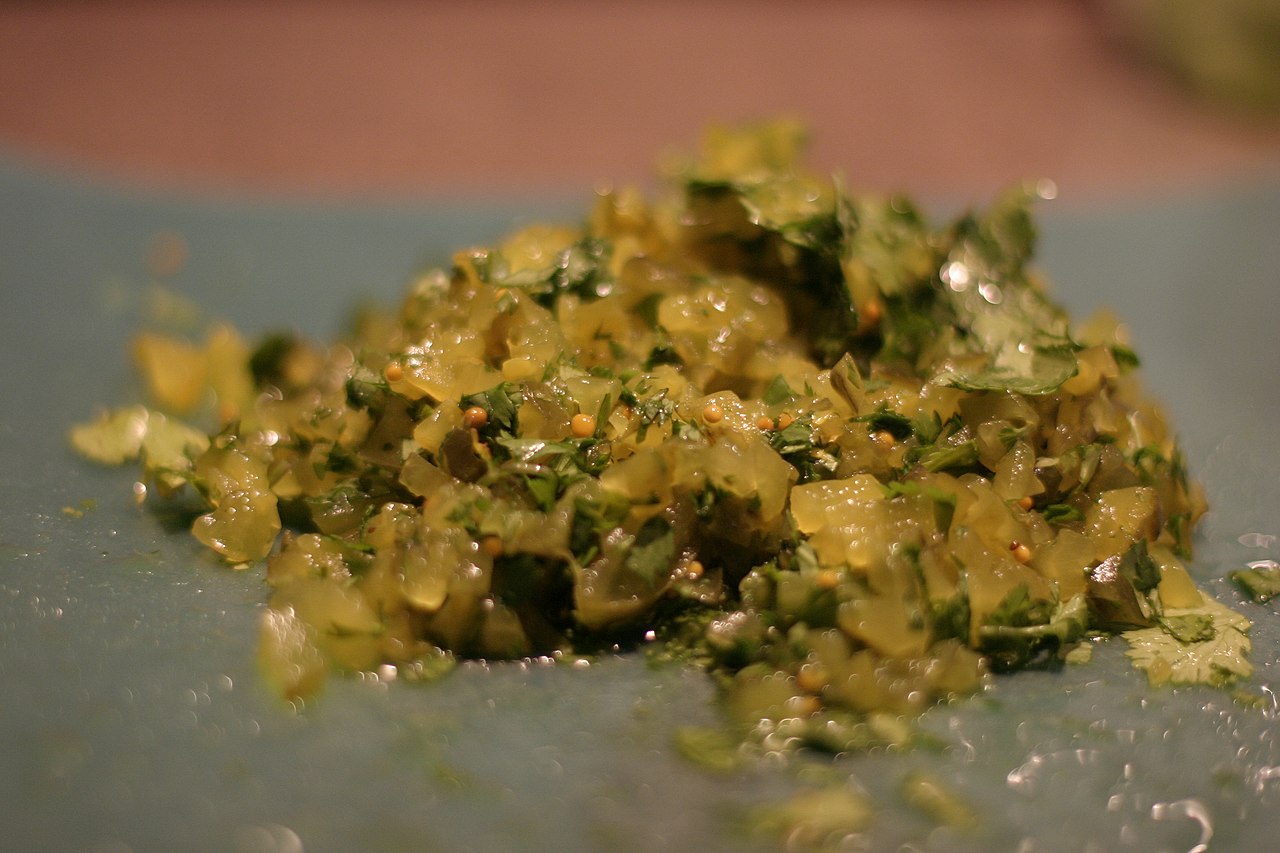
A relish is a prepared condiment made by chopping, cooking, fermenting or pickling vegetables or fruits into a coarse, spoonable mixture. Relishes are designed to add texture, acidity, sweetness or heat to dishes. They are usually served in small amounts alongside main foods, and may be fresh, cooked, sweet, sour or spicy.
Image gallery
8 Images





Ingredients and preparation
Common base ingredients include onions, cucumbers, peppers, tomatoes, corn and various fruits. Preparation methods vary: some relishes are quick-made from raw ingredients mixed with vinegar and sugar; others are simmered until jam-like. A relish may be preserved through canning, refrigeration or fermentation. See general categories of raw components: vegetables and fruits.
Varieties and examples
- Sweet pickle relish — finely chopped, sweetened pickled cucumbers often used on hot dogs.
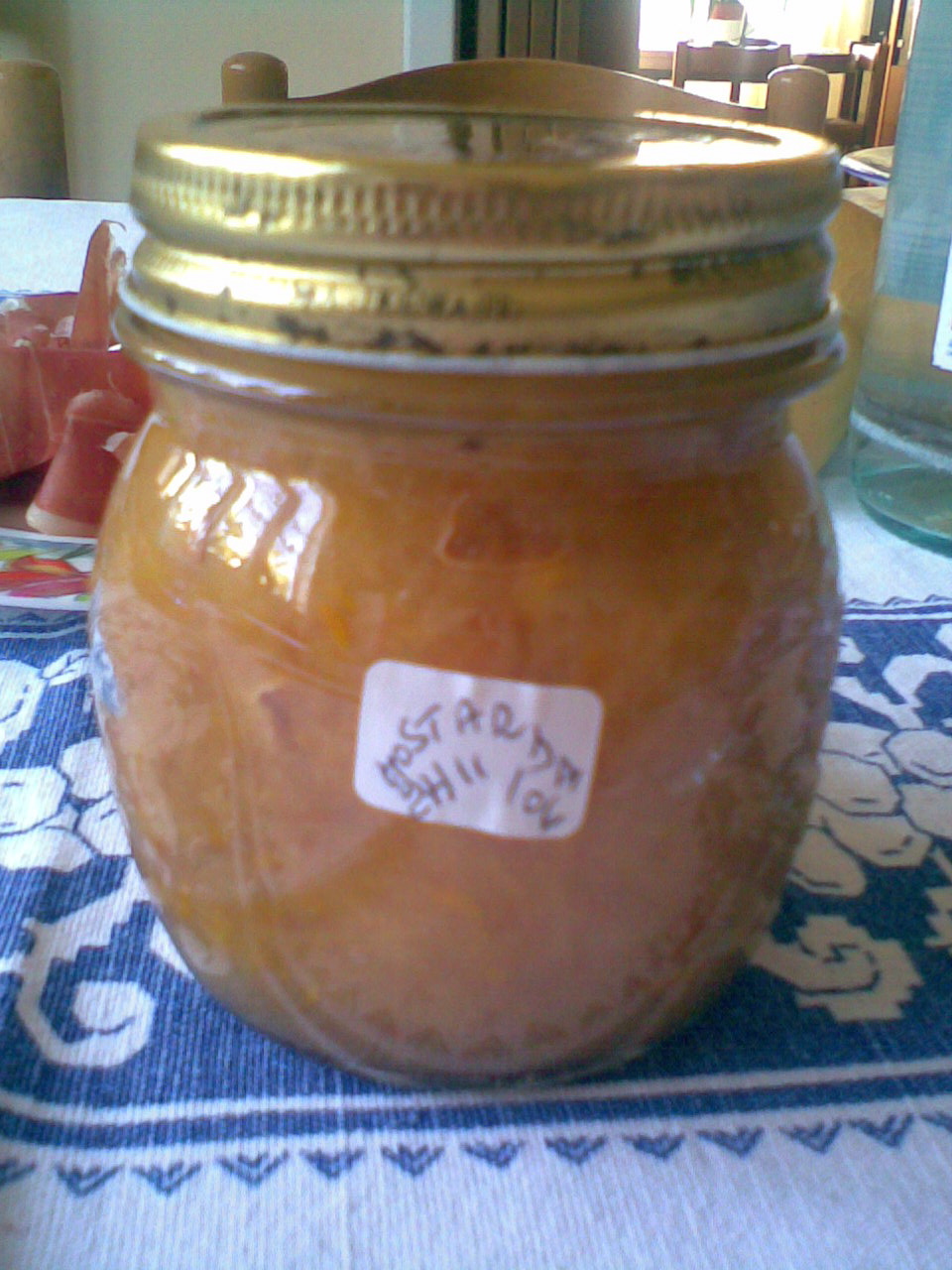
- Mustard relish — prepared with mustard seed or powder for a pungent profile.
- Corn relish — cooked corn with peppers and vinegar.
- Fruit relish — made from apples, mangoes or other fruits, similar to chutney.
History and cultural variation
Relishes developed as a method of preserving seasonal produce and enhancing bland staple foods. Many cuisines have parallel condiments: British piccalilli, South Asian chutneys and American sweet relishes all reflect local ingredients and preservation techniques. Over time relishes became mass-produced as jarred condiments in grocery markets.
Uses, distinctions and practical notes
Relish is used to finish sandwiches, burgers, sausages and cold salads or to provide contrast on a plate. It differs from whole pickles (which are intact-picked vegetables) and from smooth sauces by its chunky texture. Compared with chutney, relishes are often less spiced and may emphasize a single dominant flavor. For safety, follow standard canning and storage guidance when preserving relishes at home.
Related articles
Author
AlegsaOnline.com Relish: Definition, Varieties, History and Culinary Uses Leandro Alegsa
URL: https://en.alegsaonline.com/art/82047
Sources
- ams.usda.gov : "Grades and Standards - Agricultural Marketing Service"
- books.google.com : The Oxford companion to American food and drink