
Legal concept of reasonable accommodation: enabling access in work, education, and services
Legal overview of reasonable accommodation: how adjustments in work, education and public services enable equal participation, with legal standards, examples and limits like undue hardship.
Reasonable accommodation refers to adjustments or supports provided to enable people with impairments or those in vulnerable social positions to participate on an equal basis with others. These measures are intended to remove barriers arising from a person’s circumstances while avoiding requirements that would impose an excessive burden on the provider.
Image gallery
2 Images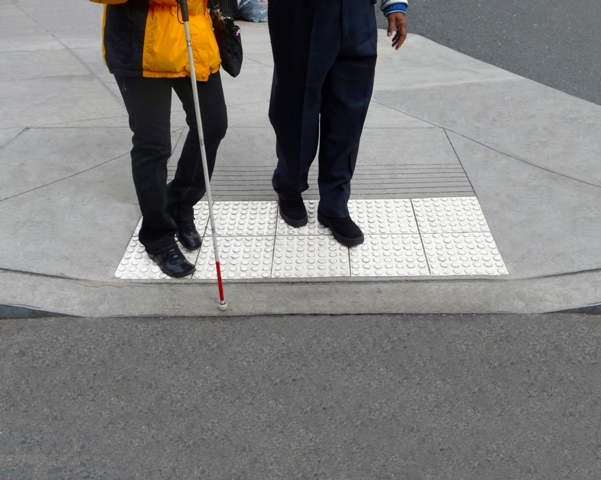

Meaning and purpose
The concept aims to address disadvantages experienced by people with disabilities and by members of minority groups or other disadvantaged populations. Accommodations can be physical, procedural, or technological changes that enable participation in work, education, public life, or access to services.
Legal origins and use
The phrase and its legal application developed through case law and statutes in American and Canadian contexts, where courts and tribunals considered claims brought in lawsuits to eliminate unlawful discrimination. It is frequently applied in employment settings to require employers to modify workplaces or job duties so that employees can perform essential functions of a job.
At the international level, the principle is incorporated into the Convention on the Rights of Persons with Disabilities, which defines reasonable accommodation as necessary and appropriate modifications and adjustments that do not impose a disproportionate or undue burden.
Common examples
- Workplace changes such as flexible schedules, modified duties, assistive equipment, or accessible facilities.
- Educational adjustments including extra time for exams, accessible learning materials, or classroom aides.
- Public-service adaptations like accessible communication formats, auxiliary aids, or alternative application procedures.
Limits and assessment
Whether an accommodation is required depends on context. Decision-makers usually weigh factors such as cost, available resources, health and safety implications, and whether the change would fundamentally alter the nature of a service or job. Legal frameworks commonly use standards like “undue hardship” or “disproportionate burden” to set these limits.
Terminology and practice
Different jurisdictions may use alternative terms (for example, “reasonable adjustment”) or have specific procedural rules for requesting and implementing accommodations. In practice, the process is typically interactive: the person seeking support and the provider discuss possible solutions, aiming for a reasonable, effective accommodation that respects the rights and constraints of both parties.
Related articles
Author
AlegsaOnline.com Legal concept of reasonable accommodation: enabling access in work, education, and services Leandro Alegsa
URL: https://en.alegsaonline.com/art/81508
Sources
- finduslaw.com : Americans with Disabilities Act of 1990, Subtitle I, Employment, sec 9