
Reconstruction Amendments
The Thirteenth, Fourteenth and Fifteenth Amendments (1865–1870) that abolished slavery, established equal protection and extended voting rights after the U.S. Civil War.
Overview
The term "Reconstruction Amendments" refers to the three constitutional amendments enacted in the decade after the American Civil War: the Thirteenth Amendment, the Fourteenth Amendment, and the Fifteenth Amendment. Adopted between 1865 and 1870 during the federal Reconstruction era, these amendments aimed to redefine citizenship, protect civil rights, and secure political participation for formerly enslaved people and their descendants following the Civil War.
Image gallery
7 Images



Key provisions
The three amendments are distinct but related:
- Thirteenth Amendment: abolished slavery and involuntary servitude, with a known exception permitting punishment for crime.
- Fourteenth Amendment: defined national citizenship, limited states' ability to abridge fundamental rights, and introduced the due process and equal protection principles that constrain state governments.
- Fifteenth Amendment: prohibited denying a citizen the vote based on "race," "color," or "previous condition of servitude," aiming to secure electoral rights regardless of status.
Historical background and ratification
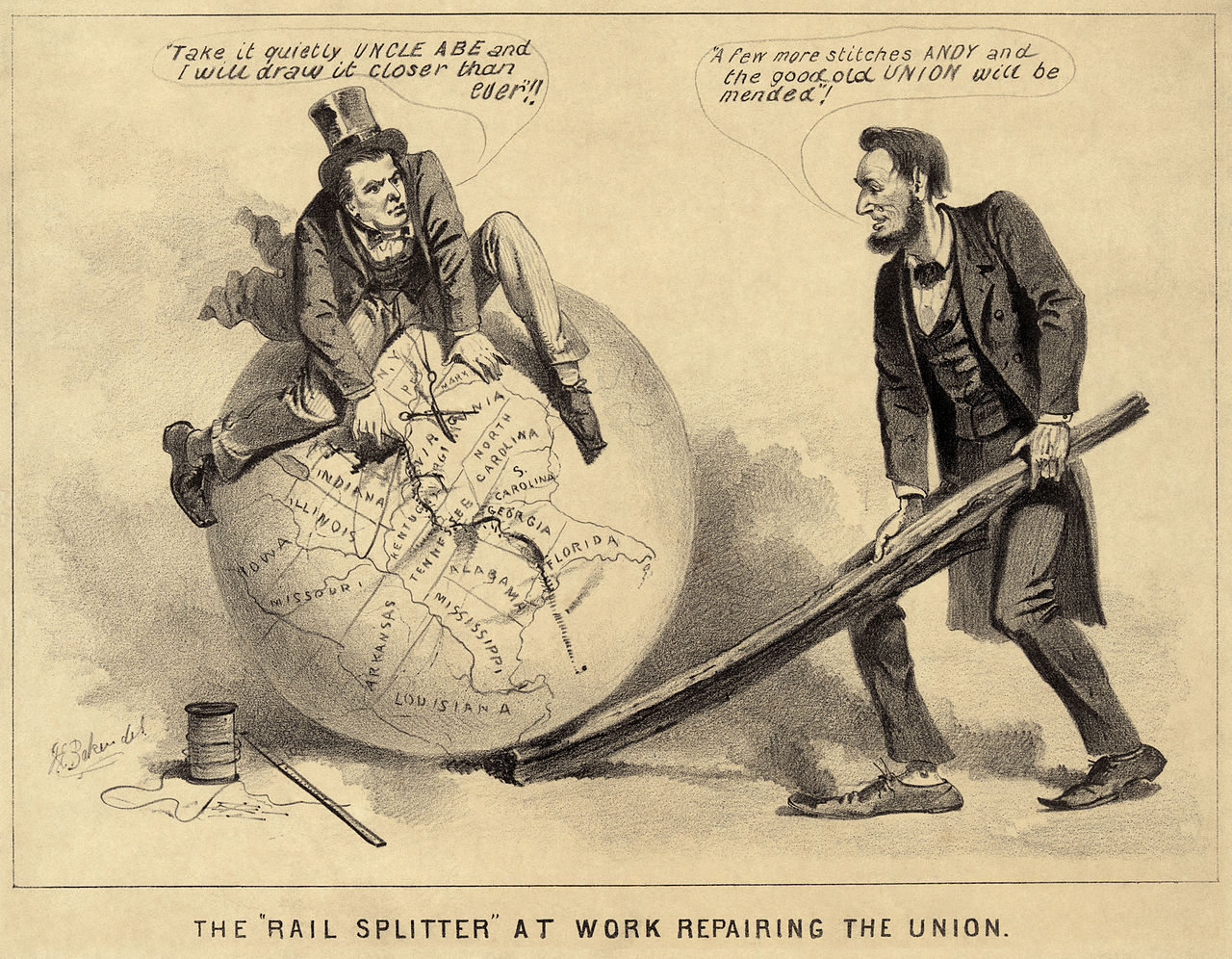
The amendments were born of wartime emancipation and postwar politics. Many lawmakers in the North and in Congress saw them as necessary to transform a nation that had been "half slave and half free" into one with constitutional guarantees for all people, including the millions of formerly enslaved Americans. Politicians and activists debated language and enforcement; leaders such as Abraham Lincoln had framed emancipation as a national turning point, and Reconstruction legislation sought to implement that change across the former Southern states.
Enforcement, limits, and later interpretation
Each amendment includes or implies a federal enforcement role: Congress was given authority to enact laws to carry them into effect. Over the following decades the scope of these powers was litigated and refined in courts and statutes. The Fourteenth Amendment in particular became the vehicle for applying many federal rights to the states through a doctrine often called "incorporation." Despite constitutional text, restrictive state practices, discriminatory laws, and judicial decisions limited their immediate effect—leading to segregated institutions and voting barriers until the civil rights movement and subsequent federal legislation and court rulings expanded protections.
Importance and legacy
The Reconstruction Amendments remain foundational in American constitutional law. They abolished slavery, created a national definition of citizenship, established equal protection and due process as constitutional limits on state power, and attempted to bar racial discrimination in voting (voting rights). Their passage transformed legal relationships between individuals, states, and the federal government and provided the constitutional basis for later civil rights reforms and litigation against discrimination.
Notable facts and distinctions
Some aspects of these amendments are often noted in legal and historical discussion: the Thirteenth Amendment's narrow exception for criminal punishment; the Fourteenth Amendment's multiple clauses (citizenship, privileges or immunities, due process, and equal protection); and the Fifteenth Amendment's focus on race and prior servitude rather than on sex or literacy, which left other exclusions in place. Their implementation was uneven, and achieving their promises required later political struggle, legislation, and judicial interpretation.
For introductory reading and primary texts, see the full amendment texts and reputable historical summaries: race-related analysis, color-based provisions, and broader overviews available through legal and educational resources (historical perspectives, constitutional commentary, civil rights timelines). Additional materials on Reconstruction policy and its long-term effects are available from scholarly and archival collections (presidential records, congressional debates, and state-level archives linking Southern records to national policy).
Questions and answers
Q: What are the Reconstruction Amendments?
A: The Reconstruction Amendments are the Thirteenth, Fourteenth, and Fifteenth amendments to the United States Constitution, adopted between 1865 and 1870.
Q: What was the purpose of these amendments?
A: The amendments were important in carrying out the reconstruction of the southern states after the Civil War. They aimed to change the United States from a country that was "half slave and half free" to one in which constitutionally guaranteed "blessings of liberty" would be extended to all people, including former slaves and their descendants.
Q: What did the Thirteenth Amendment do?
A: The Thirteenth Amendment (proposed and ratified in 1865) abolished slavery.
Q: What did the Fourteenth Amendment do?
A: The Fourteenth Amendment (proposed in 1866 and ratified in 1868) created a privileges and immunities clause applicable to all citizens; it also made due process and equal protection clauses applicable to all persons.
Q: What did the Fifteenth Amendment do?
A: The Fifteenth Amendment (proposed in 1869 and ratified in 1870) prohibited discrimination against citizens when voting on basis of race, color or previous condition of servitude.
Q: Who proposed these amendments?
A: These amendments were proposed by northern politicians following the Civil War.
Related articles
Author
AlegsaOnline.com Reconstruction Amendments Leandro Alegsa
URL: https://en.alegsaonline.com/art/81579
Sources
- gilderlehrman.org : Foner, Eric. "The Reconstruction Amendments: Official Documents as Social History." Gilderlehrman.org. The Gilder Lehrman Institute of American History, n.d. Web. 5 Dec. 2012
- archives.gov : "13th Amendment to the U.S. Constitution: Abolition of Slavery." Archives.gov. National Archives, n.d. Web. 5 Dec. 2012.
- archives.gov : "The Constitution of the United States: Amendments 11-27"