
Reformatory (juvenile reform school)
A reformatory was an institutional school or detention facility for young offenders, common in the 19th and early 20th centuries, emphasizing separation from adult prisons, education, and vocational training.
Overview
A reformatory, also called a reform school or school reformatory, was an institution created to house and attempt to rehabilitate children and adolescents who had committed crimes or were deemed delinquent. Developed primarily in the 19th and early 20th centuries, reformatories sought to provide an alternative to sending young people to adult prisons by combining confinement with instruction, discipline and work.
Image gallery
1 Image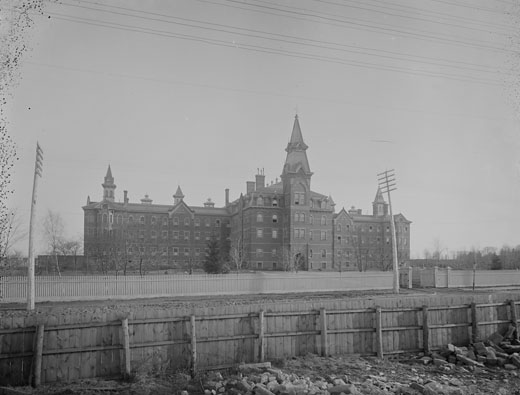
Characteristics
Although details varied by country and era, most reformatories shared several defining features:
- Separation from adults: Young offenders were kept apart from adult prisoners to avoid exposure to hardened criminals.
- Education and moral instruction: Basic schooling, religious or moral lessons, and behavior management were emphasized.
- Vocational training and labor: Practical trades—such as farming, carpentry, sewing or workshop work—were taught to prepare residents for work after release.
- Discipline and routine: Strict daily schedules, rules and punishments were common; conditions ranged from benevolent to harsh.
History and development
Reformatories emerged amid social and legal changes during the industrial era, when rapid urbanization and concern for child welfare prompted new responses to juvenile offending. Reformers argued that young people were redeemable through instruction and structured supervision. Over time, criticisms about punitive practices, overcrowding and abuse led to legal reforms, the growth of juvenile courts, and the development of different institutions and community-based services.
Uses, criticisms and legacy
Reformatories served multiple purposes: punishment, protection of the public, vocational training, and social control of marginalized children. They are credited with introducing the idea that juveniles deserve separate treatment from adults, but they have also been criticized for forced labor, corporal punishment, inadequate education and institutional neglect. By the mid-20th century many systems shifted toward welfare-oriented alternatives, probation, foster care and modern juvenile detention centers.
Distinctions
- Reformatories vs. orphanages: reformatories targeted delinquency; orphanages cared for destitute or parentless children.
- Reformatories vs. prisons: reformatories emphasized education and training rather than purely punitive confinement.
- Evolution: some jurisdictions replaced reformatories with specialized juvenile courts, community programs, or age-graded detention facilities such as borstals or juvenile detention centers.
The term "reformatory" survives in historical accounts and legal histories as a key stage in the development of juvenile justice and child welfare systems.
Related articles
Author
AlegsaOnline.com Reformatory (juvenile reform school) Leandro Alegsa
URL: https://en.alegsaonline.com/art/81810