
Bacteroidetes — a diverse phylum of environmental and gut bacteria
Bacteroidetes are a widespread phylum of Gram-negative bacteria that break down complex organic matter in soils, oceans and animal microbiomes. Some species support digestion; others are opportunistic pathogens.
Overview
Bacteroidetes is a large and varied phylum of Gram-negative bacteria found in virtually every habitat on Earth. Members occur in soils, freshwater and marine sediments, on plant surfaces, in sewage and as prominent constituents of animal microbiomes, especially the gastrointestinal tracts and skin of mammals. The phylum contains many distinct lineages and functional groups that share some general physiological traits yet display broad ecological diversity. For a concise summary of its classification see Bacteroidetes overview.
Image gallery
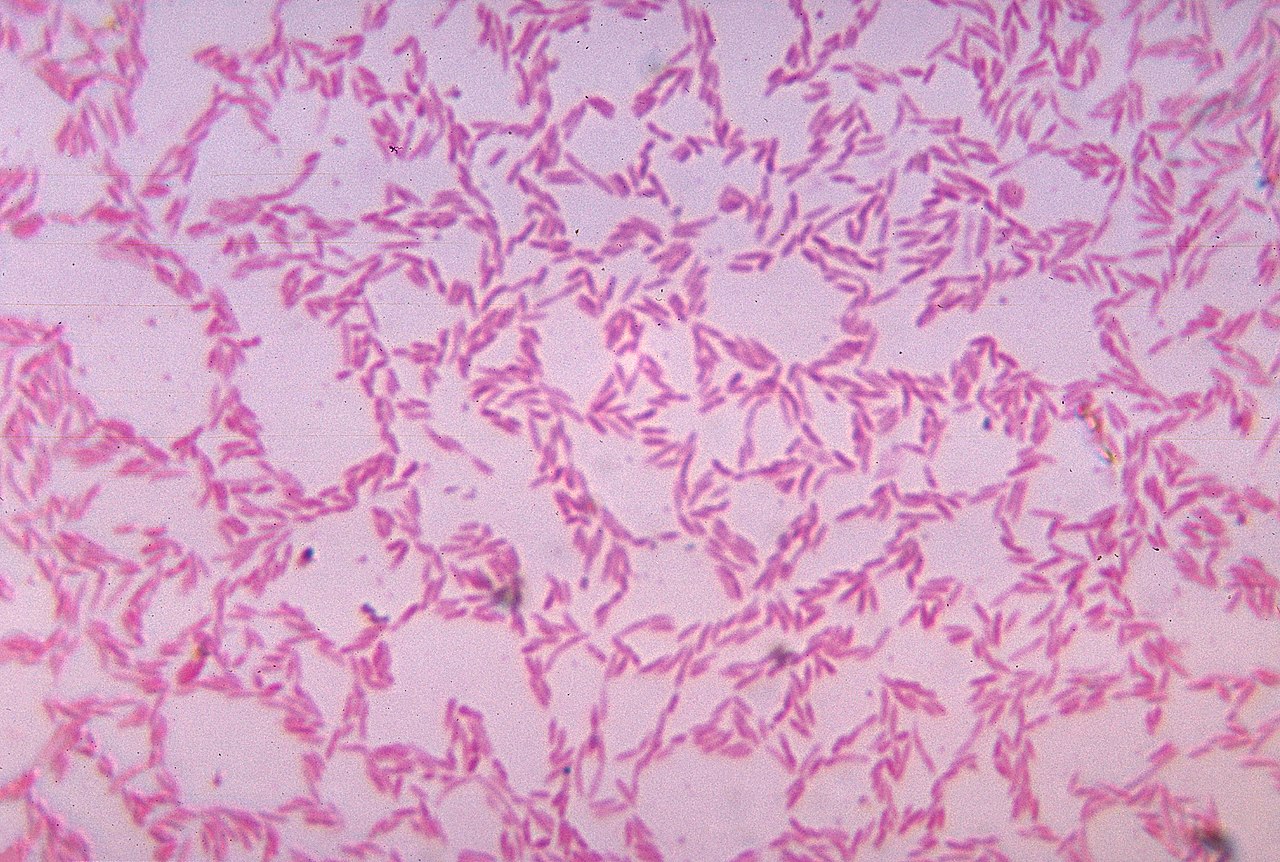
3 Images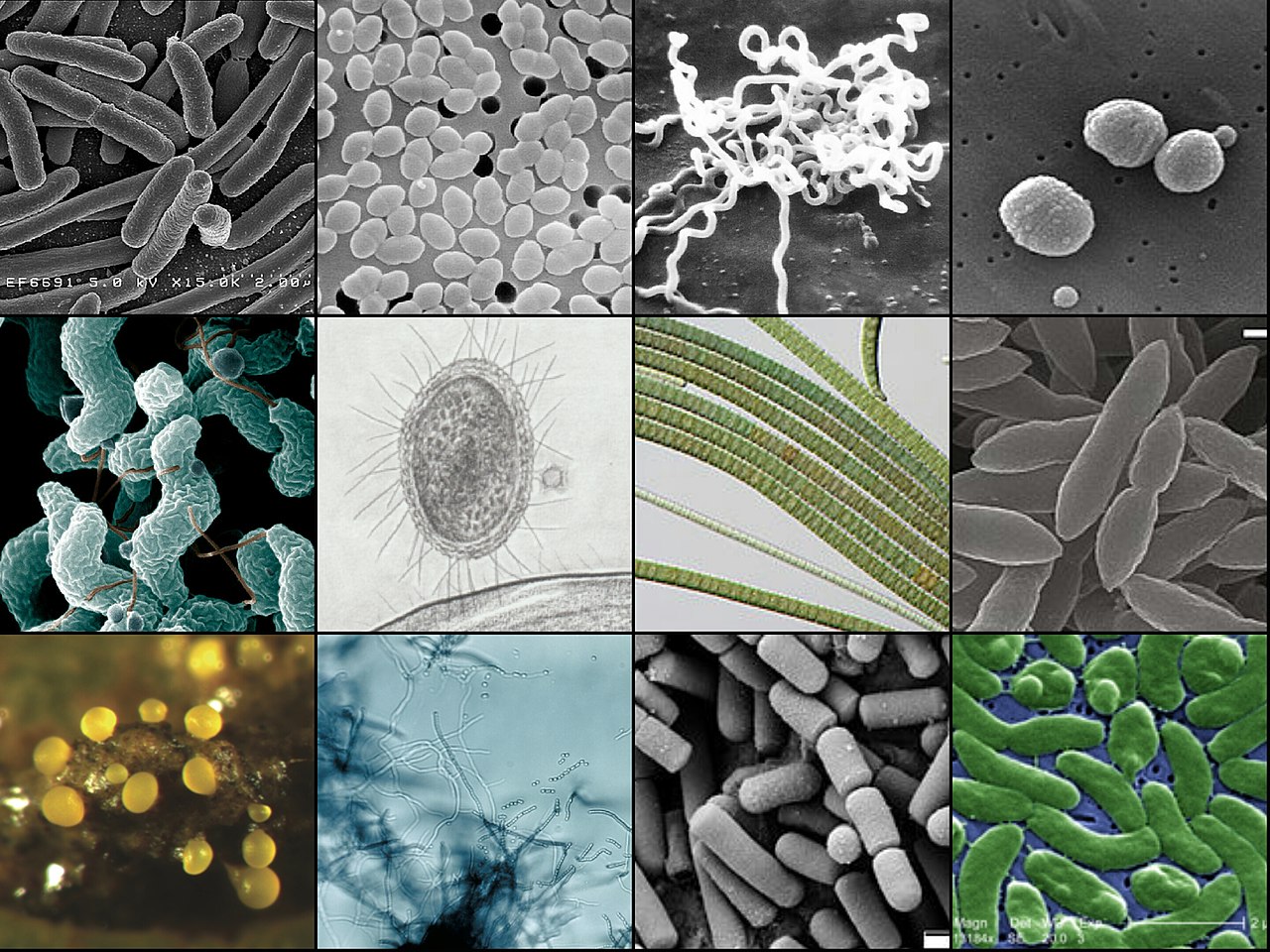

Key characteristics
Typical Bacteroidetes are non-spore-forming, rod-shaped cells with an outer membrane characteristic of Gram-negative bacteria. Many exhibit gliding motility and possess complex enzyme systems for degrading high-molecular-weight organic compounds. They are notable for carbohydrate-active enzymes (CAZymes) and proteases that allow them to cleave polysaccharides and proteins into smaller molecules. Their metabolic activity often yields short-chain fatty acids and other fermentation products important in ecosystem nutrient cycles. For their role in protein breakdown see protein degradation.
Taxonomy and groups
The phylum is subdivided into numerous classes and families. Traditionally it has been divided into groups such as Bacteroidia, Flavobacteria, Sphingobacteria, Cytophagia, Saprospiria and Chitinophagia, among others. Source material has described around 7000 named subgroups, reflecting extensive diversity across environments. Taxonomic frameworks continue to be refined as genome sequencing and phylogenomic methods reveal relationships between lineages.
Ecological roles and importance
Bacteroidetes perform essential decomposition functions. In soils and aquatic systems they break down plant-derived polymers such as cellulose, chitin and complex polysaccharides, contributing to carbon cycling and nutrient turnover. In animal guts, particularly those of mammals, some genera specialize in digesting dietary fiber and complex host-derived glycans; their fermentation products can be important energy sources for the host and other microbes. Marine members of Flavobacteria and related groups are key players in degrading algal biomass.
Medical relevance and pathogenicity
While many Bacteroidetes are beneficial or benign, certain species can cause disease when they translocate from their usual niches. Members of the genus Bacteroides are common gut residents but may act as opportunistic pathogens if they enter sterile body sites, leading to abscesses or systemic infections. Overall, pathogenicity is concentrated in a relatively small subset of taxa; most environmental lineages do not cause human disease. For general information on disease-causing potential see pathogenicity and for the clinical significance of particular genera see Bacteroides genus.
Research methods and applications
Modern studies of Bacteroidetes use 16S rRNA surveys, metagenomics and cultured isolates to connect genetic potential to ecological function. Their diverse enzymes are of interest for biotechnology: industrial carbohydrate-active enzymes, bioconversion of waste biomass, and prospects in bioremediation. Understanding Bacteroidetes in the gut also informs probiotic research and the development of microbiome-based diagnostics and therapies.
Notable distinctions
- Bacteroidetes are distinct from major Gram-positive gut phyla in cell envelope structure and enzyme repertoires.
- Their ability to degrade complex polymers sets them apart as primary recyclers of organic matter in many ecosystems.
- Taxonomy is active and subject to revision as genomic data accumulate.
Related articles
Author
AlegsaOnline.com Bacteroidetes — a diverse phylum of environmental and gut bacteria Leandro Alegsa
URL: https://en.alegsaonline.com/art/8149