
Bacteroides: Characteristics, Ecology, Clinical Importance, and Taxonomy
Bacteroides is a genus of gram-negative, obligate anaerobic bacteria common in the human gut. This article covers their biology, ecological roles, clinical significance, laboratory identification, and taxonomic notes.
Bacteroides is a genus of gram-negative bacteria widely recognized as a dominant group in the human large intestine and other mammals' gut communities. Members of this genus are obligate anaerobes and play a key role in the breakdown of complex dietary polysaccharides, contributing to host nutrition and production of short-chain fatty acids. Several species are also important opportunistic pathogens when they escape the gut, most notably in intra-abdominal infections and abscess formation.
Image gallery
2 Images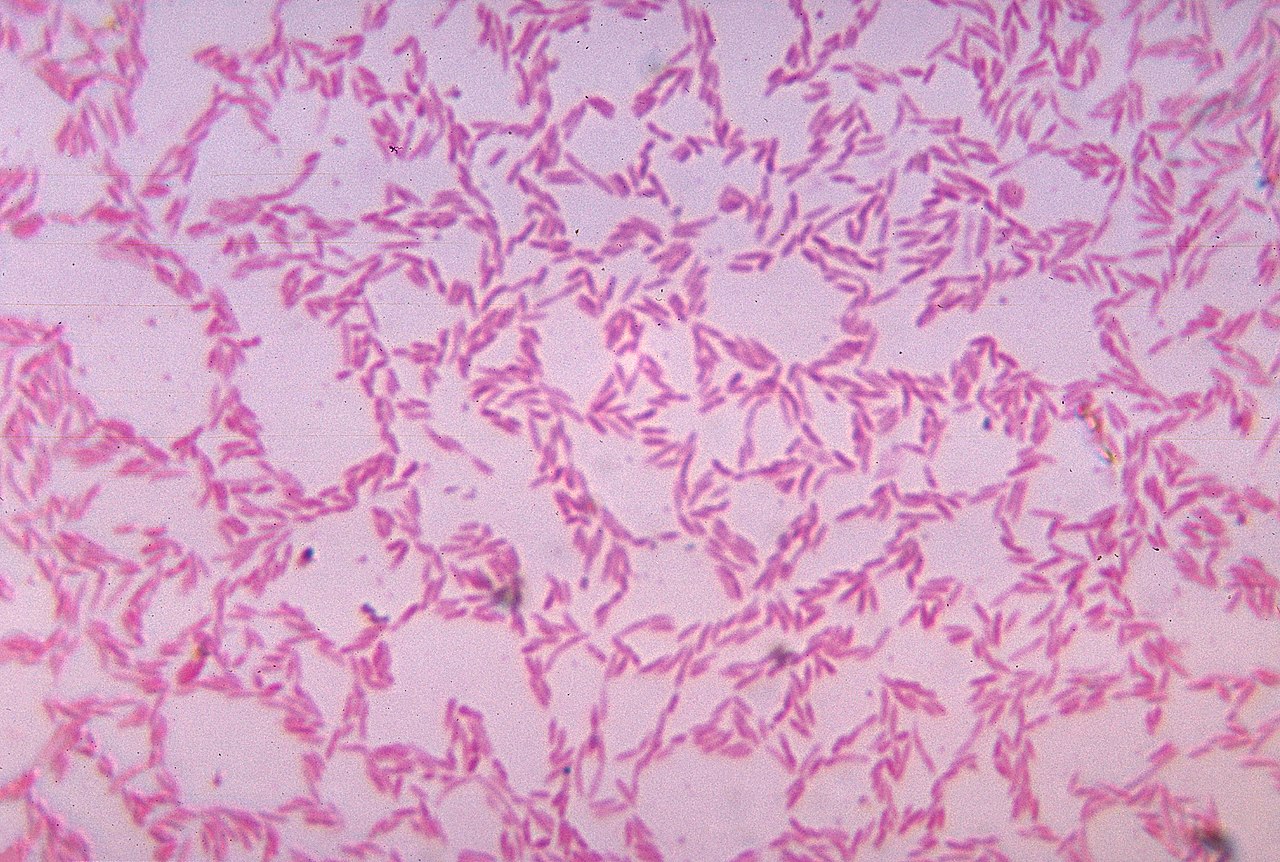

Key characteristics
Bacteroides species share a set of morphological and biochemical traits that distinguish them from many other gut microbes. Typical features include:
- Gram-negative cell envelope architecture and a peptidoglycan layer that contains meso-diaminopimelic acid.
- Obligate anaerobic metabolism; they do not grow in the presence of oxygen and require reduced conditions for culture.
- Non–endospore forming rods; motility varies among species.
- Genomic guanine–cytosine (GC) content generally in the 40–48% range.
- Unusually for bacteria, membranes of many Bacteroides species contain sphingolipids, which are implicated in host–microbe signaling.
For technical summaries and laboratory-oriented data, see reference resource.
Ecology and functional importance
In the gut, Bacteroides species are primary degraders of complex carbohydrates such as plant-derived polysaccharides and host mucins. Their enzymatic capabilities enable conversion of otherwise indigestible substrates into simpler molecules and fermentation products, notably acetate, propionate and other short-chain fatty acids that influence host metabolism and intestinal health. Species like Bacteroides thetaiotaomicron are model organisms for studying polysaccharide utilization.
Interactions with the host immune system are complex: some Bacteroides molecules help educate immune tolerance, while translocation beyond the gut can trigger inflammation and disease. Clinical summaries and case series are available through clinical microbiology overviews at clinical guide.
Taxonomy and history
The genus Bacteroides was delineated in the mid‑20th century as anaerobic, gram‑negative rods isolated from the intestine. Advances in molecular phylogenetics, particularly 16S rRNA gene sequencing, have refined the genus boundaries. Some organisms once placed in Bacteroides have been reclassified into related genera (for example, Prevotella and Parabacteroides) as taxonomists separated lineages based on sequence data and phenotypic traits. For phylogenetic and nomenclature updates consult taxonomic resources.
Laboratory identification and clinical significance
Identification relies on anaerobic culture, biochemical profiling, and increasingly on molecular methods such as 16S rRNA sequencing or mass spectrometry. Clinically important species include Bacteroides fragilis, which is notable for its virulence factors and resistance mechanisms. Treatment of Bacteroides-associated infections often requires surgical drainage plus antibiotics active against anaerobes; rising rates of resistance make susceptibility testing and awareness of local patterns important. Practical laboratory and treatment guidance is summarized at clinical laboratory guidance.
Research interest in Bacteroides extends into microbiome therapeutics, immune modulation, and metabolism. Their dual role as beneficial commensals and potential pathogens makes them central to studies of host–microbe interactions, antibiotic stewardship, and the development of probiotic or bacteriotherapy approaches.
Related articles
Author
AlegsaOnline.com Bacteroides: Characteristics, Ecology, Clinical Importance, and Taxonomy Leandro Alegsa
URL: https://en.alegsaonline.com/art/8148