
Raw milk: definition, risks, uses and regulation
Milk that has not been pasteurized; prized by some for flavor and traditional uses but regulated because it can carry pathogens. Laws and advice vary by region.
Raw milk refers to animal milk (most commonly from cows, goats or sheep) that has not undergone pasteurization or equivalent heat-treatment to reduce microbial load. Proponents often cite a fresher taste, traditional culinary uses and preserved enzymes or bacteria, while public-health authorities warn that raw milk can carry disease-causing organisms.
Image gallery
7 Images



Characteristics and composition
Like pasteurized milk, raw milk contains water, fat, protein, lactose, vitamins and minerals, together with a natural population of bacteria. That native microflora may include harmless or beneficial species but may also include pathogens such as Salmonella, Escherichia coli and Listeria, which can cause serious illness. The fat content, cream separation and flavor can vary by breed, feed and processing practices, and some artisanal dairy products are made specifically from unheated milk to achieve distinct textures and tastes.
History and development
Until the 19th century most milk was consumed raw or used quickly in home-made products. The practice of heating milk to reduce spoilage and disease — commonly called pasteurization after Louis Pasteur's work on microbial spoilage — became widespread in the late 1800s and early 1900s as a public-health measure. Pasteurization greatly reduced outbreaks of milk-borne illnesses in many countries.
Uses and culinary importance
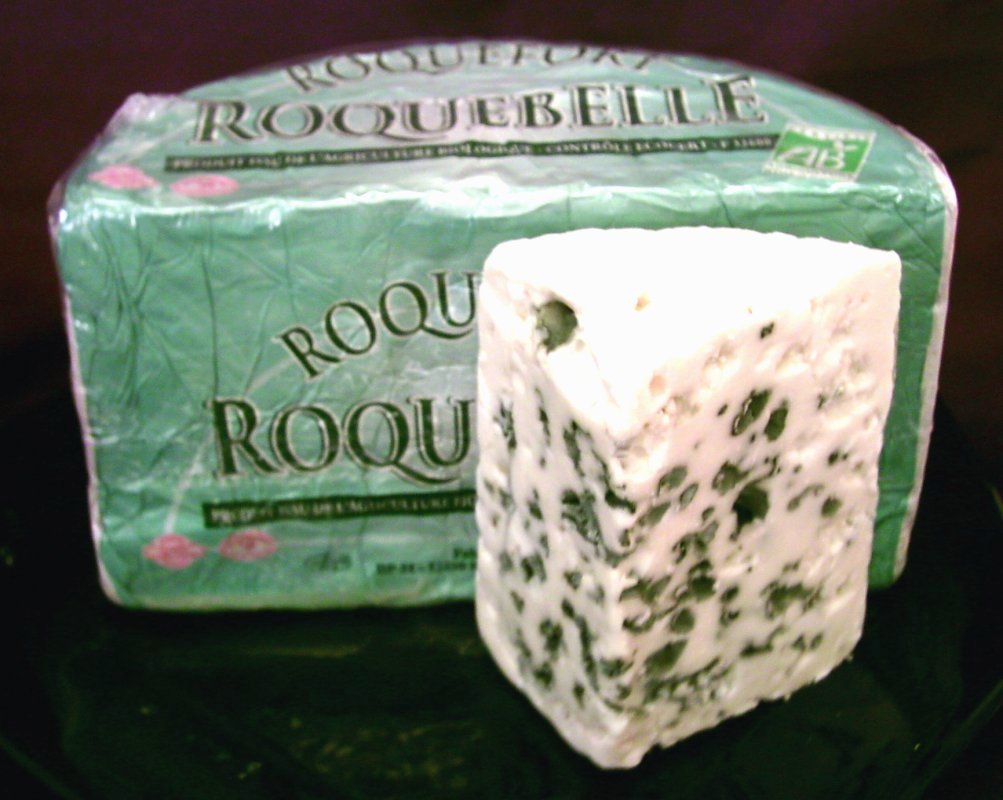
Raw milk is used directly by some consumers and as the base for traditional cheeses, butter and fermented beverages. Certain regional cuisines and artisan cheesemakers prize raw milk for its contribution to flavor complexity. For discussion of how raw milk is viewed locally, see perspectives in different areas such as France or broader regions like the European Union and parts of Asia.
Health risks, claims and regulation
Major medical organizations advise caution or avoidance of raw milk due to the risk of infection, particularly for infants, pregnant people, older adults and those with weakened immune systems. Supporters claim benefits including probiotics and retained enzymes, but scientific reviews find limited evidence for health advantages that outweigh known infection risks. Regulations vary: some countries permit retail sale and artisan production under controls, while others restrict or warn against distribution. For basic definitions and safety discussions see sources on what raw milk is and on pasteurization, and refer to regional rules such as those in the United States.
Practical advice
- Consumers should weigh potential taste and cultural reasons against documented infection risks.
- Vulnerable individuals are generally advised not to consume raw milk or raw-milk products.
- Where raw milk is sold, good hygiene, refrigeration and traceability reduce but do not eliminate risk.
Because laws and scientific advice differ by place and over time, consult local public-health guidance and regulatory information before producing, selling or consuming raw milk and raw-milk products.
Related articles
Author
AlegsaOnline.com Raw milk: definition, risks, uses and regulation Leandro Alegsa
URL: https://en.alegsaonline.com/art/81328