
Range Rover — luxury off‑road SUV by Land Rover
The Range Rover is Land Rover’s flagship luxury sport-utility vehicle line, combining all‑terrain capability with high-end comforts. Covers design, history, variants, uses and recent electrification trends.
The Range Rover is the flagship sport-utility vehicle (SUV) line produced by Land Rover. Positioned as a premium model, it blends serious off-road capability with refined cabin appointments and modern technology. Assembly has long been associated with the British plants at Solihull and Birmingham, and some production has also taken place in Liverpool. The marque is part of the larger Jaguar Land Rover group owned by Tata Motors.
Image gallery
10 Images
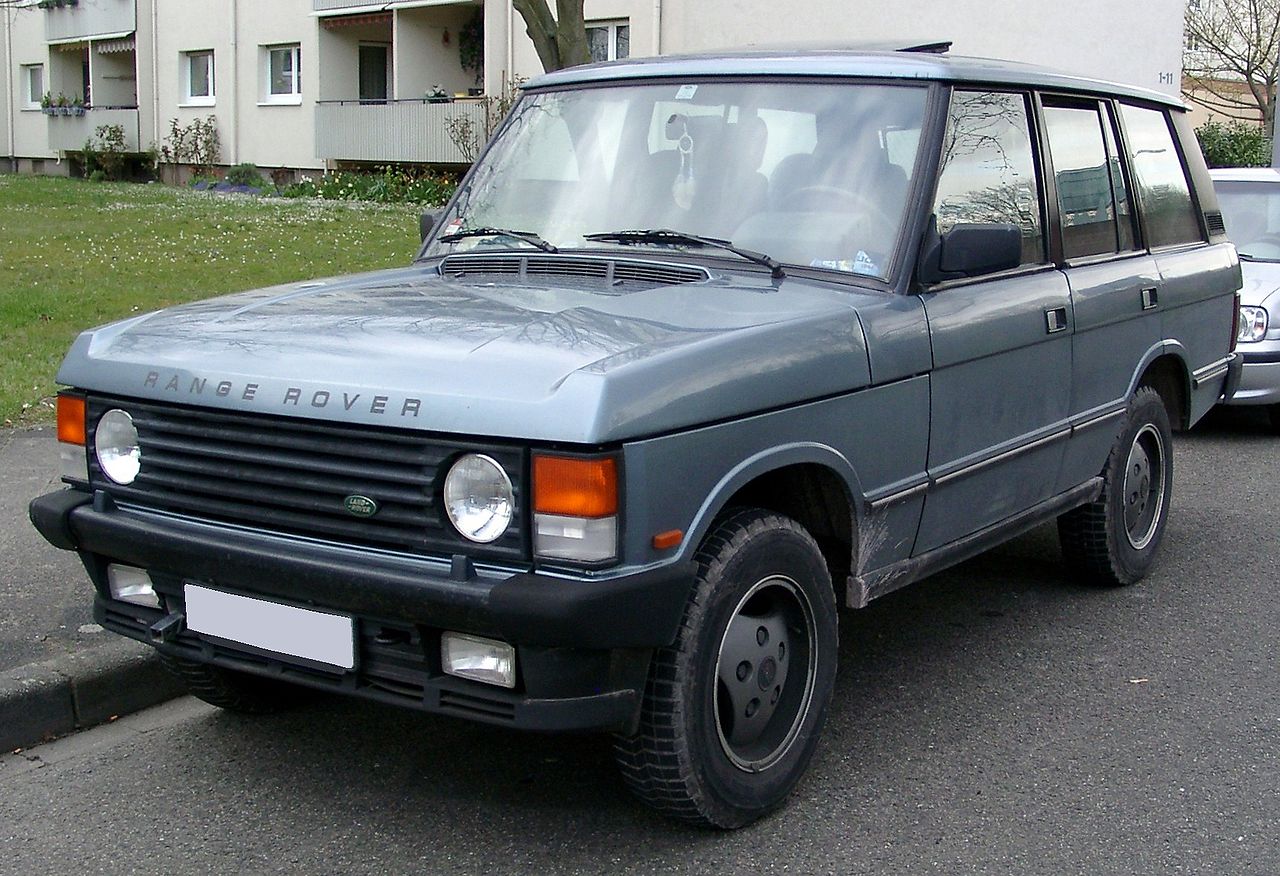


Characteristics and design
Range Rovers are engineered to offer both on-road comfort and off-road competence. Typical features include permanent or selectable four-wheel drive, sophisticated suspension systems that can adjust ride height, and rugged drivetrain components suited to an off-road vehicle role. Inside, materials and finishes are aimed at the luxury market: leather, wood or metal trim, advanced infotainment and extensive driver assistance systems are common. Engine choices historically ranged from V6 to V8 petrol and diesel units; in recent years manufacturers have added turbocharged units and hybrid powertrains to meet emissions and efficiency goals.
Origins and development
The Range Rover emerged as a response to the need for a more comfortable, long‑distance capable vehicle than the original utilitarian Land Rover and comparable models such as the Jeep. Where early workhorses could be washed down with a hose, the Range Rover introduced a higher level of refinement while preserving the ability to tackle rough terrain. Over successive generations the model evolved from a largely utilitarian vehicle to a high-end status product, with each generation adding technology, safety features, and improved on-road manners.
Model family and variants
The Range Rover name now covers a family of vehicles: the full‑size Range Rover, the sportier Range Rover Sport, and mid‑sized or compact models such as the Velar and Evoque. Related Land Rover models, including the Discovery Sport, share platforms and technologies while targeting different buyer needs. Some variants are aimed at urban buyers and emphasize styling and fuel efficiency, while others retain a clear focus on off-road performance.
Uses, reputation and notable facts
Originally popular with rural and estate owners for its ability to navigate country roads and farms, the Range Rover has become a common choice for families, executives and enthusiasts who want SUV practicality combined with luxury. It is often perceived as a status symbol in many markets. The model line has adapted to changing regulations and consumer tastes by introducing plug‑in hybrids and electrified variants, and the manufacturer has signaled a commitment to further reducing CO2 emissions across the range.
Technology and the future
Contemporary Range Rovers include features such as adaptive air suspension, multi‑mode terrain response systems, semi‑autonomous driving aids and connected infotainment. Electrification — including mild hybrids, full hybrids and plug‑in hybrids — is a growing part of the lineup, and all‑electric versions are under development as manufacturers respond to stricter emissions standards and market demand for lower‑emission vehicles.
- Overview: Luxury SUV combining comfort and off‑road systems.
- Origins: Evolved from rugged Land Rover roots to a refined vehicle line.
- Variants: Range Rover, Range Rover Sport, Velar, Evoque and related models.
- Trends: Increasing electrification and advanced driver assistance.
Questions and answers
Q: What is the Range Rover?
A: The Range Rover is an SUV based on the British Land Rover, assembled in Solihull, Birmingham at the Land Rover plant, and sometimes assembled in Liverpool.
Q: Who is the parent company of the Range Rover?
A: The parent company of the Range Rover is Tata's Jaguar Land Rover group.
Q: What is the primary market for the Range Rover?
A: The primary market for the Range Rover was originally for general countryside use, especially for farmers who needed a four-wheel drive off-road vehicle to get around their estate.
Q: Is the Range Rover suitable for family use?
A: Yes, the Range Rover is very suitable for family use and is often used as a normal road car for larger families and for carrying equipment.
Q: What is the engine capacity for Range Rovers?
A: Engine capacity for Range Rovers starts at 3 litres V6 engine, and rises to 5 litres V8 engine.
Q: What are some versions of the Range Rover sold in other countries under different names?
A: Some versions of the Range Rover are sold in other countries under names such as Range Rover Sport, Discovery Sport, Range Rover Velar, and Range Rover Evoque.
Q: Are the newer versions of the Range Rover being adapted to meet modern requirements for lower CO2 emissions and fuel economy?
A: Yes, the newer versions of the Range Rover are being adapted to meet modern requirements for lower CO2 emissions and fuel economy, and are regarded as "compact SUVs" in US terms.
Related articles
Author
AlegsaOnline.com Range Rover — luxury off‑road SUV by Land Rover Leandro Alegsa
URL: https://en.alegsaonline.com/art/81135
Sources
- ifixit.com : "The History of Land Rover"
- landrover-center.com : "Land Rover Announces Discovery Sport L550"
- newsroom.jaguarlandrover.com : "New Discovery Sport: The most capable, versatile premium compact SUV"