
Audiobook — spoken-word recordings: formats, narration, history and uses
An overview of audiobooks: definition, common formats and production, narration styles, history, accessibility benefits, distribution and practical uses for listeners, learners and libraries.
An audiobook is a recorded reading of a text prepared so listeners can experience a book through sound rather than print. Modern productions range from a single narrator reading straight from the page to multi-voice dramatizations with music and sound effects. Audiobooks are distributed on physical media, as downloadable files, and by streaming through apps and services. They are used for entertainment, education, language learning, and to make literature accessible to people with visual impairment or reading disabilities.
Image gallery
4 Images

Common formats and distribution
Audiobooks have been released in several physical and digital formats. Historically, early talking books and commercial recordings appeared on disc and on cassette tapes; many older editions remain on tape and may be found in library collections or private archives — see cassette examples: cassette recordings. Later, compact discs became a widespread physical medium. The digital era brought downloadable files encoded in formats such as MP3 and AAC and specialized accessible formats like DAISY. These files can be transferred to devices or played through dedicated apps and players; technical details on common compressed audio formats can be found at resources about MP3: MP3 information.
Streaming services and subscription platforms now provide on-demand access to large catalogs, while publishers and retailers sell individual titles or sample chapters online—browse or purchase options are commonly available through retail and publisher pages: retailer pages. Libraries offer both physical audiobook collections and digital lending through library platforms and apps. Availability varies by region, publisher agreements, and licensing models.
Production and narration styles
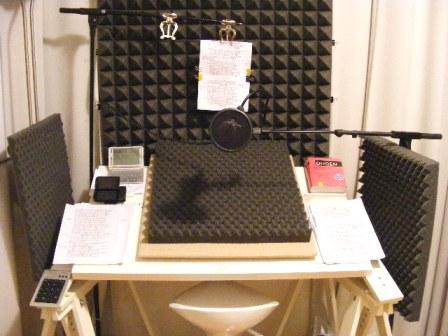
Producing an audiobook typically involves a narrator or cast, a director, recording engineers, and post-production editors. Sessions are recorded in studios or high-quality remote setups. Editors remove errors, manage pacing and continuity, and master files to ensure consistent sound levels. Choices made during production—such as pacing, emphasis, and whether to include music or ambient effects—substantially affect the listener’s experience.
- Single narrator: one performer reads all text; common for many novels and most nonfiction.
- Multiple narrators: different voices for different characters, sections, or points of view.
- Full-cast/dramatic: a staged presentation with actors, sound design, and score, resembling a radio play.
- Author-read: some authors record their own works to convey personal emphasis and pacing.
History and development
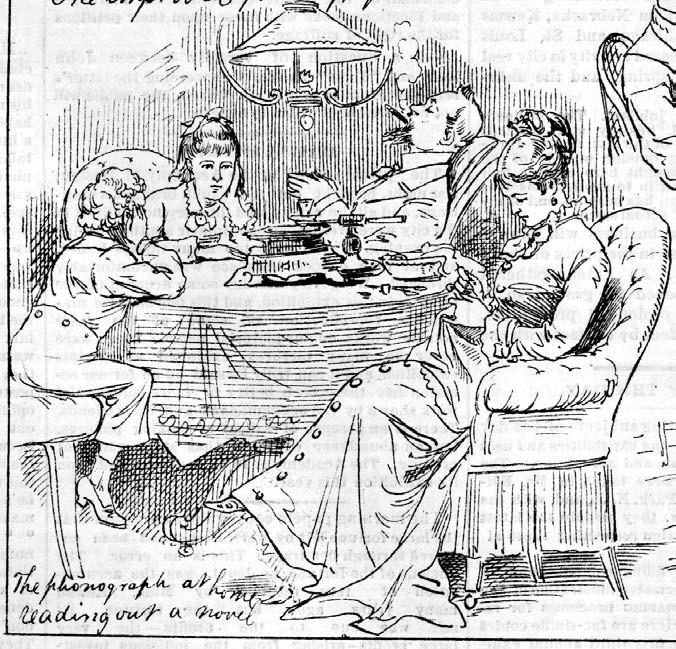
The roots of the audiobook include oral storytelling and radio drama. Recorded and mechanical media enabled commercially available talking books in the 20th century; organizations for readers with vision impairment helped drive early adoption and standardization. The shift from analog tapes and discs to digital files and streaming lowered production and distribution costs and expanded access to backlist titles and niche works. Technological advances in home recording and distribution have also allowed independent authors and small publishers to produce and sell audiobooks more easily.
Uses, benefits, and accessibility
Audiobooks serve a wide range of listeners. They make books accessible to people who are blind or have low vision, and they are a key resource for people with dyslexia and other print disabilities. Accessibility-focused formats, captioning, and audio navigation features help users find and control content—find accessibility information and services here: accessibility information. Educators use audiobooks to support literacy, listening skills, and language acquisition; language learners often benefit from hearing native pronunciation and intonation. Commuters, people who exercise while listening, and those who prefer auditory learning also rely on audiobooks to consume literature and nonfiction.
Markets, rights and professional practice
The audiobook market includes major publishers, independent producers, library distributors, and self-published authors. Audio rights are often negotiated separately from print rights, and contracts may address narrator fees, royalties, and distribution channels. Producers and creators consult trade organizations and platform guidelines for standards on production, metadata, and distribution—consult industry resources and guidance where appropriate: industry guidance.
Practical tips for listeners and institutions
- Adjust playback speed to match comprehension; many apps allow faster or slower rates.
- Use bookmarks, chapter navigation, and note-taking features when studying or using an audiobook for reference.
- For long-form listening, choose high-quality recordings and consider multi-part productions for complex novels.
- Libraries and educators should consider licensing models, format compatibility, and accessibility needs when building collections.
Distinctions and related media
Audiobooks are distinct from podcasts and radio dramas in that they are direct readings or dramatizations of published texts, often tied to a print edition. Production values, length, and the relationship to a published book vary: some are faithful page-for-page readings, others are abridged or adapted. Awards and professional recognition exist for excellence in narration and production, reflecting the creative and technical work involved in turning a written work into an audio experience.
Related articles
Author
AlegsaOnline.com Audiobook — spoken-word recordings: formats, narration, history and uses Leandro Alegsa
URL: https://en.alegsaonline.com/art/7249