
Radiator (heat exchanger for heating and cooling)
A radiator is a heat exchanger that moves thermal energy between a fluid and surrounding air. Used for building heating, vehicle cooling, and many industrial applications, with varied designs and maintenance needs.
A radiator is a device designed to transfer heat from one medium to another. In common usage the term covers household heating units that warm rooms, vehicle heat exchangers that cool engines, and a wide range of industrial assemblies. Despite the name, most radiators move heat mainly by conduction and convection rather than by thermal radiation alone.
Image gallery
7 Images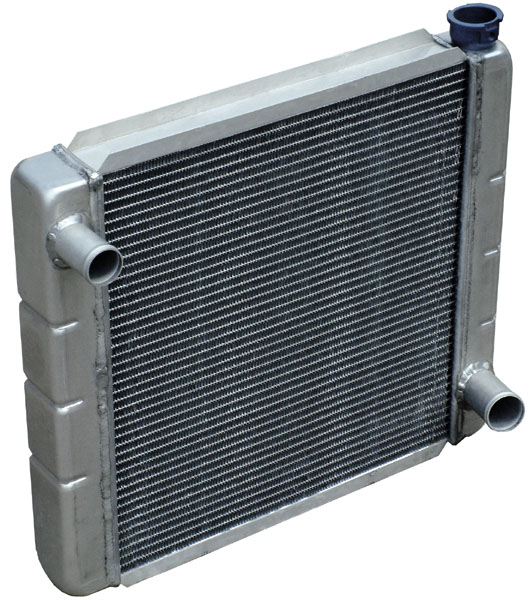




How radiators work
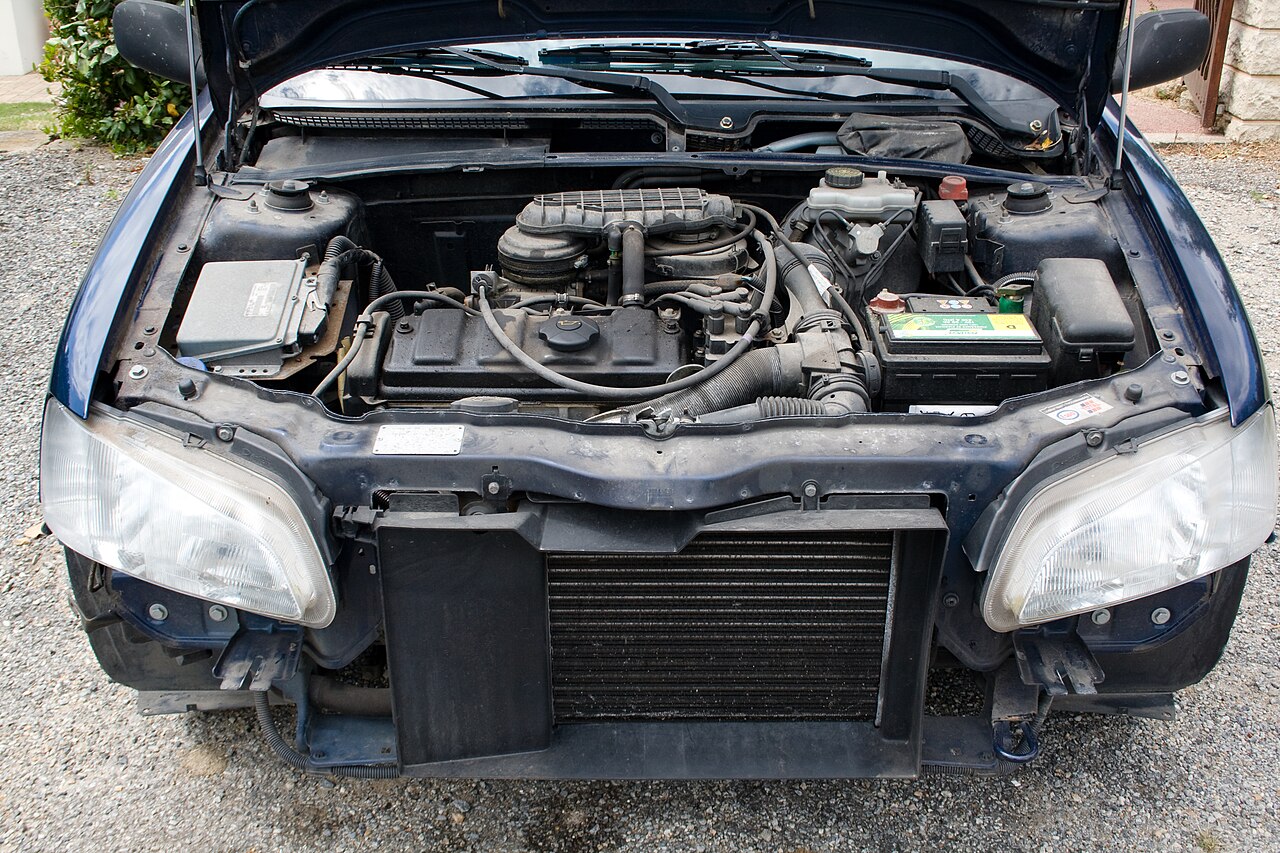
At its core a radiator is a heat exchanger: a hot fluid (water, steam, coolant, or oil) flows through metal channels or tubes. Heat passes from the fluid into the metal, then into the surrounding air. Fins or extended surfaces increase the exposed area and speed convective heat transfer. In vehicle radiators a fan and airflow through a finned core remove engine heat; in building radiators room air circulates by natural or forced convection.
Common types and materials
- Cast-iron and steel panel radiators: common in central heating systems for homes and offices.
- Fin-tube and convector units: lighter, quicker to respond and often used with boilers and heat pumps.
- Vehicle radiators (aluminium or copper-brass cores): designed for high flow and rapid heat rejection.
- Oil-filled electric radiators: use internal oil as a heat store and electric elements as the source.
History and development
Radiators emerged in the 19th century with the development of central steam and hot-water heating. Early units were bulky cast-iron sections; over time design has focused on weight reduction, thermal efficiency and compatibility with new heat sources such as condensing boilers and heat pumps.
Uses, benefits and limitations
Radiators are widely used for space heating, engine cooling, process temperature control and electronics thermal management. Benefits include reliable, simple thermal transfer and ease of installation for many systems. Limitations can include slow response for large thermal masses, the need for periodic maintenance (bleeding, antifreeze checks) and potential corrosion or leaks in older installations.
Maintenance and practical notes
- Inspect for leaks, corrosion and blocked fins; clean external surfaces to preserve airflow.
- For hydronic systems, bleed trapped air and verify pressure and antifreeze concentration if applicable.
- Use thermostatic radiator valves (TRVs) or central controls to improve comfort and efficiency.
For more manufacturer guidance or technical specifications consult product literature or a qualified technician; see further information.
Related articles
Author
AlegsaOnline.com Radiator (heat exchanger for heating and cooling) Leandro Alegsa
URL: https://en.alegsaonline.com/art/80743