
Bacillus subtilis
Bacillus subtilis is a gram-positive, rod-shaped, endospore-forming soil bacterium used as a model organism in genetics and biotechnology; source of bacitracin, industrial enzymes, and used in fermentation and probiotics.
Overview
Bacillus subtilis is a gram-positive, rod-shaped bacterium widely distributed in soil and other environments. It forms highly resistant dormant cells called endospores, which permit survival through heat, desiccation and chemical exposure. Many strains are motile by flagella and are commonly studied as a nonpathogenic model bacterium in laboratories around the world.
Image gallery
6 Images


Biology and characteristics
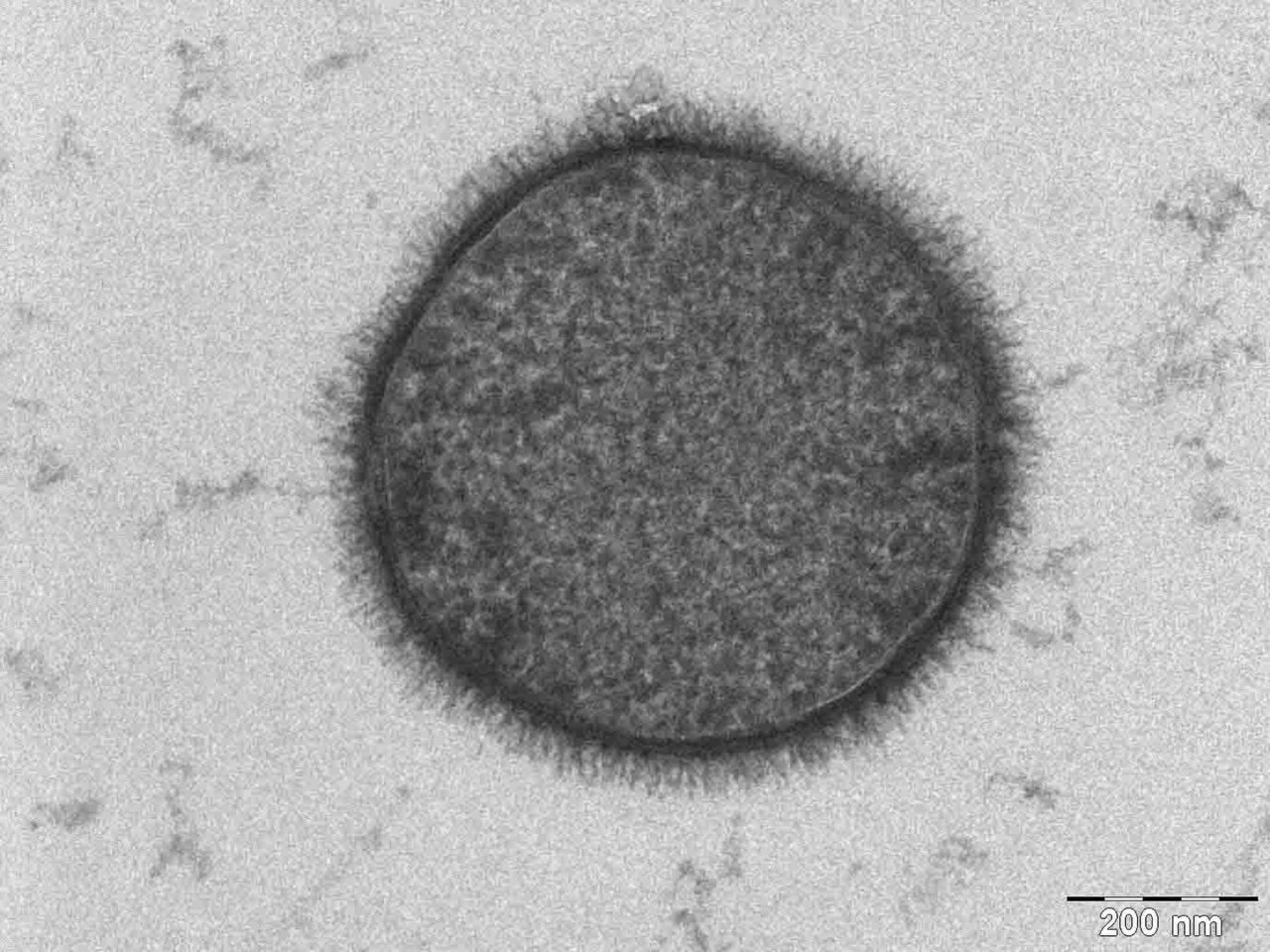
B. subtilis displays a thick peptidoglycan cell wall typical of gram‑positive bacteria and usually appears as single rods or short chains. It is primarily aerobic but can grow under reduced oxygen by fermentation or alternate respiratory pathways when needed. Cells can become naturally competent for uptake of external DNA and some strains exhibit complex multicellular behaviour such as swarming and biofilm formation.
- Rod-shaped, often motile by peritrichous flagella
- Forms heat-resistant endospores
- Model organism for genetics, development and protein secretion studies
- Common in soil and detected occasionally in the gut flora
Life cycle and ecology
Sporulation in B. subtilis is a well-characterized, regulated developmental program triggered by nutrient limitation; it involves asymmetric cell division and the formation of a protected spore core. In natural habitats the species contributes to nutrient cycling, interacts with plants and other microbes, and can influence microbial community structure. Although generally regarded as nonpathogenic, rare opportunistic infections have been reported in immunocompromised individuals.
Uses and research
B. subtilis is the original source of the peptide antibiotic bacitracin and is used industrially to produce enzymes and other secreted proteins. Certain strains are employed in food fermentations (for example traditional soybean fermentations) and as probiotics or microbial additives in agriculture because of their robustness and spore-forming capacity. Several laboratory strains, including the widely used strain 168, have been sequenced and extensively studied, making B. subtilis a central model for understanding gene regulation, sporulation, competence and biofilm formation.
Tags
Related articles
Author
AlegsaOnline.com Bacillus subtilis Leandro Alegsa
URL: https://en.alegsaonline.com/art/8090