
Bacillus (shape) — rod-shaped bacteria
Bacillus describes rod-shaped bacteria in general or, when capitalized and italicized, the specific genus Bacillus. Covers form, arrangements, staining differences, ecology, uses, and notable examples.
Overview
A bacillus (plural: bacilli) is any bacterium whose cells are elongated and cylindrical rather than spherical. In everyday microbiology the word can be used in two senses: as a general descriptor for a rod-shaped bacterium, or as the proper name of a taxonomic genus when it is capitalized and italicized. The distinction is important because many different bacterial groups have rod-like morphology while only some belong to the named genus.
Image gallery
7 Images


Characteristics and forms
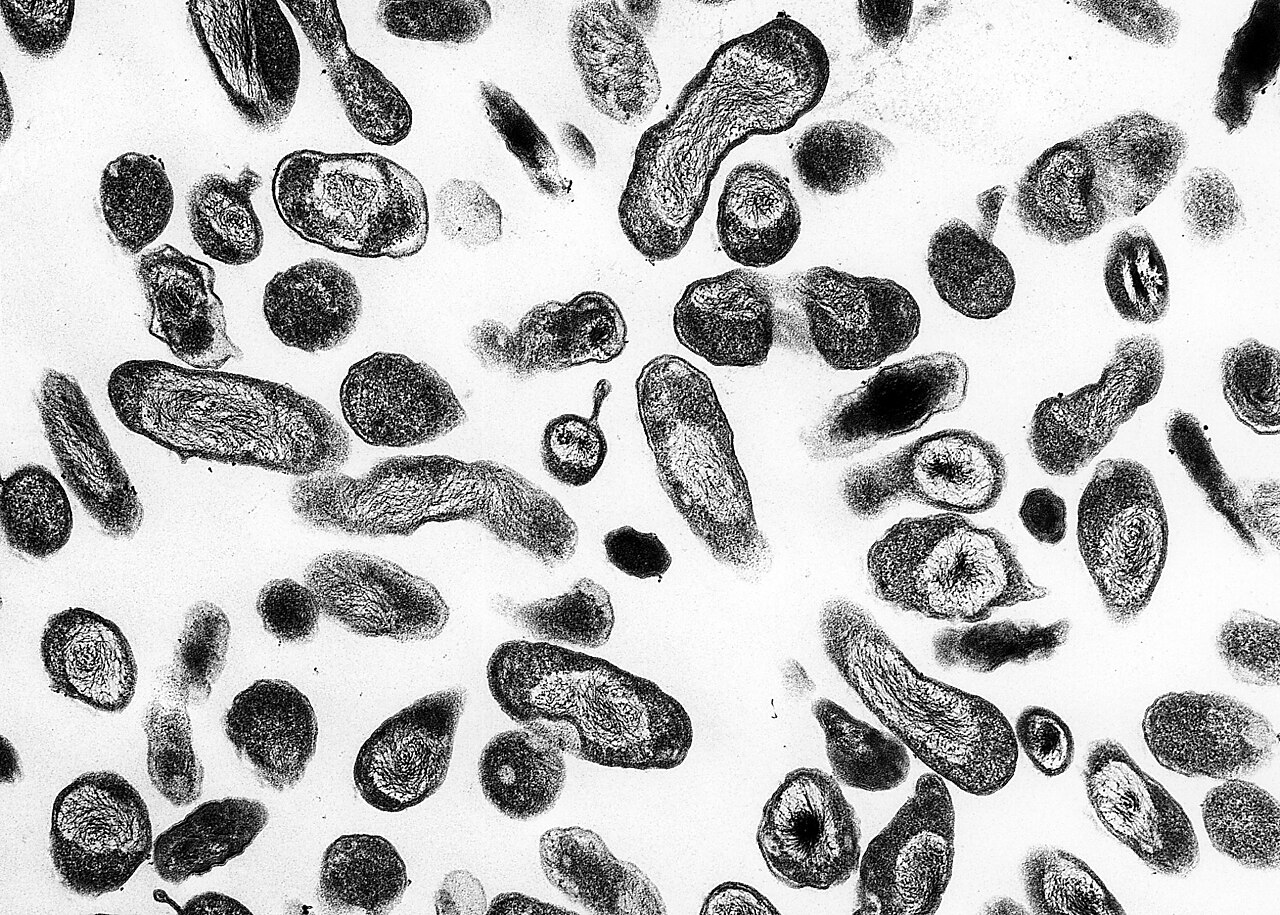
Rod-shaped bacteria vary in length, width and curvature. Some appear as single rods, others pair up (diplobacilli) or form chains (streptobacilli); short, stubby rods are sometimes called coccobacilli. Motility is common in many rod-shaped species, often achieved by flagella. Some rods, notably members of the genus Bacillus and the related genus Clostridium, form highly resistant dormant structures called endospores, but spore formation is not a universal trait of all bacilli.
Staining and classification
Morphology alone does not determine other laboratory characteristics. Rod-shaped bacteria include both Gram-positive and Gram-negative species. Modern classification relies heavily on genetic and biochemical data, so organisms that look similar under a microscope may belong to very different taxonomic lineages. The taxonomic genus Bacillus (capitalized) is one such lineage and contains species with shared genetic and physiological traits.
History and usage
The term bacillus comes from Latin and literally means 'little rod.' Early bacteriologists grouped microbes by visible shape; with advances in microscopy and molecular methods, shape became one of several characters used to describe bacteria rather than a sole basis for classification. The generic name Bacillus has been used for more than a century to denote a particular group of spore-forming, mostly aerobic, Gram-positive rods.
Importance and examples
Rod-shaped bacteria play diverse roles in nature and human affairs. They include harmless environmental decomposers, industrially useful strains (e.g., species used in fermentation or enzyme production), probiotic strains, and pathogens. Familiar examples span different groups: the genus Bacillus includes model and industrial organisms, while other medically significant rods include species of Escherichia and Salmonella, which are Gram-negative rods with distinct biology.
Distinctions to remember
- Lowercase bacillus (or unformatted bacillus) = any rod-shaped bacterium.
- Capitalized and italicized Bacillus = a specific genus with defined genetic and physiological characteristics.
- Shape does not predict staining, metabolism, or habitat—these must be determined by tests beyond microscopy.
Related articles
Author
AlegsaOnline.com Bacillus (shape) — rod-shaped bacteria Leandro Alegsa
URL: https://en.alegsaonline.com/art/8089