
Toddler: Development, Characteristics, and Care for Young Children
Overview of the toddler stage of childhood (about 1–4 years): key developmental milestones, common behaviors, care practices, safety considerations and cultural notes for caregivers.
Overview
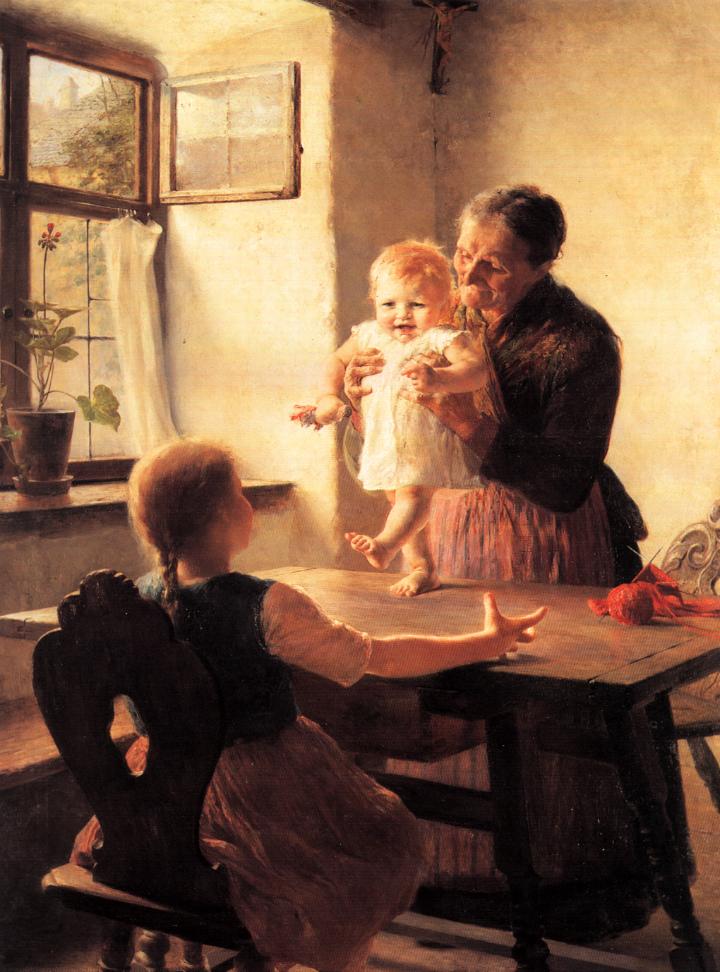
A toddler is a young child who has moved beyond infancy and is learning to walk, use their hands with more precision, and communicate with others. The term describes a phase rather than a fixed age: it commonly begins after the first birthday and continues through early childhood, often until about three or four years of age. Growth in this period is rapid and uneven, with bursts in physical ability, language, and social understanding.
Image gallery
6 Images




Typical characteristics and milestones
Toddlers show distinct patterns of development. Motor skills progress from unsteady walking to running, climbing and simple self-care tasks. Language expands from single words to two- and three-word phrases and growing comprehension. Social and emotional skills emerge: toddlers begin to express strong preferences, test boundaries, and play alongside or with other children in simple ways.
- Motor: walking, running, stair navigation, feeding with utensils
- Language: vocabulary growth, simple sentences, following two-step directions
- Social/emotional: separation awareness, tantrums, early cooperative play
- Self-care: dressing assistance, beginning toilet awareness
Care, routines and safety
Daily routines—regular sleep times, nutritious meals, and predictable transitions—help toddlers feel secure and support development. Safety measures are essential because toddlers are curious and physically capable but lack hazard awareness: supervision, age-appropriate toys, safe sleep and home-proofing reduce risks. When walking longer distances or during outings, caregivers commonly use a stroller or pushchair for convenience and safety: examples include using a stroller or a pushchair depending on local terminology and design preferences.
Toilet learning and feeding
Many children show readiness for toilet training during toddlerhood, though timing varies widely. Readiness signs include staying dry for longer periods, showing interest in bathroom routines, and communicating discomfort with soiled diapers. Mealtimes shift from pureed foods to family meals and self-feeding with utensils; caregivers encourage variety and gradual independence.
For more guidance on developmental stages and practices, caregivers often consult child development resources and pediatric advice; see general information at child development resources and practical guidance on toilet learning at toilet training resources.
History, culture and distinctions
The word "toddler" comes from the verb "to toddle," meaning to walk unsteadily. How societies treat this stage varies: caregiving arrangements, expectations for independence, and the age of institutional preschool differ by culture and policy. Distinct from infancy (which focuses on feeding and basic growth) and preschool age (which emphasizes formal learning), toddlerhood is notable for exploratory mobility, rapid language acquisition, and the emergence of personality.
When development seems significantly delayed or a child shows persistent difficulty with movement, language, or social engagement, caregivers should seek assessment from a pediatrician or early intervention service. Early support can help address concerns and guide families through this active and formative stage.
Related articles
Author
AlegsaOnline.com Toddler: Development, Characteristics, and Care for Young Children Leandro Alegsa
URL: https://en.alegsaonline.com/art/100242