
Quebec Nordiques
Former professional ice hockey club from Quebec City. Founded in the WHA, joined the NHL in 1979, and relocated in 1995 to become the Colorado Avalanche; notable for its players, rivalries and cultural impact.
Overview
The Quebec Nordiques were a professional ice hockey team based in Quebec City. Founded in the early 1970s, the club first competed in the rival World Hockey Association before becoming an NHL franchise. The team is often remembered for its strong francophone fan base, distinctive blue-and-white identity, and the controversial sale and relocation that ended local NHL play in 1995.
Image gallery
7 Images




Origins and league history
The franchise began play in 1972 as a member of the World Hockey Association. After the WHA–NHL merger and negotiations that followed, the Nordiques were among the teams admitted into the National Hockey League in 1979. The club represented Quebec City, in the province of Quebec, Canada, and announced itself regionally and nationally through on-ice performance and local culture. The team name was officially rendered in French as Nordiques de Québec, a title reflecting the province's language and identity; the team’s pronunciation and local nicknames were commonly discussed in media and among fans (pronunciation references).
Identity, players and arena
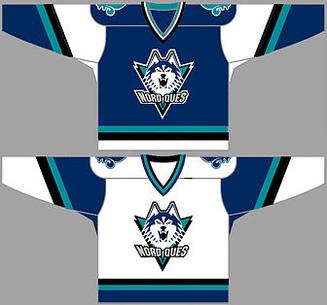
The Nordiques played in a compact arena that gave the club a strong home-ice advantage and a close connection to its supporters. Team colors and the logo evolved over time but generally emphasized cool tones and stylized northern imagery. Over the years the club developed several high-profile players who left a lasting mark on the sport; among the best-known are:
- Peter Stastny — a marquee scorer and playmaker who helped raise the team's profile.
- Michel Goulet — a prolific goal-scorer and offensive leader.
- Joe Sakic — drafted and developed in Quebec before becoming a franchise icon in Colorado.
Rivalries and cultural importance
On the ice the Nordiques established intense rivalries, most notably with the Montreal Canadiens, producing memorable playoff matches and deep regional interest. Off the ice the club served as a focal point for francophone pride and community identity in Quebec City, contributing to the province's rich hockey culture and discussions about language, politics and sport.
Sale, relocation and legacy
By the mid-1990s financial challenges — including currency fluctuations, rising player salaries and the need for arena improvements — put pressure on the club's ownership. The franchise was sold to a Denver-based group and relocated in 1995; the team was renamed the Colorado Avalanche. In their first season after the move the club won the Stanley Cup, a turn of events that intensified debate about the loss of the franchise for local supporters. The relocation prompted long-running public discussion about the viability of NHL hockey in smaller markets and periodic proposals to return top-level hockey to Quebec City.
Notable facts and distinctions
The Nordiques are often cited in histories of hockey as an example of a WHA team that transitioned into the NHL and later left its original market. Their story intersects with broader themes in professional sport: league mergers, the economics of small-market teams, and the cultural role sports franchises play in regional identity. For further historical context and media resources, readers can consult archival materials and retrospective accounts maintained by hockey historians and local institutions.
For more resources and pronunciation guides see links to the club's historical profiles and league pages: ice hockey context, player biographies and regional histories are available through a range of dedicated sources.
Related articles
Author
AlegsaOnline.com Quebec Nordiques Leandro Alegsa
URL: https://en.alegsaonline.com/art/80440