
Purnululu National Park — Bungle Bungle Range, Western Australia
Remote Australian national park in northeast Western Australia, famous for the banded Bungle Bungle sandstone domes. A UNESCO World Heritage Site noted for geology, ecology and cultural significance.
Overview
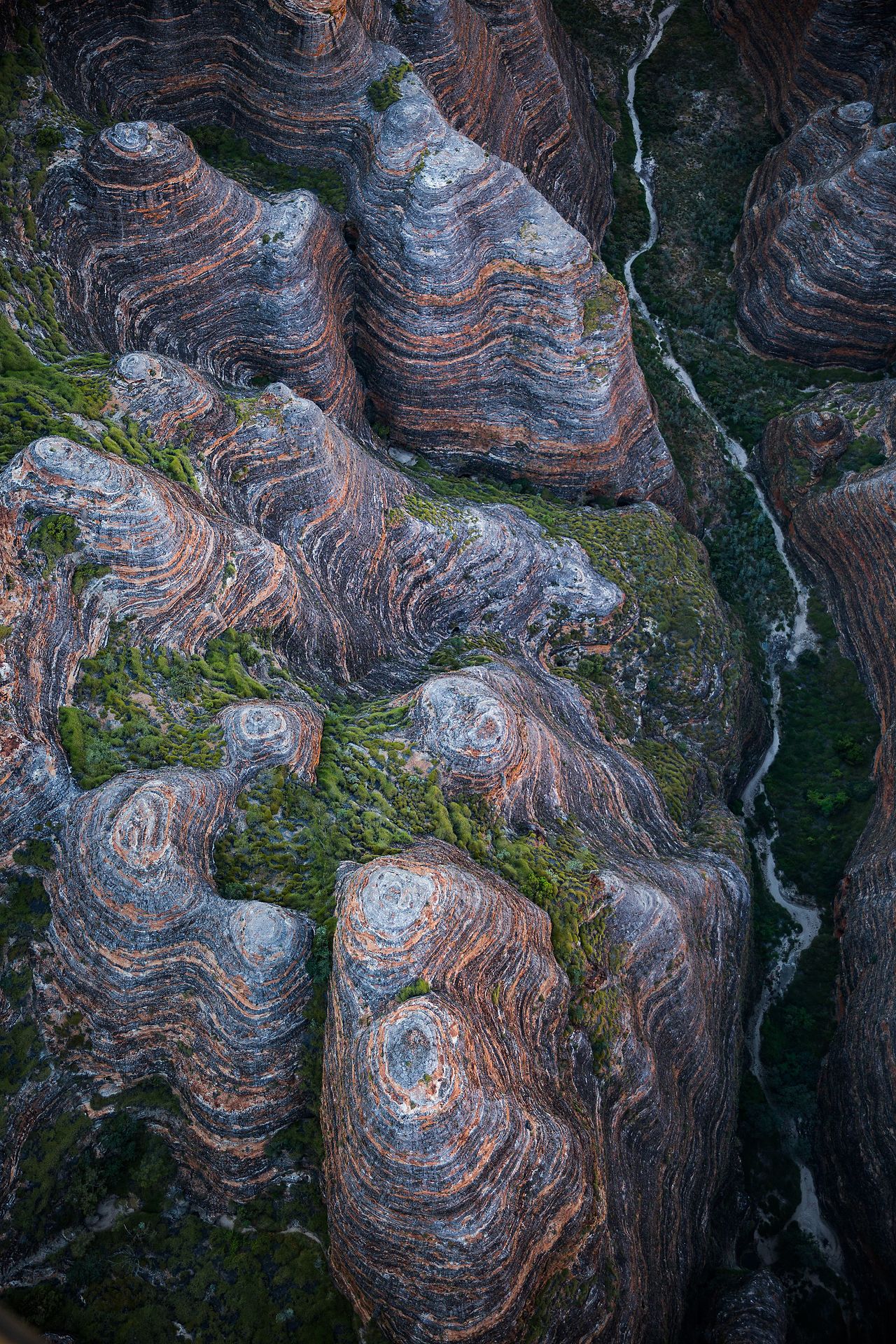
Purnululu National Park occupies a remote region in the north‑east of Western Australia and is best known for the Bungle Bungle Range, a striking landscape of banded sandstone domes. The park is listed as a UNESCO World Heritage Site and covers roughly 239,700 hectares. Its unusual striped domes, sweeping sand plains, river valleys and limestone ridges make it an area of both scientific interest and popular appeal for visitors who travel by road or scenic flight.
Image gallery
8 Images



Geology and physical characteristics
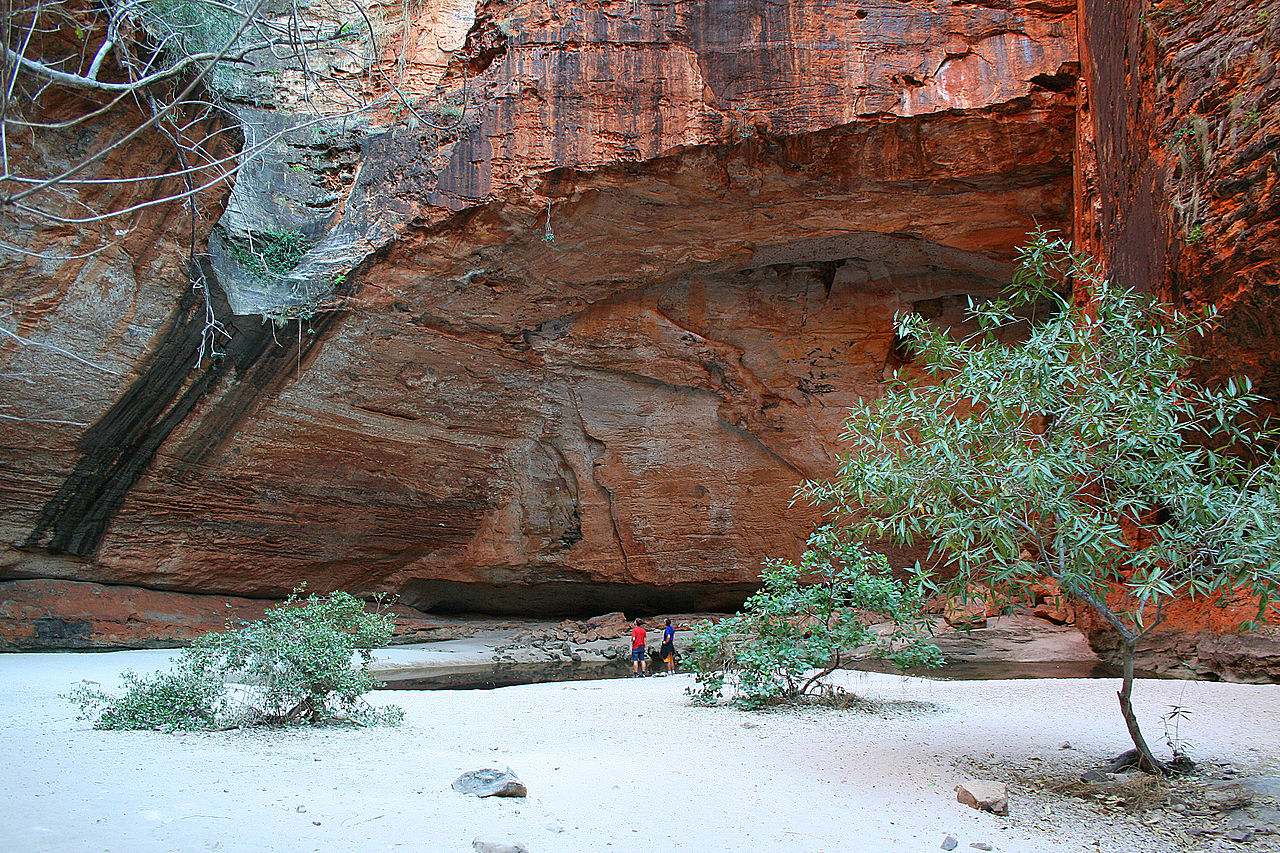
The Bungle Bungle formations are Devonian sandstones that have been sculpted by millions of years of weathering and erosion into beehive‑shaped towers, cones and chasms. The characteristic orange and dark banding results from alternating layers: orange bands where iron oxide stains and dries quickly, and darker bands where thin, damp layers support a community of microorganisms such as cyanobacteria. The broader park landscape includes extensive sandplains, the Ord River valley and limestone ridgelines that reveal a complex geological history.
Ecology and cultural values
Purnululu supports a variety of plant and animal communities adapted to the arid tropics and to pockets of moisture within gorges and springs. The area also contains important Aboriginal cultural sites and has been occupied for thousands of years by Indigenous peoples who maintain cultural connections to the land. Management of the park seeks to balance conservation, cultural heritage protection and visitor access.
History, protection and management
The park was declared and later inscribed on the World Heritage List in recognition of its outstanding natural values. Ongoing conservation work addresses threats such as invasive species, visitor impacts and the need to preserve fragile geological features. Management typically involves cooperation between government conservation agencies and traditional owners, and access may be seasonally restricted to protect sensitive areas.
Visiting and significance
Visitors come to Purnululu for walking, photography, wildlife observation and to experience remote landscapes. Access ranges from unsealed four‑wheel‑drive tracks to fixed‑wing scenic flights that provide aerial views of the domes. The park is often cited as an exceptional example of sandstone landforms shaped by long‑term environmental processes and as a living record of human association with a distinctive landscape.
Resources
- Official park information and visitor advice
- General national park guidance
- Regional context: north‑east Western Australia
- UNESCO World Heritage listing
- Details of the World Heritage inscription
- Park size and boundary maps
- Area conversions and land units
- Devonian geology and sandstone formation
- Sandstone composition and weathering processes
- Information on horizontal banding and strata
- Iron oxide staining and coloration of rocks
- Microbial communities in rock environments
- Limestone ridges and regional geomorphology
Related articles
Author
AlegsaOnline.com Purnululu National Park — Bungle Bungle Range, Western Australia Leandro Alegsa
URL: https://en.alegsaonline.com/art/80140
Sources
- worldcat.org : 1835-114X
- dec.wa.gov.au : "Department of Environment and Conservation 2009–2010 Annual Report"
- whc.unesco.org : "Purnululu National Park"