
Pushmataha County, Oklahoma
Rural county in southeastern Oklahoma named for Choctaw leader Pushmataha; county seat Antlers; largely forested and mountainous with an economy based on timber, ranching and outdoor recreation.
Overview
Pushmataha County is a rural county in southeastern Oklahoma. It is sparsely populated and noted for its wooded, hilly terrain. According to the 2000 U.S. census the population was about 11,667; since then the county has remained small and largely agricultural and forested, with the town of Antlers serving as the county seat and principal service center.
Image gallery
10 Images





Geography and environment
The county lies within the Kiamichi Mountains and the southern reaches of the Ouachita highlands. Elevation and forest cover create a landscape of ridges, narrow valleys, and clear streams. The Kiamichi River and numerous smaller creeks flow through the area, supporting freshwater habitats and stock watering. Large tracts of mixed hardwood and pine forest are common; parts of the county border or are adjacent to federally managed forest lands.
History
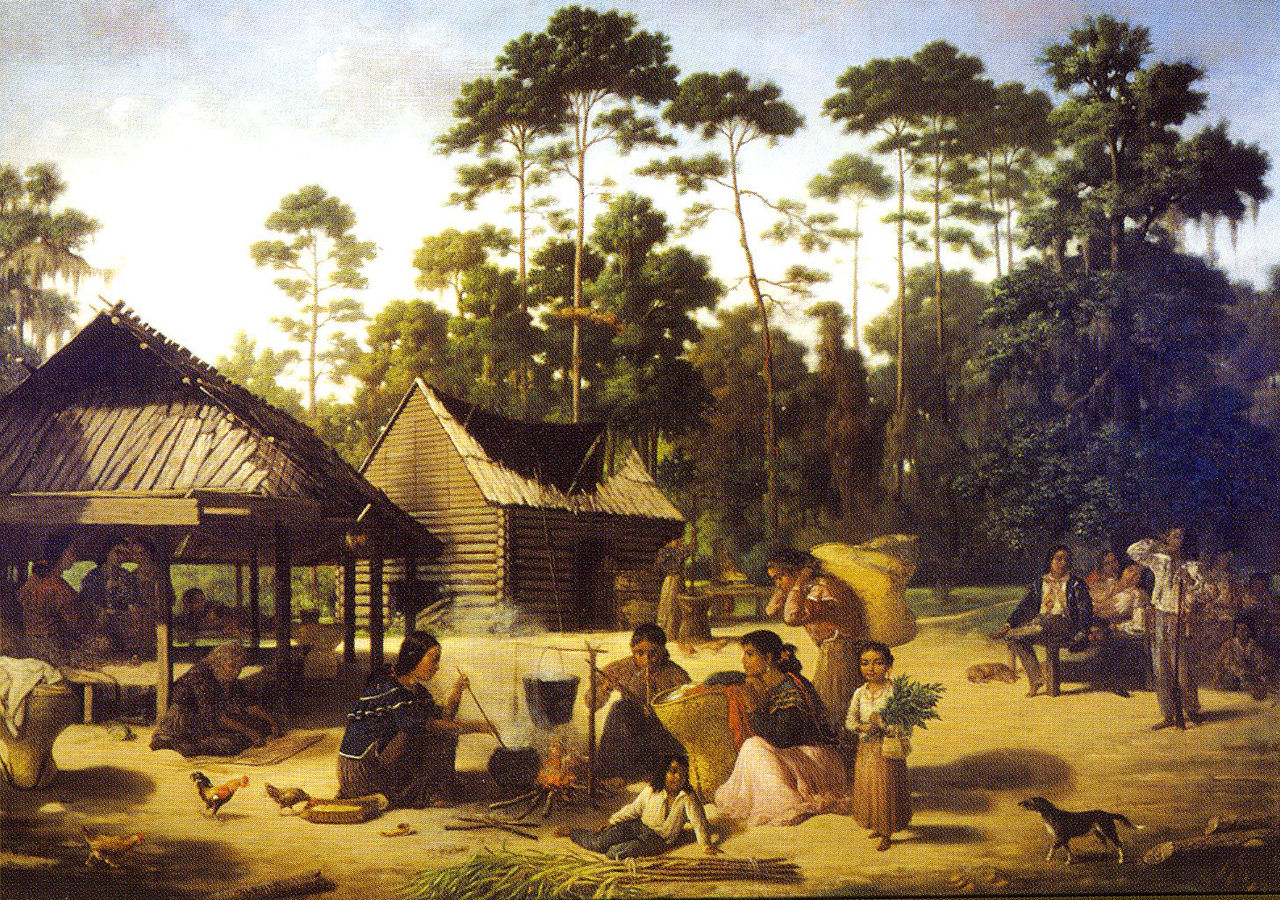
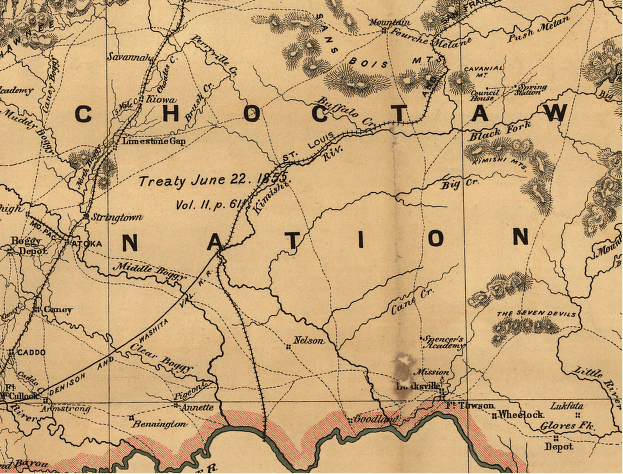
The lands that now form the county were long occupied by the Choctaw people and other Indigenous groups. The county takes its name from Pushmataha, a prominent Choctaw chief and statesman. In the late 19th and early 20th centuries, transportation improvements and a growing timber industry transformed parts of the region, bringing new settlements and sawmills. The modern county was organized at Oklahoma statehood and developed a local government centered in Antlers.
Economy and uses
Pushmataha County's economy has traditionally relied on timber production, ranching, and other uses of natural resources. Today economic activity also includes small businesses, public services, and outdoor recreation—hunting, fishing, and hiking attract visitors and support outfitters and lodging. Residents often travel to larger towns for specialized services and employment.
Culture, communities, and notable facts
- Antlers is the county seat and largest town, hosting government offices and regional services; see local information for more details.
- The county remains part of the historic Choctaw Nation's territory, and Indigenous heritage is an important aspect of local identity.
- Because of its topography and forest cover, Pushmataha County stands in contrast to Oklahoma's prairie and plains regions and offers scenic drives and outdoor recreation in a less developed setting; regional maps and guides are available through regional resources.
While small in population, Pushmataha County's combination of natural landscape, cultural history, and rural character make it a distinct part of southeastern Oklahoma's geography and heritage.
Related articles
Author
AlegsaOnline.com Pushmataha County, Oklahoma Leandro Alegsa
URL: https://en.alegsaonline.com/art/80158