
Puncak Jaya (Carstensz Pyramid) — Highest Peak of Oceania
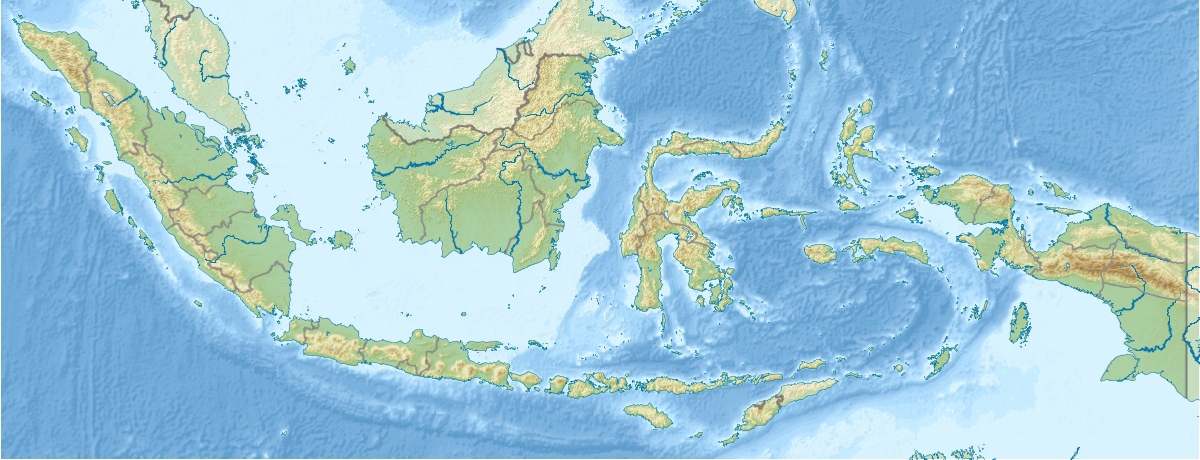
Puncak Jaya, also called Carstensz Pyramid, is a 4,884 m mountain in Indonesian New Guinea. Noted for technical rock climbing, tropical glaciers, colonial naming history, and its place among the Seven Summits.
Overview
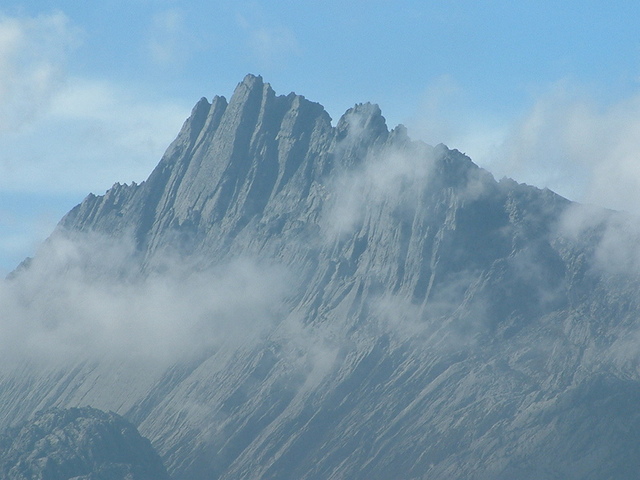
Puncak Jaya, commonly known outside Indonesia as the Carstensz Pyramid, rises to about 4,884 metres (16,024 ft) above sea level and is the highest mountain in the island of New Guinea and in the region of Oceania. Its combination of remote jungle approaches, steep rock faces and formerly glaciated cap make it distinctive among the world's high summits. Climbers and geographers frequently note its unusual status as a high tropical peak with historical icefields.
Image gallery
10 Images




Geography and physical characteristics
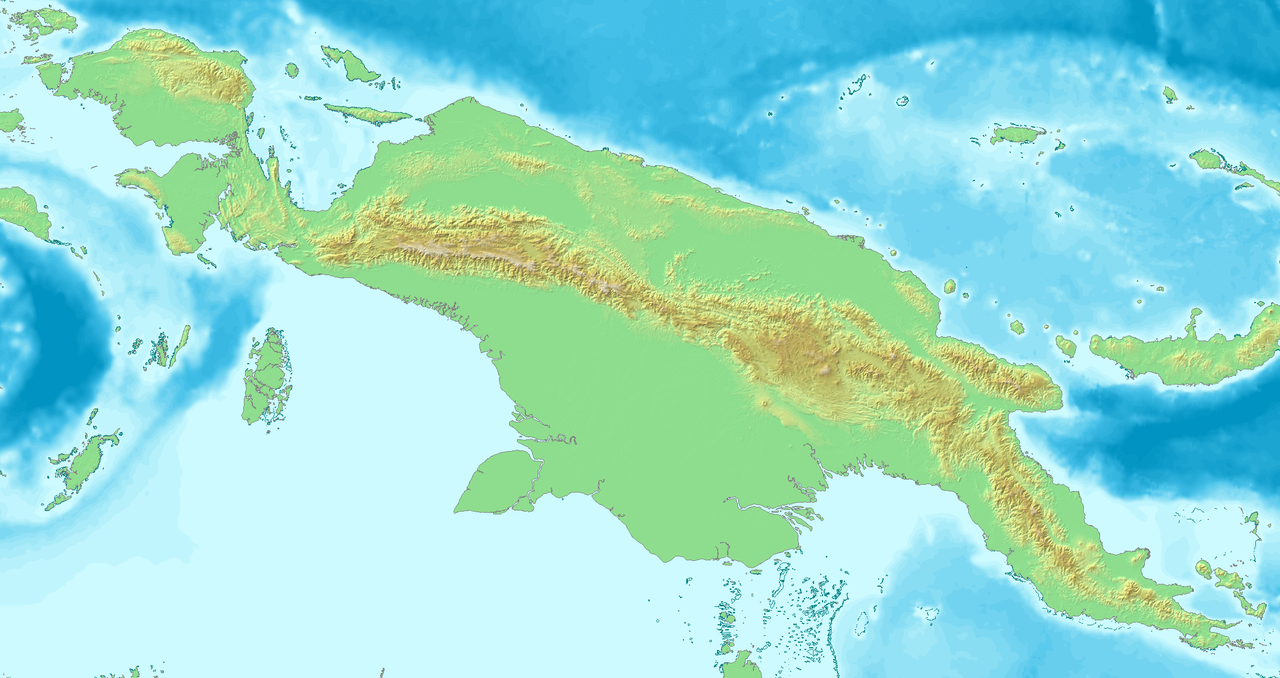
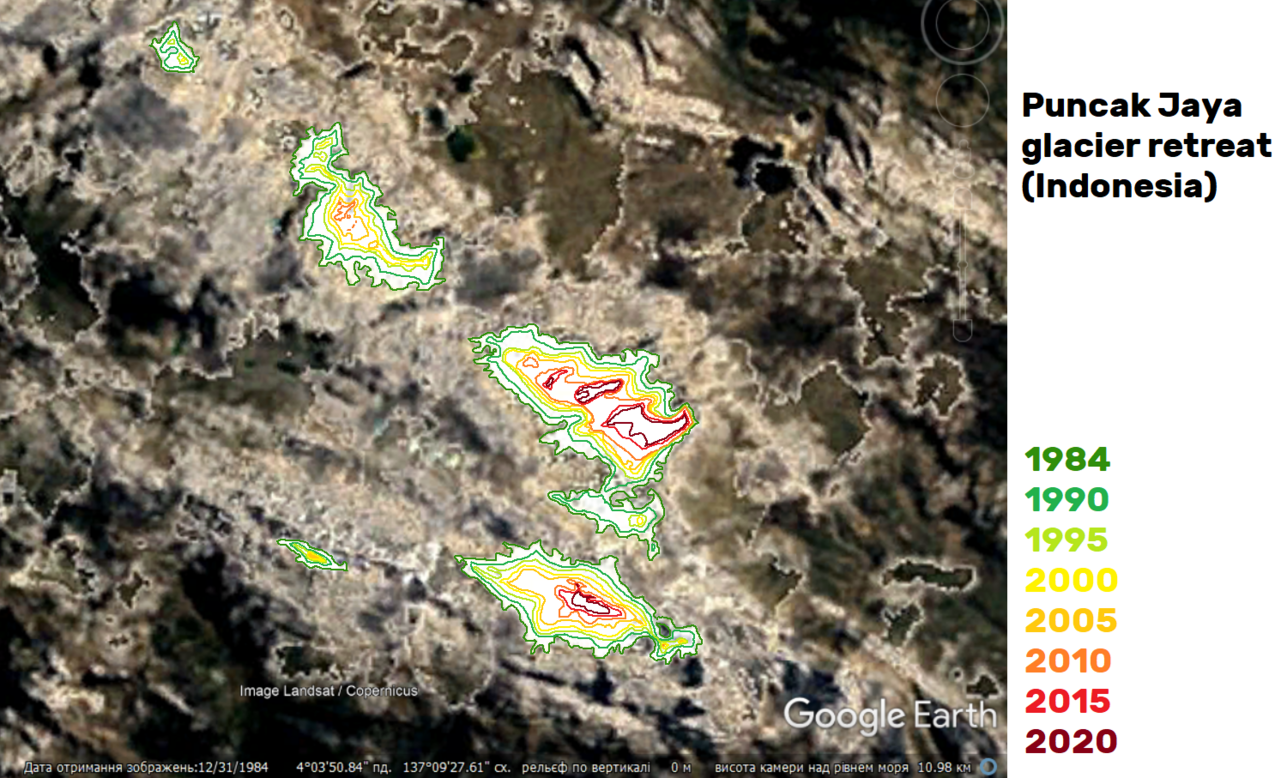
Puncak Jaya sits in the Sudirman Range of central New Guinea, part of a rugged spine of mountains that run across the island. The peak forms a jagged limestone and schist pyramid that rises sharply from surrounding highlands. Until recent decades the upper slopes supported small tropical glaciers and perennial snow, but these ice masses have retreated dramatically due to regional warming and may vanish entirely in the coming decades.
Naming and recorded history
The mountain was long referred to by European explorers as the Carstensz Pyramid, after the Dutch seaman Jan Carstenszoon, who recorded snow on New Guinea's mountains in the early 17th century. During the 20th century and following Indonesian sovereignty over the western half of the island, authorities introduced Indonesian names; in 1963 the summit was renamed Sukarno Peak and subsequently became widely known as Puncak Jaya, the Indonesian term meaning "Glorious Peak". The peak's naming reflects both colonial-era exploration and later national naming policies under Indonesia.
Climbing, routes and significance
Puncak Jaya is technically demanding: unlike many very high mountains that are primarily snow and ice climbs, this summit requires sustained rock climbing on steep, often loose faces, plus a long overland approach through dense montane forest and rugged terrain. For these reasons it is commonly discussed among mountaineers in the context of the Seven Summits challenge as the more technically difficult option when climbers choose the Australasian/Oceanian representative rather than the much lower and easier Australian peak.
Access, logistics and modern context
Access to Puncak Jaya is logistically complex. Approaches typically start from coastal towns and involve small aircraft transport to remote airstrips, long jungle treks or helicopter drops, and careful coordination with local authorities and communities. The peak lies near large mining operations in the highlands, which have altered access routes and local economies; climbing expeditions must take current political and environmental conditions into account.
Environmental and cultural notes
Beyond mountaineering interest, Puncak Jaya is important for its rapid glacial retreat, which serves as a visible indicator of climate change in tropical mountains. The highlands of New Guinea are home to diverse indigenous communities with their own cultural connections to the land; visitors are encouraged to work respectfully with local leaders and guides. Notable facts about the mountain include an early 20th-century ascent attempt that reached subsidiary summits but not the true highest point, and the documented first confirmed ascent of the summit in 1962 by an international team.
- Location: Central highlands of New Guinea.
- Elevation: c. 4,884 m (16,024 ft).
- Terrain: Steep rock faces, formerly glaciated cap.
- Human factors: Remote access, nearby mining activity, culturally significant highlands.
For further reading and planning, consult regional climbing guides, contemporary reports on tropical glacier retreat, and local authorities for the latest access information. Related topics include the geology of the Sudirman Range and the history of exploration in Oceania.
Highest mountain • Puncak Jaya • New Guinea • Oceania • Jan Carstenszoon • Indonesia • Seven Summits
Related articles
Author
AlegsaOnline.com Puncak Jaya (Carstensz Pyramid) — Highest Peak of Oceania Leandro Alegsa
URL: https://en.alegsaonline.com/art/80050
Sources
- papuaweb.org : Australian Universities' Expedition
- peakbagger.com : "Carstensz Pyramid, Indonesia"
- peakware.com : "Puncak Jaya" · archive.org
- nationalgeographic.org : "Puncak Jaya"
- summitpost.org : "Carstensz Pyramid (Puncak Jaya)"
- mountain7.com : "Some Facts About Carstensz Pyramid (Puncak Jaya) – Highest Peak of The Oceania"
- books.google.com : Requiem for a Mountain
- wikidata.org : wikidata.org/wiki/Q1045888
- viaf.org : 237277176
- worldcat.org : 237277176