
Psychological warfare
The deliberate use of information, messaging and actions to influence the perceptions, emotions and decisions of rival forces or populations during conflict and competition.
Overview
Psychological warfare refers to planned efforts to influence the attitudes, beliefs and behavior of opponents and relevant audiences. It is used to weaken morale, shape perceptions, induce confusion or encourage particular choices without necessarily engaging in physical combat. Military organizations and state actors are primary practitioners, but non-state groups and institutions may also employ these techniques in periods of competition or conflict. It overlaps with, but is not identical to, broader information operations and public diplomacy.
Image gallery
10 Images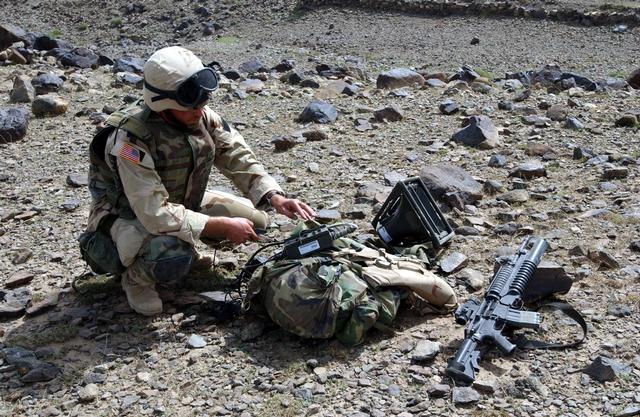




Core methods and characteristics
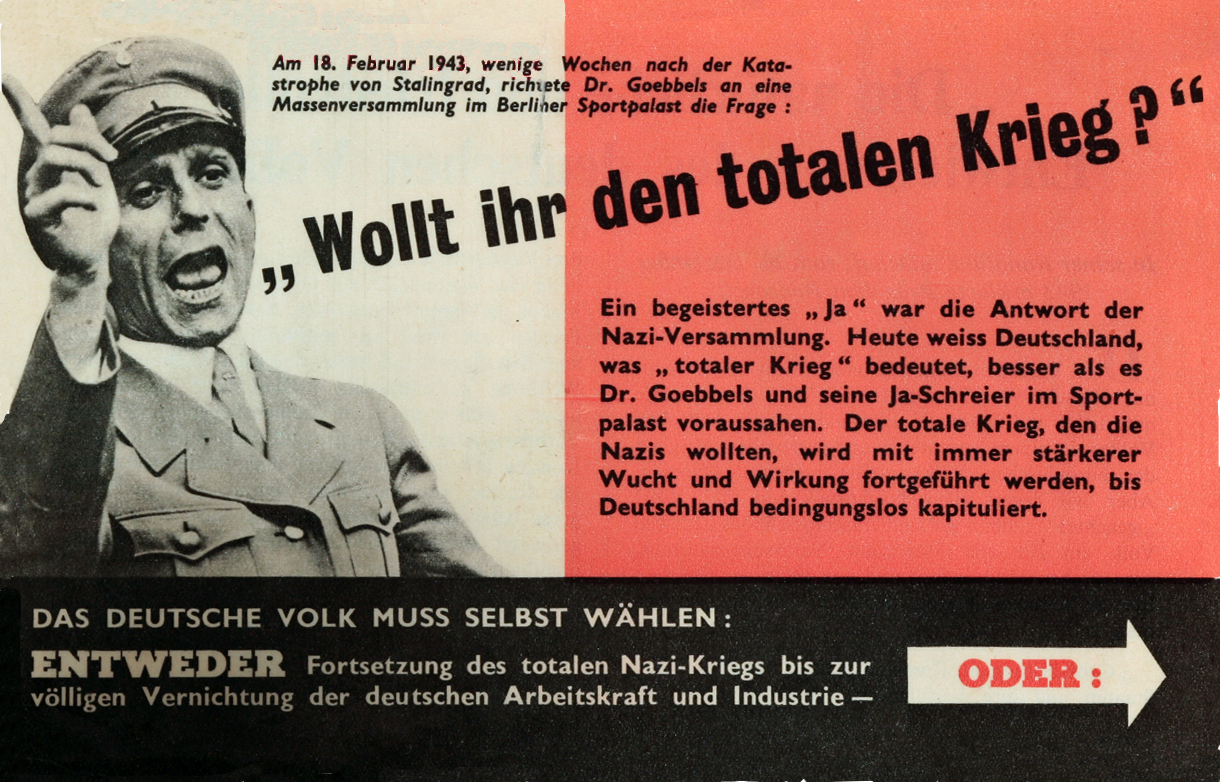
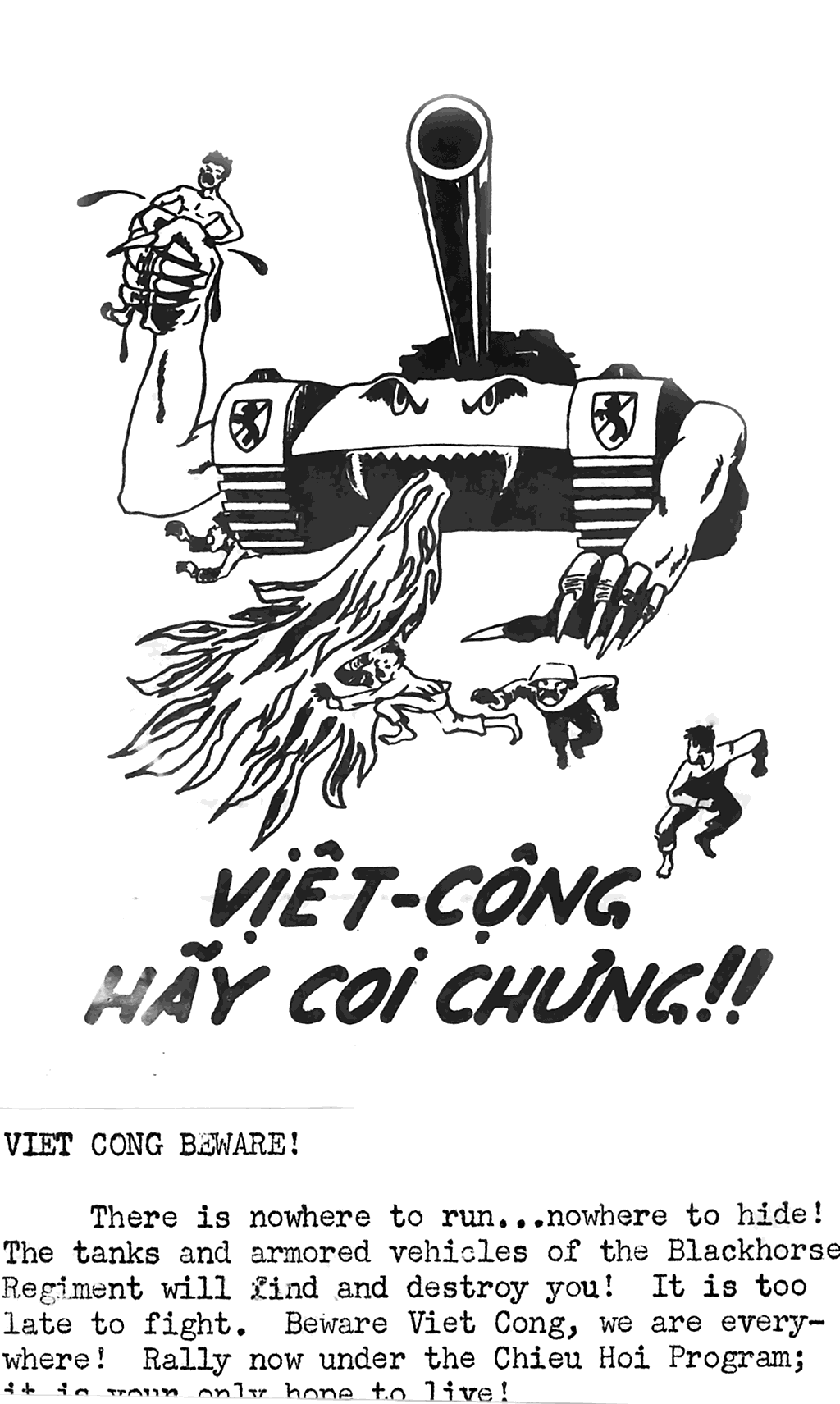
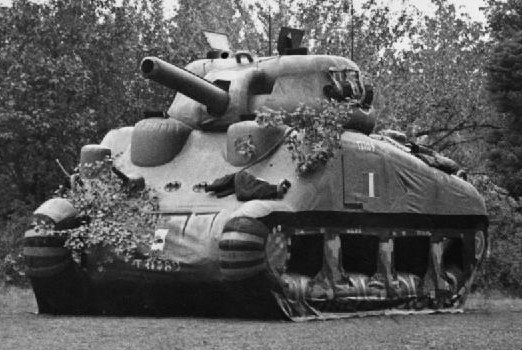
Techniques range from disseminating truthful information selectively to using deception, rumor, or staged events. Common channels include leaflets, radio and television broadcasts, social media, diplomatic messaging, and targeted interpersonal approaches. These activities typically aim at one or more of the following goals:
- Undermining enemy morale or cohesion;
- Convincing civilians to flee or remain passive;
- Encouraging defection, surrender or noncooperation;
- Shaping third-party perceptions and international opinion.
History and development
Informational influence in warfare has ancient roots, from deceptive displays and proclamations to the distribution of proclamations and slogans. In modern times, the scale and speed of psychological operations expanded with mass media and later digital platforms. Throughout the twentieth and twenty-first centuries, states formalized specialized units and doctrines to plan and coordinate such activities alongside kinetic operations.
Uses and examples
Psychological techniques appear in many contexts: encouraging enemy troops to surrender through leaflets or broadcasts; amplifying reports of atrocities to isolate an adversary diplomatically; or using targeted narratives to win support among foreign publics. In peacetime, similar methods are used in competition short of war to influence elections, markets or social movements. Practitioners must adapt their messages to cultural, linguistic and technological environments for credibility and effect.
Distinctions, legality and ethics
Psychological warfare is closely related to propaganda but is typically operational, time-sensitive and integrated with military objectives. International law and domestic rules may restrict certain actions, particularly those that involve coercion, false declarations of law or actions that target protected populations. Ethical debates focus on truthfulness, harm to civilians, and long-term consequences for trust and reconciliation.
Notable facts
Because it targets minds rather than territory, psychological warfare often leaves few physical traces yet can have lasting political and social effects. Its practice involves coordination between armed forces (see military doctrine), political leaders, and media channels used during war or confrontation. Civilian audiences are frequently central to strategy, whether to gain compliance or to erode support for an adversary (civilian populations).
For further reading see resources on strategic communication and information operations (military studies and historical analyses provide useful context).
Related articles
Author
AlegsaOnline.com Psychological warfare Leandro Alegsa
URL: https://en.alegsaonline.com/art/79862