
Quds Force: Iran's Extraterritorial Operations Branch of the IRGC
Overview of the Quds Force, the Islamic Revolutionary Guard Corps unit responsible for Iran's extraterritorial operations, its roles, history, leadership, international designations and regional impact.
The Quds Force is the component of Iran's Islamic Revolutionary Guard Corps (IRGC) specialized in operations beyond Iran's borders. It conducts a range of activities including intelligence collection, unconventional warfare, training and advising foreign armed groups, and the supply of materiel to allied forces. Operating as the IRGC's external arm, the Quds Force plays a central role in Tehran's regional strategy and its relationships with non-state actors.
Image gallery
7 Images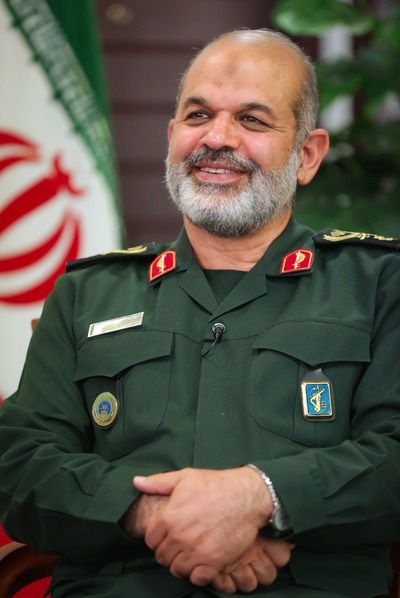



Functions and characteristics
The Quds Force is often described as a hybrid organization combining military, intelligence and diplomatic functions. Typical tasks attributed to it include:
- Advising, training and equipping allied militias and proxy groups in neighboring countries.
- Planning and carrying out covert operations and influence campaigns.
- Gathering intelligence and developing local networks abroad.
- Providing logistical support, weapons transfers and battlefield coordination in conflict zones.
Origins and leadership
The unit emerged in the late 1980s within the IRGC as a force focused on external operations. For decades it was led by Qasem Soleimani, a senior Iranian commander who became widely recognized as the Quds Force's public face. Soleimani was killed by a U.S. strike at Baghdad International Airport on 3 January 2020. Following his death, Brigadier General Esmail Ghaani was named to succeed him as commander. The Quds Force has drawn experienced officers from the IRGC and operates with a degree of secrecy typical of special-operations and intelligence units.
Regional activities and influence
The Quds Force has been active in multiple countries across the Middle East. It has been linked to support for armed groups, political allies and allied governments in places such as Iraq, Syria, Lebanon and Yemen. Its activities have included advising local forces, coordinating operations with partner militias, and facilitating transfers of weapons and technical support. These roles have made it an important instrument of Iran's foreign policy, especially where Tehran seeks to project influence without committing conventional forces.
International designations and controversies
The unit's extraterritorial activities and connections to non-state actors have generated international controversy. Several governments and bodies have applied sanctions or designated the IRGC or its external branch as involved in terrorism or malign activity. Examples include statements and measures by the Iran-related authorities' interlocutors and other states; some countries including Canada and Egypt have placed restrictions or designations, while Israel has publicly labeled the force as a threat. The United States has also taken steps over time to sanction the IRGC and its external elements, a source of ongoing diplomatic and legal contention.
Notable facts and distinctions
- Although often called a "force," the Quds Force functions across military and intelligence lines rather than as a conventional army unit.
- Its operations rely heavily on partnerships with local actors and an emphasis on unconventional tactics rather than open deployments of regular Iranian forces.
- Leadership changes, such as the transition after the killing of Qasem Soleimani, have political as well as military implications inside and outside Iran.
The Quds Force remains a key element in analyses of Middle Eastern security and Iranian statecraft. Understanding its methods and relationships helps explain many contemporary regional conflicts and the balance of influence among states and non-state actors. For further background on Iran's armed forces and regional policy see additional resources and expert analyses.
Qasem Soleimani has been a central figure in modern accounts of the organization and its evolution.
Related locations and events are often discussed in connection with Quds Force activity, such as events at Baghdad International Airport and diplomatic reactions referenced by governments using Iran as a focal point for policy measures.
For official statements, sanctions lists and country-specific designations consult national government releases and public records.
Related articles
Author
AlegsaOnline.com Quds Force: Iran's Extraterritorial Operations Branch of the IRGC Leandro Alegsa
URL: https://en.alegsaonline.com/art/80430
Sources
- treasury.gov : "Fact Sheet: Designation of Iranian Entities and Individuals for Proliferation Activities and Support for Terrorism" · web.archive.org
- publicsafety.gc.ca : "Currently listed entities" · web.archive.org
- reuters.com : "Syrian terrorist list produces 163 names and no agreement" · web.archive.org
- reuters.com : "Iran's Soleimani and Iraq's Muhandis killed in U.S. air strike: militia spokesman" · web.archive.org
- sandiegouniontribune.com : "Iraqi state TV, officials: Gen. Soleimani, the head of Iran's elite Quds force, has been killed in an airstrike" · web.archive.org
- nytimes.com : "U.S. Strike in Iraq Kills Qassim Suleimani, Commander of Iranian Forces" · web.archive.org
- worldcat.org : 0362-4331
- cnbc.com : "Iran names deputy commander of Quds force to replace Soleimani after killing"