
PT boat (Patrol Torpedo boat)
Small, fast US Navy patrol torpedo boats used in World War II for hit-and-run attacks on larger ships; wooden-hulled, heavily armed for size, and remembered for actions like PT-109.
Overview
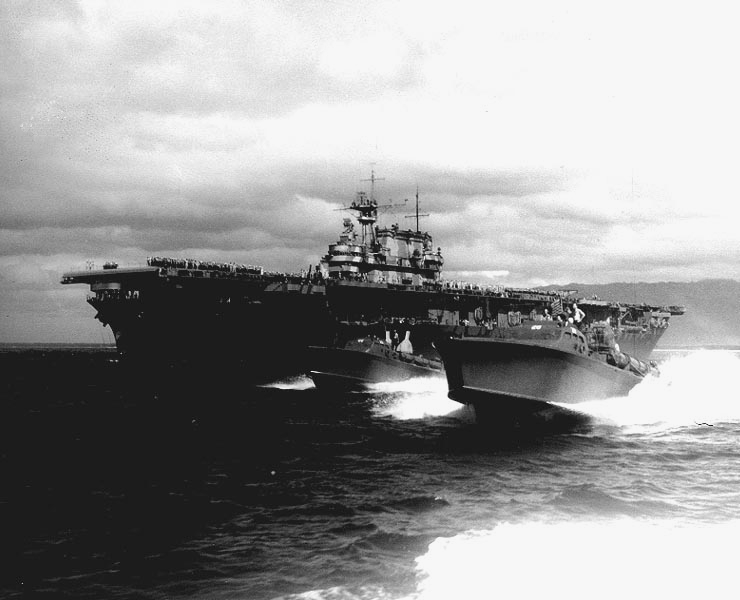
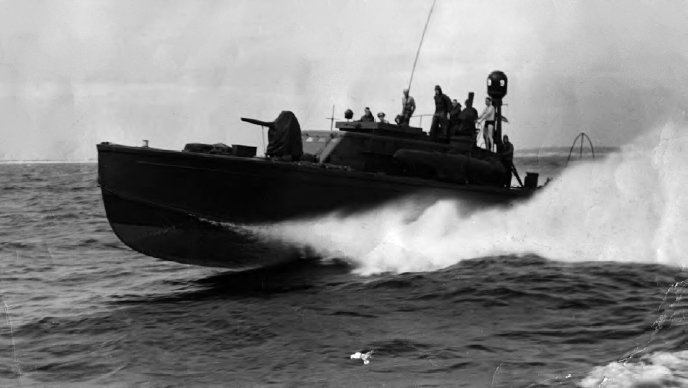
PT boats were compact, high-speed patrol vessels built to carry torpedoes and perform offensive and defensive missions at close range. The designation comes from the words motor torpedo and boats; they were operated largely by the United States Navy during World War II. Because of their quick, pest-like attacks on larger ships, PT squadrons were often called the "mosquito fleet."
Image gallery
10 Images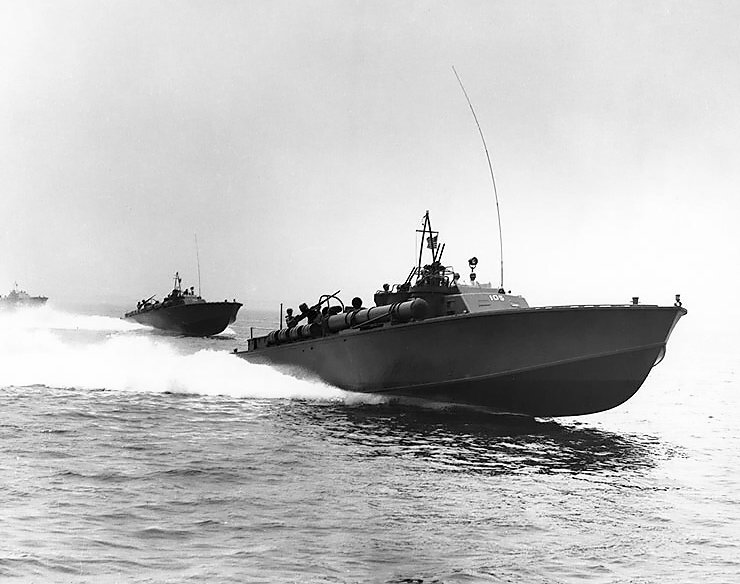


Design and construction
PT boats were typically built with lightweight wooden hulls to keep displacement low and allow rapid acceleration. Powerplants were high-performance gasoline engines that gave them excellent top speed but made them vulnerable to fire. Their compact decks were arranged to carry offensive weapons, crew stations and fuel while maintaining maneuverability.
Typical armament and equipment
- Torpedo tubes or launchers fitted for surface attack.
- Light and medium-caliber machine guns for close defense.
- Mounted cannons, rocket launchers or depth charges on some boats.
- Basic radar, radio and navigation gear suited to coastal and night operations.
Operational history and tactics
PT boats served in many theaters, especially in island and coastal waters where shallow drafts and speed were advantages. Crews used surprise, speed and darkness to approach larger warships, launch torpedoes or lay ambushes, then withdraw before a counterattack. They also performed reconnaissance, convoy escort, insertion of personnel and rescue missions.
Notable examples and legacy
One of the best-known PT boats is PT-109, commanded by a young John F. Kennedy; its loss and the subsequent rescue of survivors became a notable wartime story. Although effective in specific roles, PT boats had limitations: limited range, light protection and high fire risk. After the war many were scrapped, but several survive in museums and restorations. International counterparts included British MTBs and German E-boats, reflecting a wider pattern of light fast attack craft in mid‑20th century naval warfare.
Distinctive facts
- Crews were small and multi-skilled; maintenance and seamanship were critical to performance.
- They influenced postwar development of fast attack craft and coastal patrol vessels.
- Surviving boats are preserved as reminders of the unique, high-risk missions these vessels carried out.
Related articles
Author
AlegsaOnline.com PT boat (Patrol Torpedo boat) Leandro Alegsa
URL: https://en.alegsaonline.com/art/79874