
Prunoy — former commune in Yonne, central France
Prunoy, a former commune in the Yonne department of central France, merged into Charny-Orée-de-Puisaye in 2016; this article summarizes its geography, history, administration and local character.
Overview
Prunoy was a small rural commune located in the Yonne area of the French interior. Situated within the broader administrative department and historically belonging to the cultural landscape of central France, it retained the character of a low-density village community until an administrative reorganisation in 2016. The locality is now part of the commune nouvelle of Charny-Orée-de-Puisaye.
Image gallery
1 Image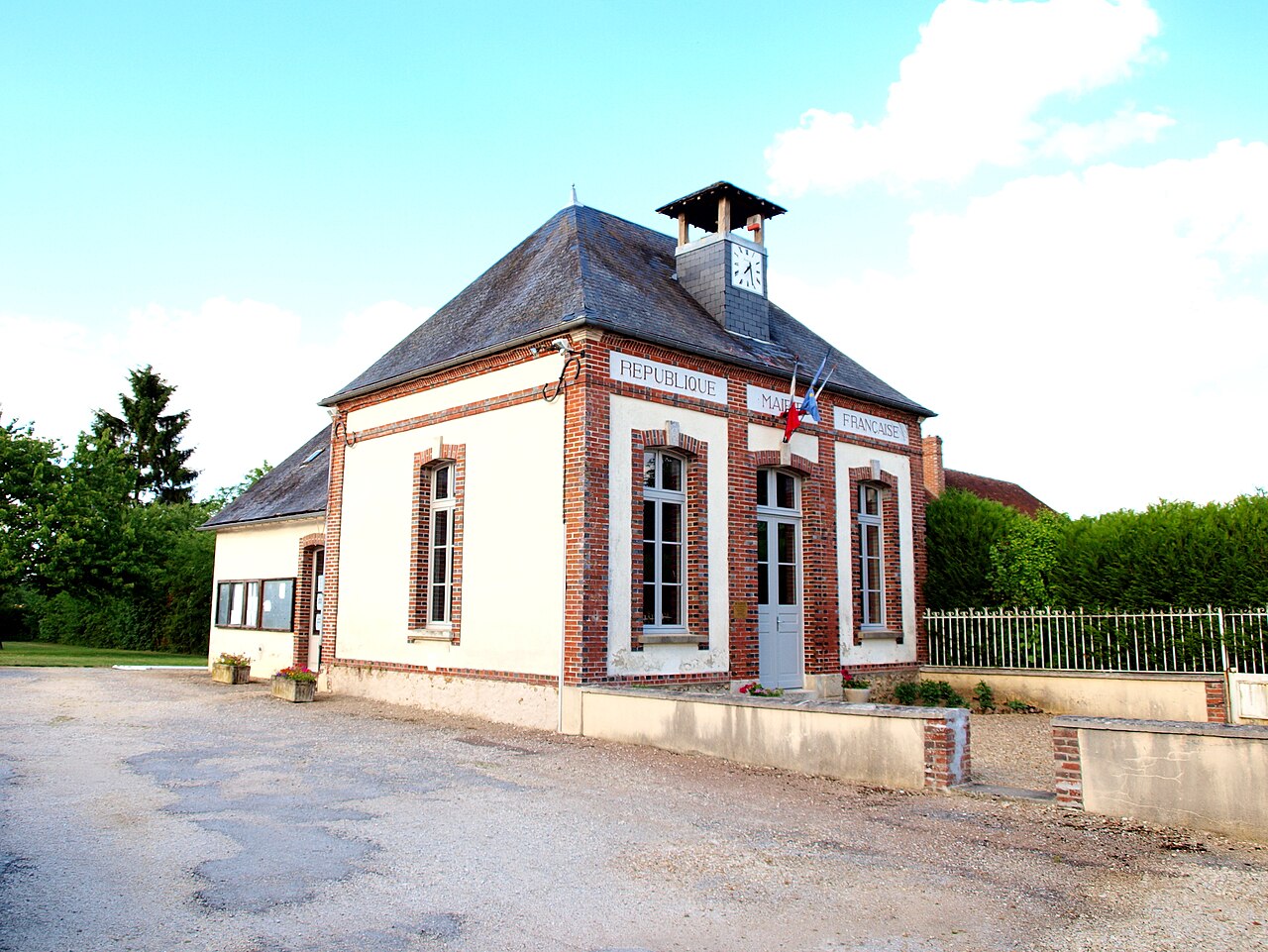
Geography and landscape
Prunoy lies in a gently rolling countryside typical of the Puisaye and central French plateaux, with a mixture of cultivated fields, pasture and small woodlands. Streams and small rivers cross the area and contribute to a patchwork of hedged fields and pockets of forest. The physical setting has shaped local land use patterns—small farms, scattered hamlets and a compact village center.
Administrative history
Historically administered as a commune, Prunoy served as the lowest level of local government with an elected municipal council responsible for local matters. On 1 January 2016 the commune was merged into the newly created Charny-Orée-de-Puisaye as part of a wider trend in France to encourage consolidation of small communes into communes nouvelles. This change transferred many administrative responsibilities, budgeting and municipal services to the new entity while preserving local identity as a delegated locality.
Economy and cultural heritage
The local economy has been dominated by agriculture and related rural activities: cereal crops, livestock and mixed farming typical of the region. Built heritage commonly found in villages like Prunoy includes a parish church, stone houses, barns and small communal facilities. Local traditions and seasonal events reflect rural community life even after administrative consolidation.
Practical implications and distinctions
- Governance: municipal services and representation are managed by Charny-Orée-de-Puisaye after the merger.
- Identity: Prunoy remains a named locality and may be referenced in cadastral records, postal addressing and cultural descriptions.
- Research: information on former communes is often preserved in departmental archives, local history publications and the records maintained by the new commune.
Further information
For administrative or historical inquiries consult local government sources and regional guides. The transition from commune to part of a commune nouvelle is an example of contemporary territorial reform in France and illustrates how small rural localities adapt to changing administrative frameworks while seeking to preserve local heritage and everyday life.
Related articles
Author
AlegsaOnline.com Prunoy — former commune in Yonne, central France Leandro Alegsa
URL: https://en.alegsaonline.com/art/79790
Sources
- insee.fr : INSEE