
Pripyat — abandoned city near Chernobyl and the Exclusion Zone
Pripyat is a permanently evacuated Soviet-era city near the Chernobyl Nuclear Power Plant. Founded for plant workers in the 1970s, it remains a preserved ruin within the Chernobyl Exclusion Zone.
Overview
Pripyat is a purpose-built Soviet town constructed to house workers of the nearby Chernobyl Nuclear Power Plant and their families. The settlement, known in Ukrainian as При́п'ять, lies in northern Ukraine, within Kyiv Oblast and close to the border with Belarus. Before the 1986 disaster it hosted tens of thousands of residents; after the accident it was evacuated and has remained largely uninhabited ever since. The site is often described as an emblematic abandoned city (abandoned city) of the late Soviet period.
Image gallery
10 Images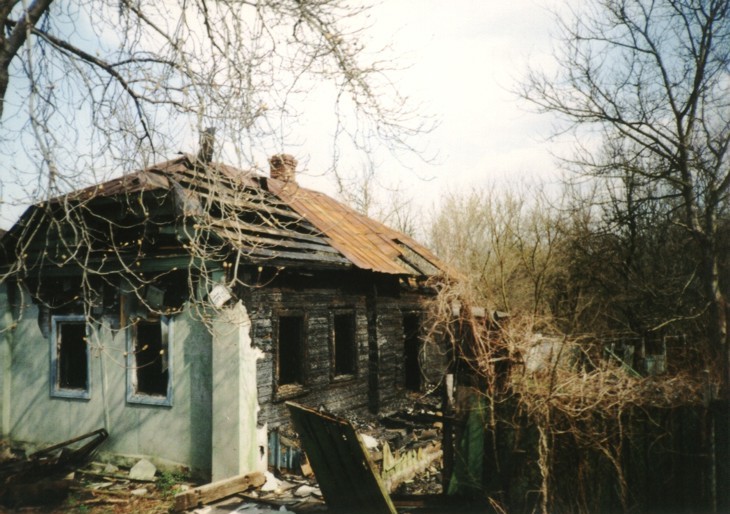
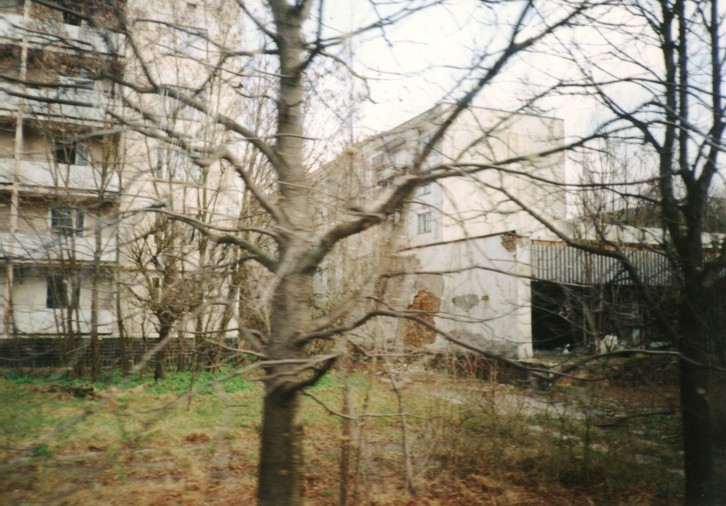
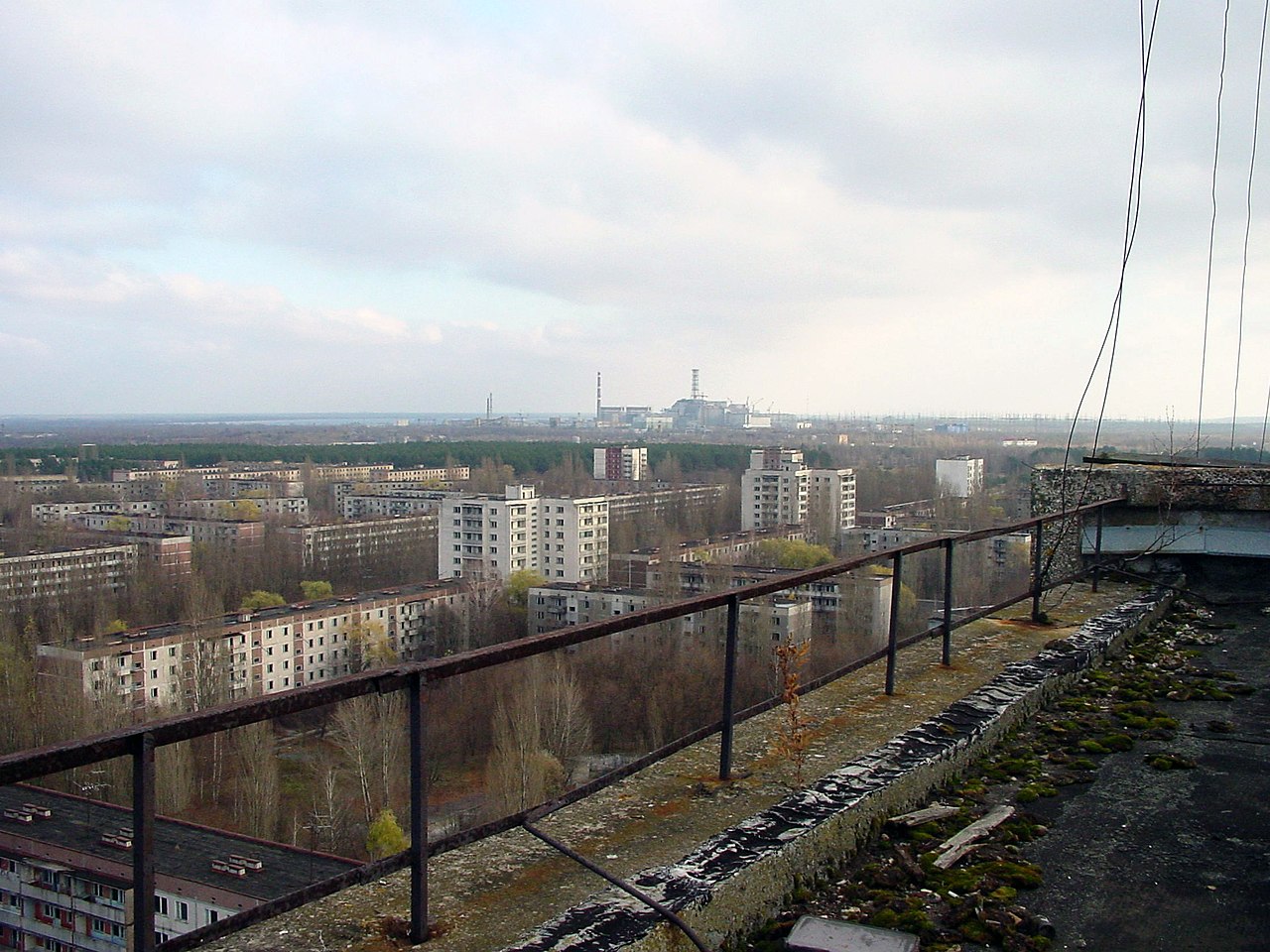





Layout and notable features
Designed in the 1970s for workers and their families, Pripyat included apartment blocks, schools, a hospital, shops, cultural buildings, a stadium and recreational facilities. Several apartment buildings were unfinished at the time of the evacuation. The urban fabric and interior contents — from personal records to children's toys — were left in place, producing a time-capsule effect that contributes to the town’s modern recognition.
History and evacuation
The city grew alongside the construction and operation of the Chernobyl plant in the 1970s (founding era). Following the reactor explosion on 26 April 1986, authorities organized a rapid evacuation. Residents were relocated to other parts of Ukraine and the Soviet Union. The radiological release from the accident has defined Pripyat's fate: parts of the surrounding landscape are subject to long-lived contamination by radioactive isotopes (radioactive elements), which makes long-term habitation unsafe in many areas.
Present day: access, safety and research
Pripyat sits inside the Chernobyl Exclusion Zone and is visited by scientists, emergency personnel and regulated tourists. Access is controlled; unauthorized entry is illegal in many cases. Visits are managed to minimize exposure and environmental disturbance. Observers are commonly advised to use radiation-measuring instruments such as a dosimeter (dosimeter) and to follow official guidance. While some roads and public spaces are relatively low in ambient radiation, certain buildings or hotspots remain hazardous.
Tourism, conservation and scientific importance
The town functions as an open-air archive of Soviet urban planning and daily life and has attracted documentary filmmakers, historians and urban explorers. Guided tours and supervised research visits examine both sociocultural and environmental effects of the accident. The site operates in a way that balances public interest, conservation of artifacts, and radiological safety; many areas are prohibited, while others are presented as part of a managed experience (museum-like visits).
Distinctive facts and context
- Pripyat is often cited as one of the most well-known examples of a modern ghost town created by a technological disaster.
- Although some radioactive isotopes decay over decades, others persist for centuries to millennia; this uneven decay is why parts of the zone remain restricted (radiological context).
- Entry and study are regulated: scientists, emergency workers and organized visitors use monitoring equipment and follow protocols to avoid unnecessary contamination and exposure (safety guidance).
For additional historical, geographic and administrative context one can consult regional resources and research institutions indicated by official portals and publications (language and name, country, oblast). General overviews and photographic records are widely available through curated exhibits and responsible media outlets; those seeking to learn more should rely on authoritative technical and archival sources (site classification, founding details, visitor programs).
Pripyat remains a potent reminder of the human, environmental and technological consequences of the Chernobyl accident, and it continues to be a focal point for study, remembrance and controlled visitation.
Questions and answers
Q: What is Pripyat?
A: Pripyat is an abandoned city in northern Ukraine that was home to Chernobyl nuclear power plant workers.
Q: When was the Chernobyl accident?
A: The Chernobyl accident occurred in 1986.
Q: How many people lived in Pripyat before it was abandoned?
A: Before being abandoned, about 48,000 people lived in Pripyat.
Q: Why was Pripyat abandoned?
A: Pripyat was abandoned after the Chernobyl accident, which was the worst nuclear reactor accident in history.
Q: When was Pripyat founded?
A: Pripyat was founded in the 1970s, when the nuclear power plant opened.
Q: Is Pripyat safe to visit?
A: Pripyat is relatively safe on the road, but it is still unsafe to go around the city without a radiation dosimeter that measures exposure. Many buildings have accumulated too much radioactive material to be safe to visit.
Q: How long will the radioactivity in Pripyat last?
A: The most dangerous radioactive elements in Pripyat will take up to nine hundred years to decay sufficiently to render the area safe.
Related articles
Author
AlegsaOnline.com Pripyat — abandoned city near Chernobyl and the Exclusion Zone Leandro Alegsa
URL: https://en.alegsaonline.com/art/79799