
Pucallpa: Amazonian city and regional capital in eastern Peru
Pucallpa is a major city on the Ucayali River in eastern Peru, serving as capital of the Ucayali Region and a commercial, cultural, and transportation hub for the Peruvian Amazon.

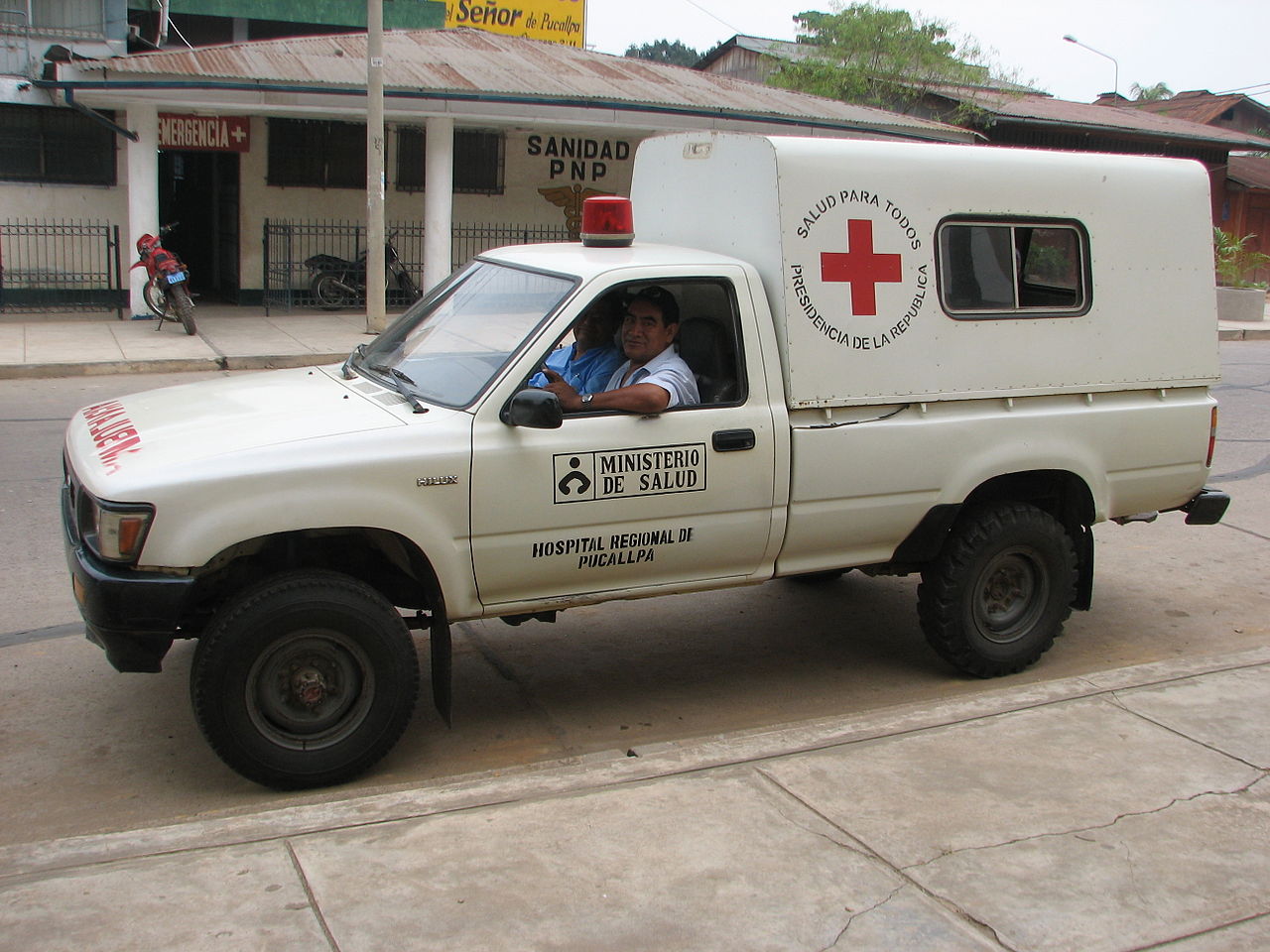
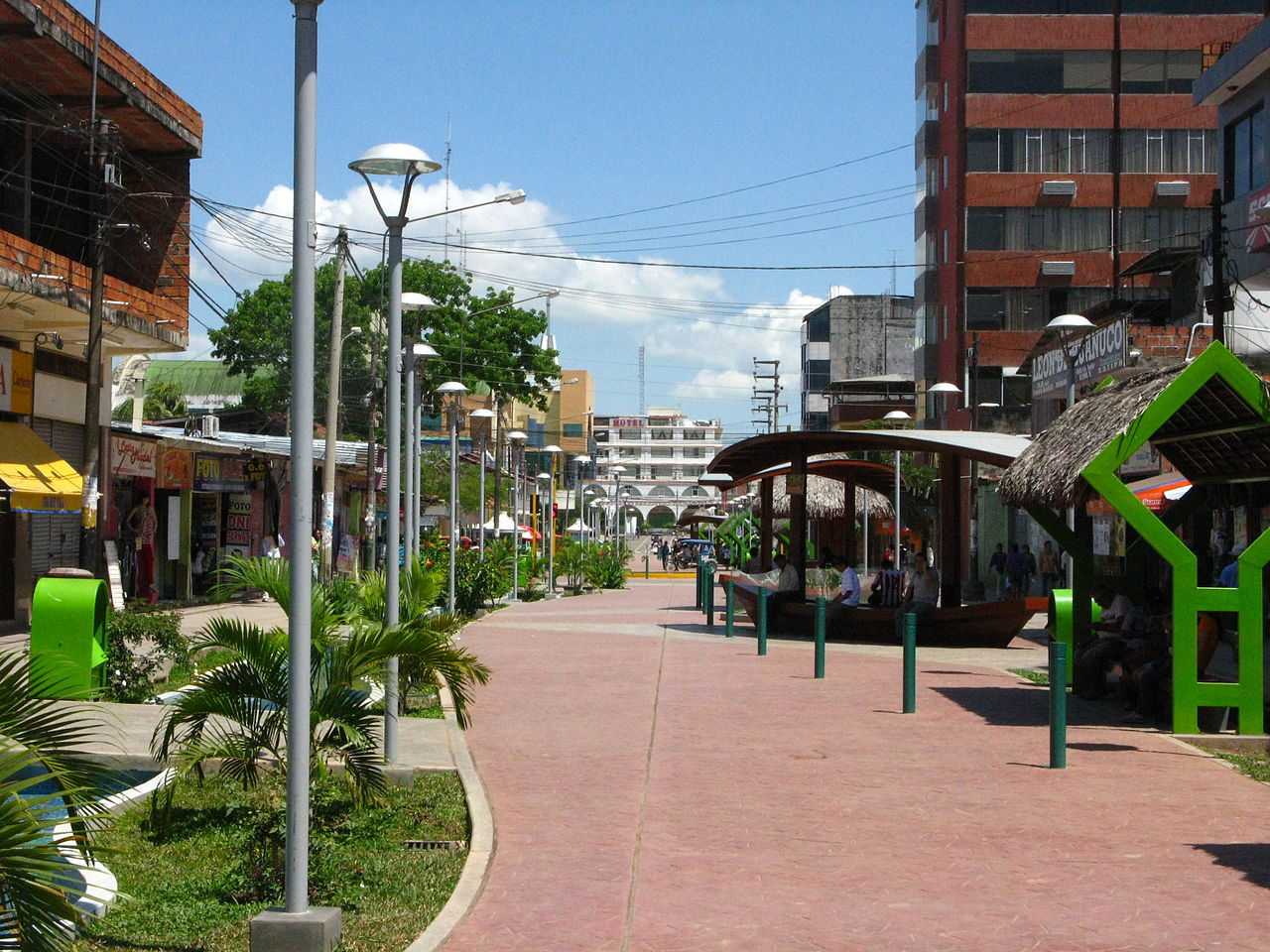
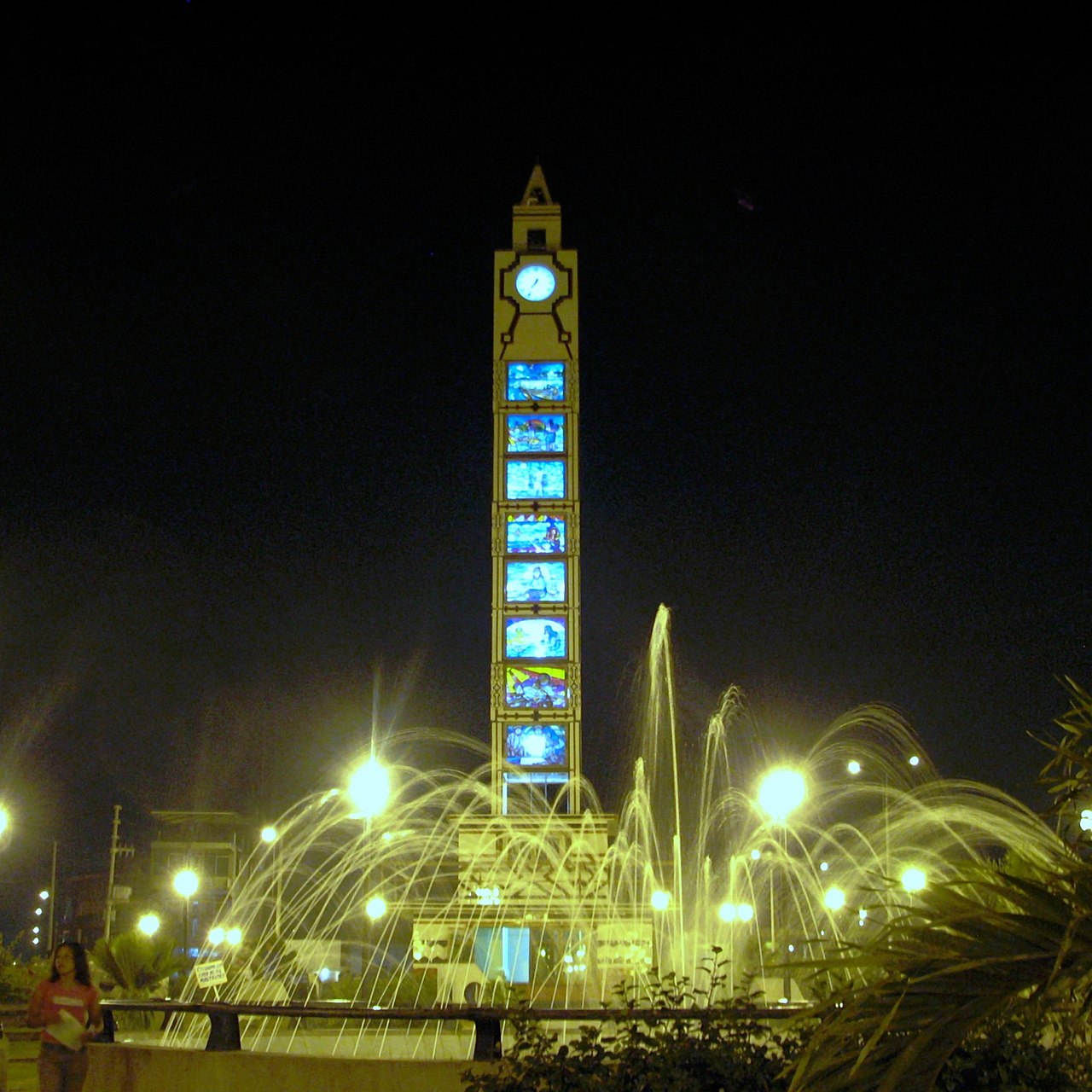
Pucallpa is a principal city in the Peruvian Amazon located on the banks of the Ucayali River. It functions as the administrative center of the Ucayali Region and as a commercial gateway to Peru's eastern rainforest. The city combines urban services with close ties to surrounding river communities and Indigenous peoples.
Image gallery
10 Images





Geography and climate
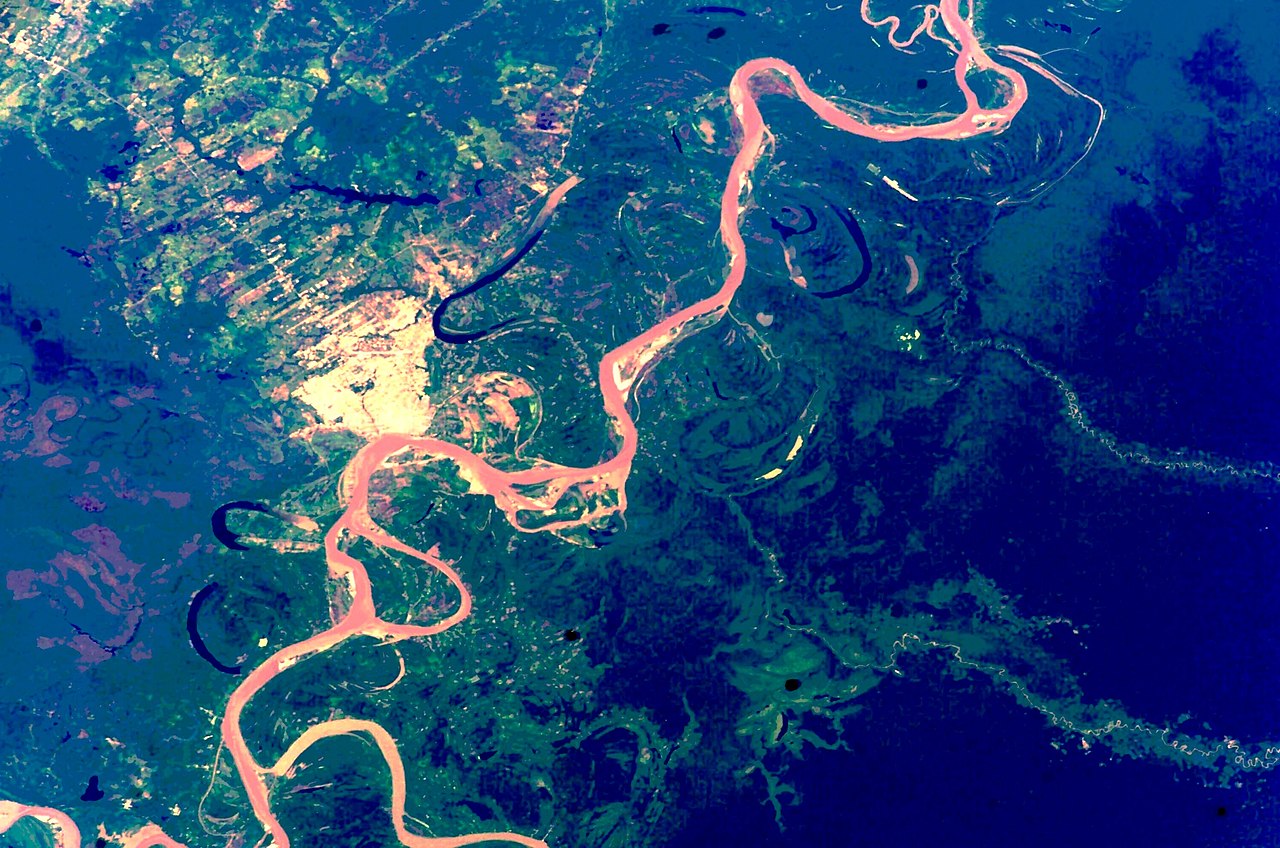
The urban area faces the broad Ucayali River, one of the Amazon basin's main waterways. Surrounding landscapes include lowland rainforest, seasonal floodplains and agricultural plots. Pucallpa has a humid tropical climate with high temperatures year-round and pronounced rainy seasons; river levels strongly influence transport and local livelihoods.
History and development
Pucallpa developed from riverine settlements and trading posts into a regional capital as river transport and extractive economies expanded. Migration from other parts of Peru increased the city's size and led to the establishment of administrative institutions, markets and social services that serve the wider Amazonian hinterland.
Economy and society
Key economic activities include river transport, commerce, agriculture, timber and services. Local markets sell produce, artisanal goods and materials for the Amazonian economy. Indigenous groups such as the Shipibo-Conibo have a visible cultural and economic presence, contributing traditional crafts, music and language to the city's identity.
Culture, tourism and research
Pucallpa hosts regional festivals, cultural centers and museums that preserve Amazonian traditions. Visitors often use the city as a base for river excursions, wildlife observation and cultural exchanges with nearby communities and lake areas. It also supports environmental research and outreach programs focused on rainforest management and community development.
Transportation and challenges

The city is accessible by river, road and air, linking interior Amazonian areas with coastal Peru and national markets. Its strategic location makes it important for logistics and regional services. Ongoing challenges include balancing economic growth with conservation, improving infrastructure and protecting Indigenous territories and biodiversity in the surrounding rainforest.
Related articles
Author
AlegsaOnline.com Pucallpa: Amazonian city and regional capital in eastern Peru Leandro Alegsa
URL: https://en.alegsaonline.com/art/79928