
Å — the Scandinavian letter A with a ring
Å is a distinct letter in several Nordic alphabets. It represents a rounded back vowel, evolved from Old Norse, and appears in Danish, Norwegian, Swedish and in Finnish names and loanwords.
Å (small å) is a single letter used in the alphabets of several Nordic languages rather than a simple accented form of A. It appears in Danish, Norwegian, Swedish and in Finnish contexts that involve Swedish names or loanwords (Finnish). Visually it is an A with a small ring above the letter: sometimes described as an "A with ring" or an A with a superscript circle (A with ring).
Image gallery
3 Images
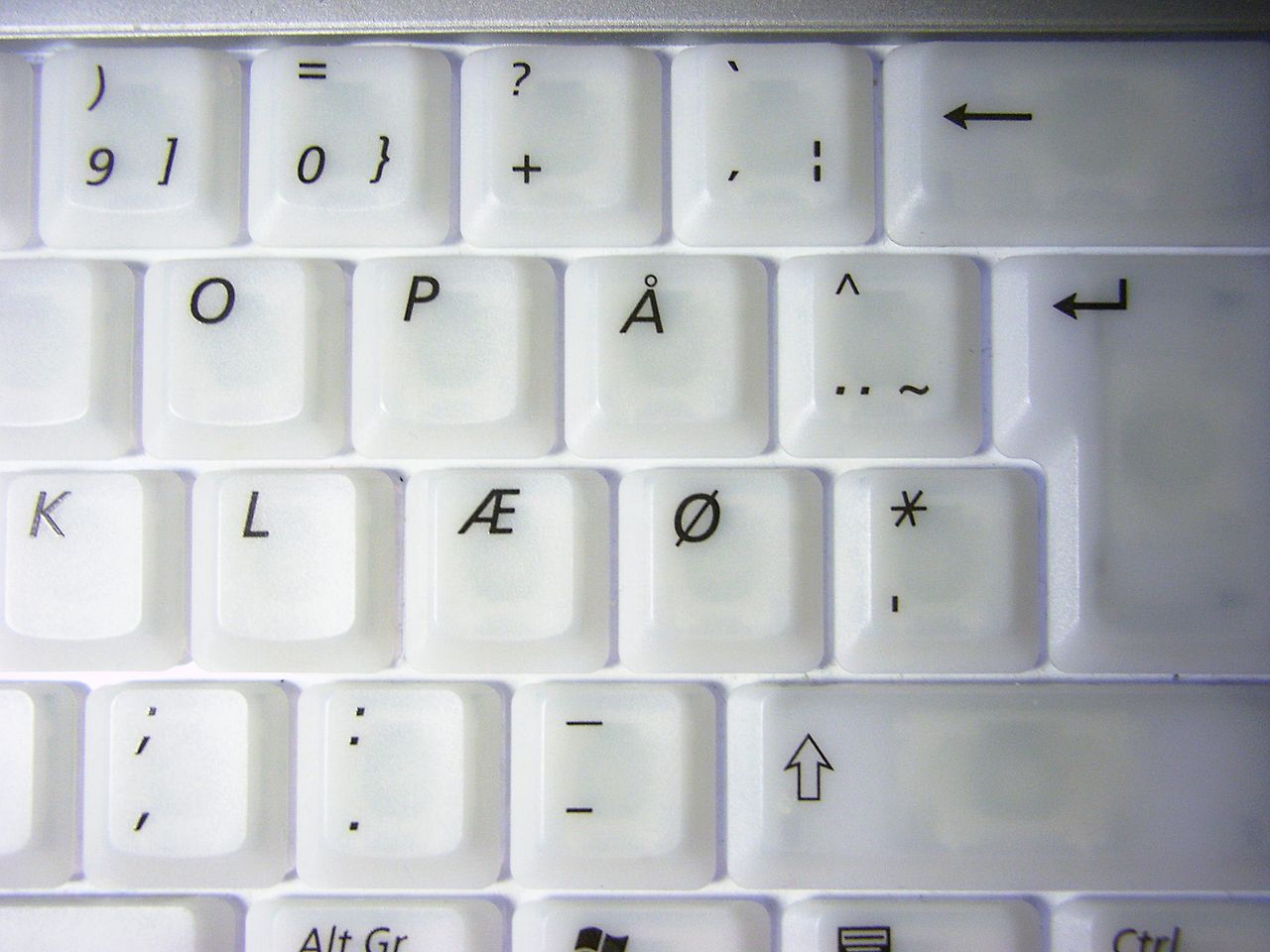

Characteristics and pronunciation
The letter represents a rounded back vowel, often transcribed /oː/ or /ɔː/ in phonetic notation, depending on the language and dialect. In everyday words it distinguishes meaning: for example, in Swedish the short word år means "year," while the single letter å is also the common word for a small river or stream. Typographically Å exists in both precomposed Unicode code points and as an A combined with a ring diacritic; this allows consistent display across fonts and systems.
History and orthographic adoption
The modern letter traces back to the Old Norse long vowel spelled with an accented Á; its current graphy developed when a small rounded mark (originally a superscript o or little circle) was placed over an A to indicate a changed vowel quality. During orthographic reforms in the early 20th century several Nordic languages replaced the digraph aa with Å in official spelling; Denmark made the change in its standardized spelling mid‑20th century while Norway adopted the form earlier in national reforms. However, the older aa spelling persists in some proper names and historical forms.
Usage, sorting and examples
Different languages position Å differently in their alphabets. In Danish and Norwegian alphabets it normally comes at the end (after Æ and Ø), while in Swedish it follows Z and precedes Ä and Ö. Finnish usage is limited: Å appears mainly in Swedish-origin names and in loanwords and is otherwise not used for native Finnish words.
Notable facts and distinctions
- Orthography: Older place names sometimes retain aa, but modern spelling uses Å in general texts.
- Encoding: There are both precomposed characters and combining sequences in Unicode to render Å reliably across devices.
- Origin reference: the vowel development is rooted in Old Norse phonology and medieval writing traditions (Old Norse background).
- Practical note: in international contexts the letter is often transliterated as "aa" or rendered as A when diacritics are unavailable, which can affect alphabetical sorting and name records.
For further language-specific information see resources on Danish, Norwegian, Swedish and Finnish orthographies and typographic guides to the A with ring.
Related articles
Author
AlegsaOnline.com Å — the Scandinavian letter A with a ring Leandro Alegsa
URL: https://en.alegsaonline.com/art/7973