
Bashkir language
A Turkic language of the Ural–Volga region, Bashkir is spoken primarily in Bashkortostan and neighboring areas; it has rich agglutinative grammar, a history of multiple script reforms, and growing cultural revival efforts.

Image gallery
4 Images


Features and structure
Bashkir displays typical Turkic structural patterns: suffixing for grammatical relations, no grammatical gender, and flexible word order with a tendency toward subject–object–verb (SOV). Notable linguistic features include:
- Vowel harmony affecting the choice of suffixes and shaping phonological alternations.
- An agglutinative system in which case, possession and tense are marked by chains of suffixes rather than separate words.
- A sound inventory with distinctions important for meaning and dialectal variation across regions.
Dialects and distribution
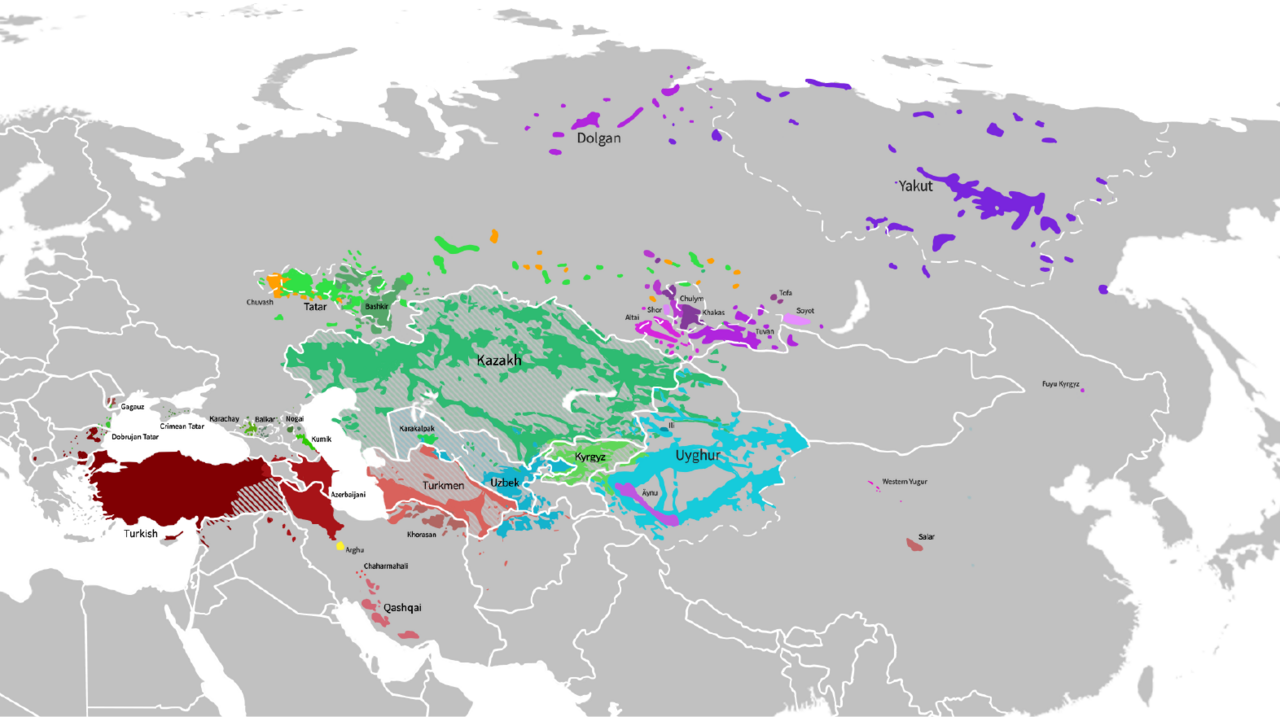
The language is spoken mainly in the Russian republic of Bashkortostan and in adjacent areas. Significant Bashkir-speaking communities can be found in parts of Bashkortostan, Tatarstan, Perm Krai, and in oblasts such as Chelyabinsk and others across the southern Urals and Volga region. Linguists commonly group varieties into several dialect clusters (often labeled southern, central and northwestern or eastern), which differ in phonetics and some lexical items but remain mutually intelligible to varying degrees.
History and writing
Bashkir evolved in the contact zone between Turkic, Mongolic and various Uralic languages. Historically it was written with the Arabic script before the 20th century. During the Soviet period the writing system underwent reforms: a Latin-based alphabet was introduced in the 1920s and later replaced by a Cyrillic alphabet, which remains the official script today. The literary standard was developed in the 20th century to support education and print culture.
Contemporary use and challenges
In modern times Bashkir coexists with Russian; many speakers are bilingual. The language is taught in schools in Bashkortostan, appears in regional broadcasting and is used in cultural and literary life. Like many regional languages, Bashkir faces pressures from dominant languages, leading to policy debates and community efforts aimed at maintenance and revitalization. Academic study and grassroots programs both contribute to documenting dialects and promoting intergenerational transmission of the language.
Further reading and resources on Bashkir language, its grammar and social context can be found through linguistic surveys and regional cultural organizations. Educational materials and language courses are available for learners and researchers interested in Turkic languages.
Related articles
Author
AlegsaOnline.com Bashkir language Leandro Alegsa
URL: https://en.alegsaonline.com/art/9223