
Propulsion tools and methods for land, water, air, and space movement
Overview of devices and techniques that produce motion — wheels, oars, sails, propellers, jets — explaining principles, history, parts, uses, and notable distinctions.
Propulsion refers to the methods and devices that generate a force to produce motion. A simple way to express this is by applying force to create movement. Propulsion tools convert stored or supplied energy into directed mechanical effort, whether by contact (push or pull) or by reaction (expelling mass or redirecting a fluid).
Image gallery
6 Images
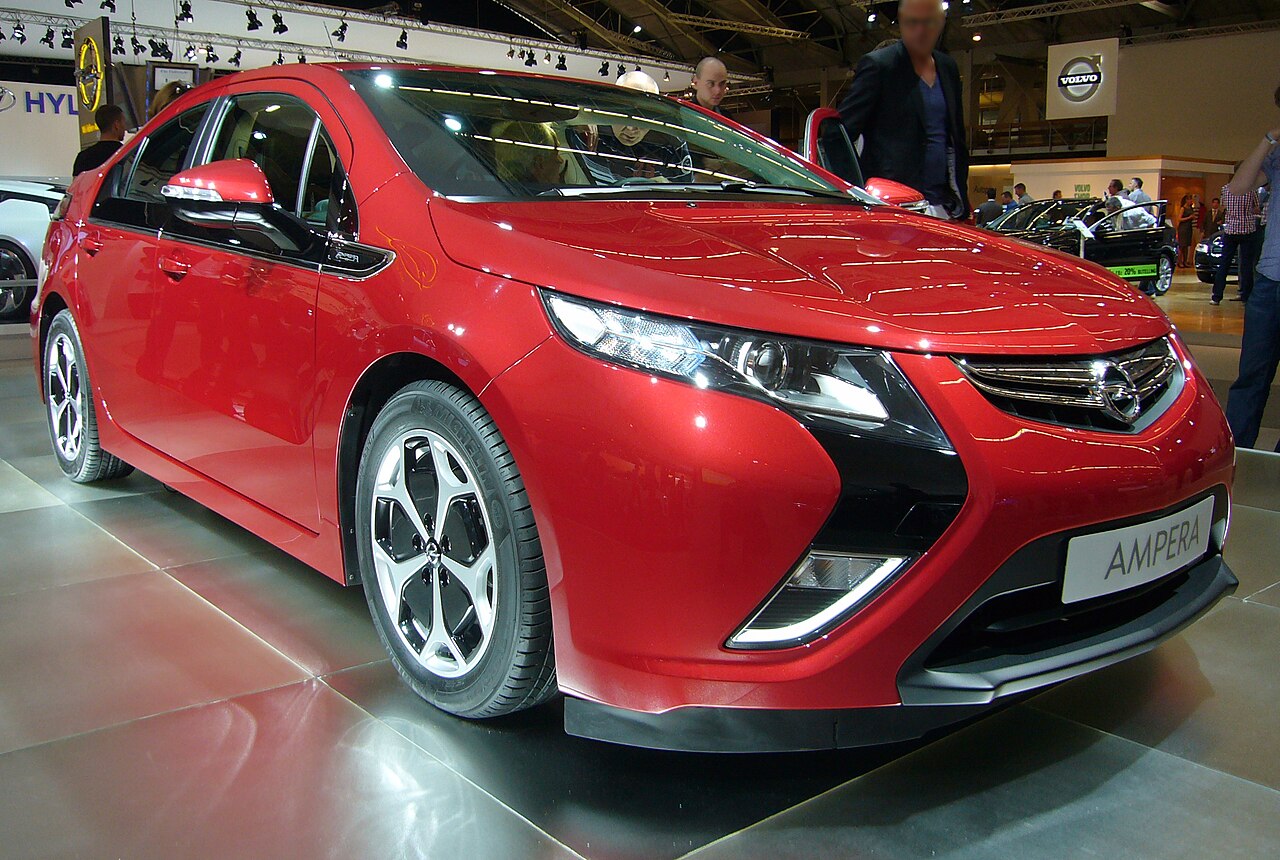

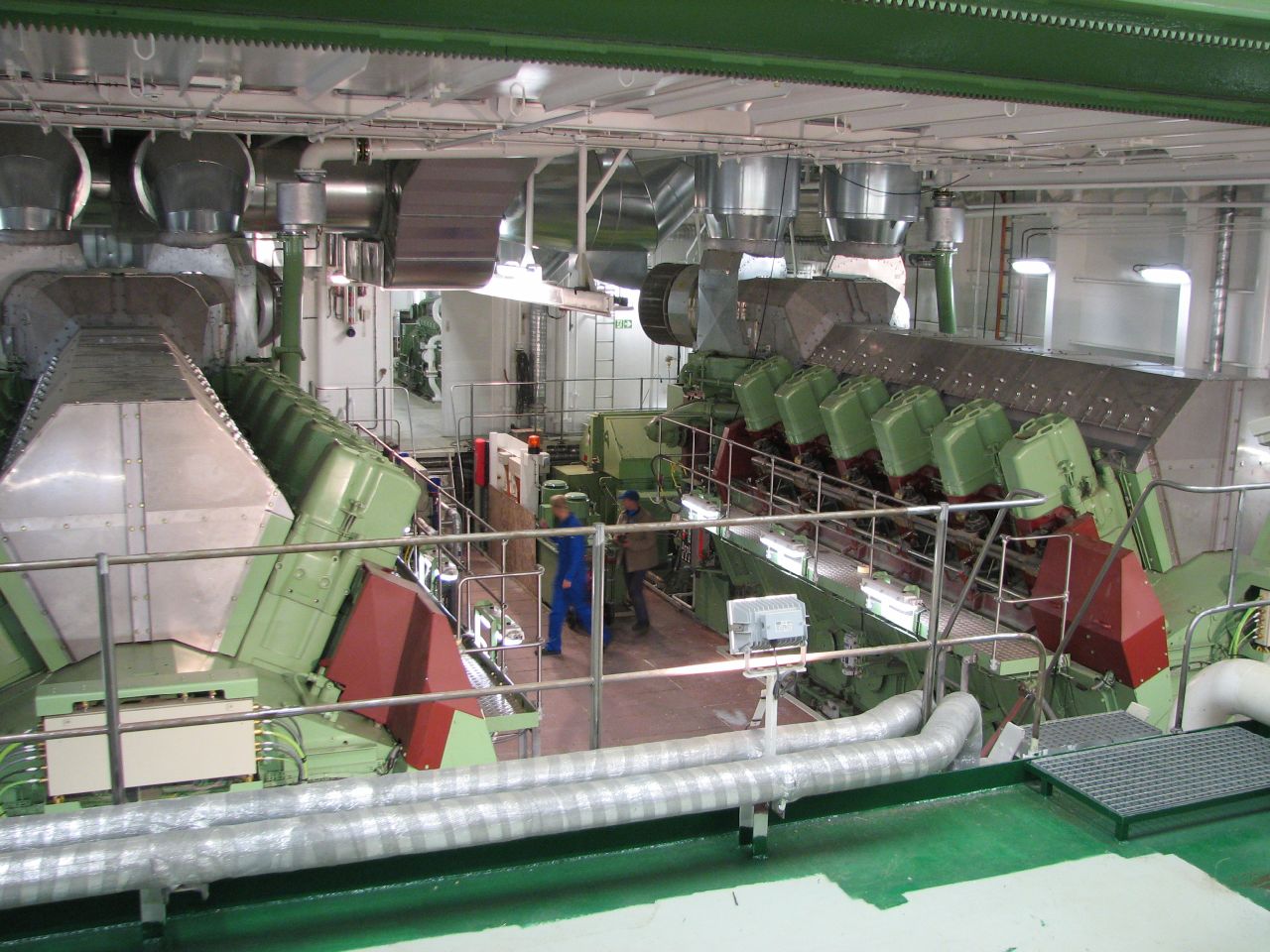


Categories and early history
Different environments led to different tools. For moving across land, the invention of the wheel was transformative, enabling vehicles and rotary machines. In water, people adapted human and wind power into poles and paddles before developing sails and sophisticated blades. In air, experimentation with propellers and powered jets followed from advances in engines and aerodynamics. Over time chemical, electrical and thermal energy sources replaced purely human or animal input.
Water propulsion
Watercraft propulsion evolved from simple implements to engineered systems. Early methods included the pole for shallow water, the paddle and the oar for small craft, and the sail for harnessing wind on larger vessels. Today most powered vessels use rotating propellers driven by engines, while sails remain practical for leisure, sport and fuel-saving commercial use and were historically central to large sailing ships.
Air and reaction propulsion
Airborne propulsion divides roughly into rotating-element systems and reaction engines. Propellers and fans move air to generate thrust and are effective at lower speeds; a propeller is essentially an airfoil in rotation and is also described as a propeller in marine contexts. High-speed flight relies on turbine-based or rocket systems; the modern turbine and jet engine accelerate air or exhaust to produce thrust. Experimental approaches have included ramjets, pulse detonation engines and electric ducted fans.
Components and principles
Common elements of propulsion tools include an energy source (muscle, fuel, battery), a mechanism to convert energy (engines, motors, sails), and an interface that applies force to the environment (wheels, blades, propellers, nozzles). Key physical concepts are thrust, torque, lift, drag and efficiency. Designers balance power, weight, control, durability and environmental impact.
Uses, distinctions and trends
Propulsion tools enable transport, industry, recreation and exploration. Distinctions are often environmental: contact-driven devices (wheels, tracks) perform well on solid surfaces, fluid-interaction devices (oars, propellers, sails) suit water and air, and reaction engines suit high-speed or space travel. Contemporary trends emphasize electrification, fuel efficiency and reduced emissions, as well as hybrid systems that combine sails or rotors with engines to lower fuel use.
- Examples: axle and wheel assemblies, paddle-driven boats, marine propellers, aircraft propellers, jet engines.
- Design considerations: medium, speed regime, energy source, efficiency, control.
For more detailed technical or historical resources, see linked entries and specialist literature. Force, motion, and individual device types such as wheels, poles, paddles, oars, sails, propellers, ships and jet engines are common starting points for deeper study.
Related articles
Author
AlegsaOnline.com Propulsion tools and methods for land, water, air, and space movement Leandro Alegsa
URL: https://en.alegsaonline.com/art/79470